
The service life of plywood depends on its grade, treatment, installation, and environmental exposure. Under the right conditions, plywood can last for decades, while in poor conditions, it can fail in weeks.
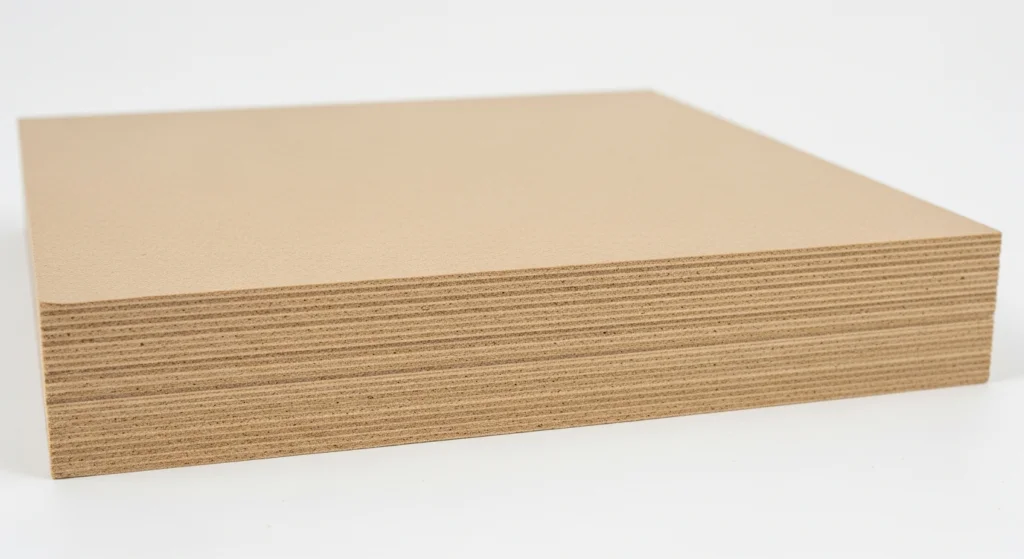
Plywood can last 15–40 years indoors, 1–8 years outdoors untreated, and over 50 years when sealed, protected, or used in dry, controlled environments.
The lifespan of plywood is not fixed—it is influenced by material quality and how well it is protected. Interior panels in climate-controlled buildings last much longer than those exposed to sun, rain, or ground contact. Treatments and coatings can extend durability significantly.
What factors affect plywood lifespan?
Plywood durability is affected by humidity, UV exposure, temperature swings, and whether protective coatings or sealers are applied.
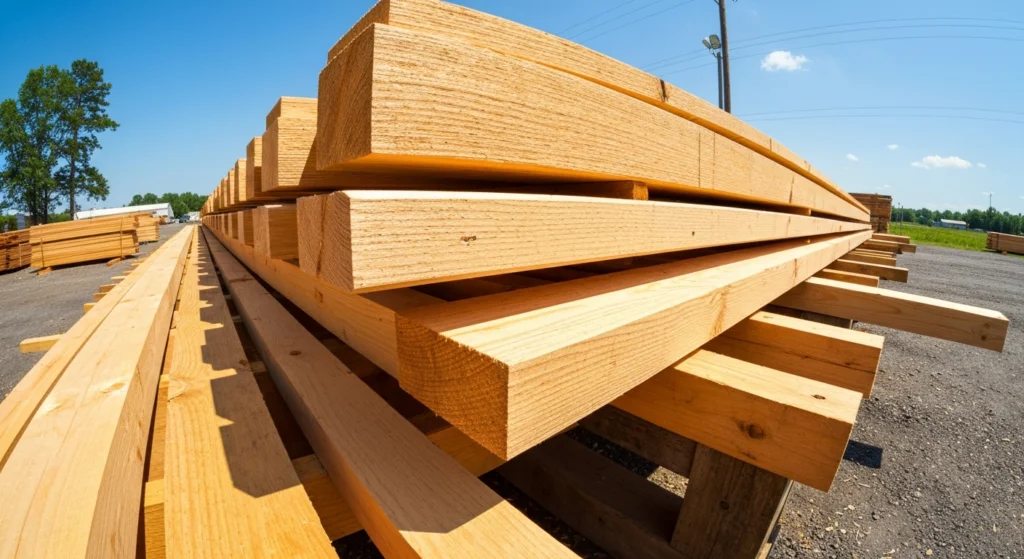
Moisture, exposure to sunlight, and lack of edge sealing are the main causes of plywood failure over time.
Unsealed edges absorb water rapidly. Repeated wetting and drying causes warping, delamination, and mold growth. UV rays degrade outer veneers, making them brittle. High temperatures expand and contract the panel, breaking adhesive bonds. Protection methods like paint, stain, edge banding, or installation under shelter all help prolong the panel’s effective life.
How long does plywood last indoors?
Plywood used indoors is typically shielded from water, direct sunlight, and extreme temperature changes.
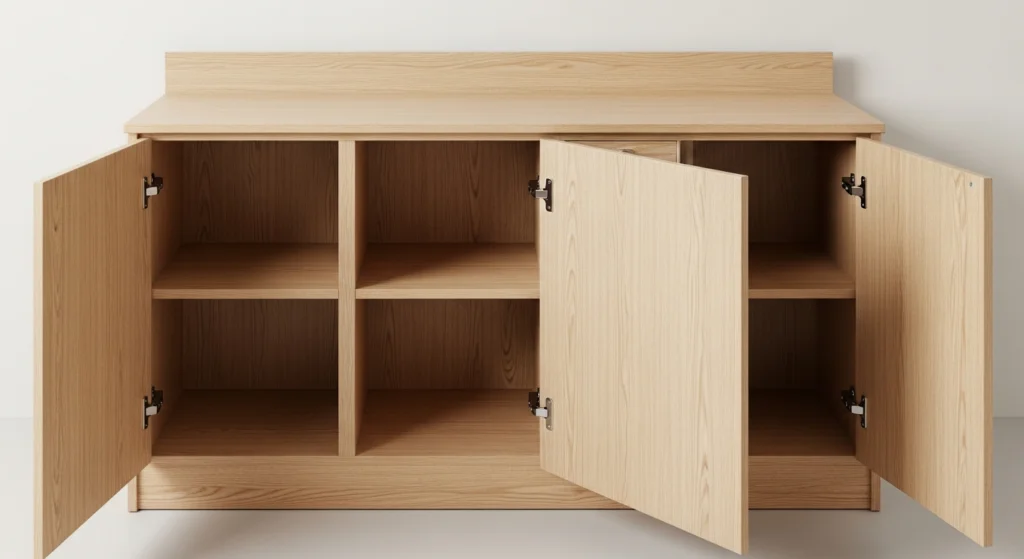
Indoors, plywood can last 20–40 years or more if kept dry and installed in low-stress environments.
Interior plywood used in cabinetry, flooring underlayment, wall paneling, and furniture can retain strength and shape for decades. As long as it’s not exposed to leaks, condensation, or heavy impact, the internal glue lines and surface veneers stay intact. Engineered panel cores contribute to long-term dimensional stability. In HVAC-controlled buildings, plywood may even exceed 50 years of functional lifespan.
How long does plywood last outside without treatment?
Exterior exposure without treatment rapidly reduces lifespan, especially in wet or humid climates.
Untreated plywood left outdoors typically lasts 1–3 years in moderate conditions, but only weeks to months in tropical or wet environments.
Rain, dew, and high humidity saturate plywood surfaces. UV radiation speeds up breakdown of the wood fibers. In ground-contact situations or stagnant air zones, fungal decay sets in quickly. Panels begin to swell, split, or rot within the first year unless protected. Direct exposure to soil or water can reduce usable life to under 6 months.
How long does marine or treated plywood last?
Treated plywood or marine-grade plywood is designed to resist rot, water, and biological attack.
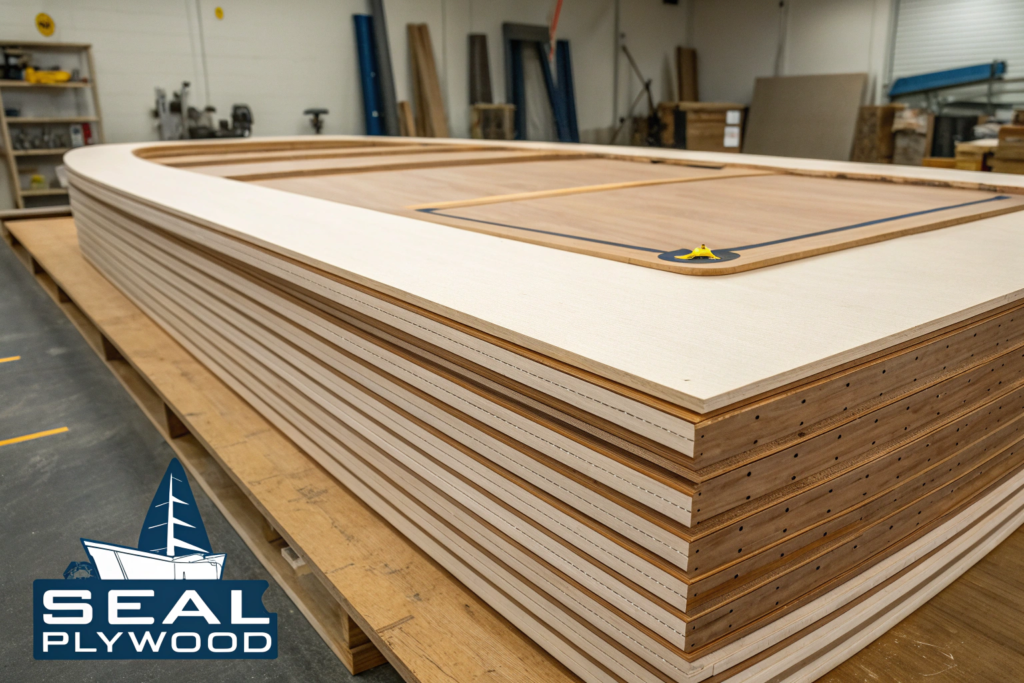
Properly sealed or marine-grade plywood can last 20–50 years in outdoor or high-moisture environments with periodic maintenance.
Marine plywood uses waterproof adhesives, void-free cores, and high-density face veneers. When sealed with epoxy and UV-resistant coatings, it resists constant wetting, salt exposure, and temperature change. Similarly, pressure-treated plywood can be used for decks, sheds, and subfloors if sealed after cutting. Maintenance—such as re-sealing, elevating panels, and keeping drainage clear—extends usable life.
How can plywood lifespan be extended?
Protection and maintenance directly influence longevity. Even low-grade panels last longer with simple precautions.
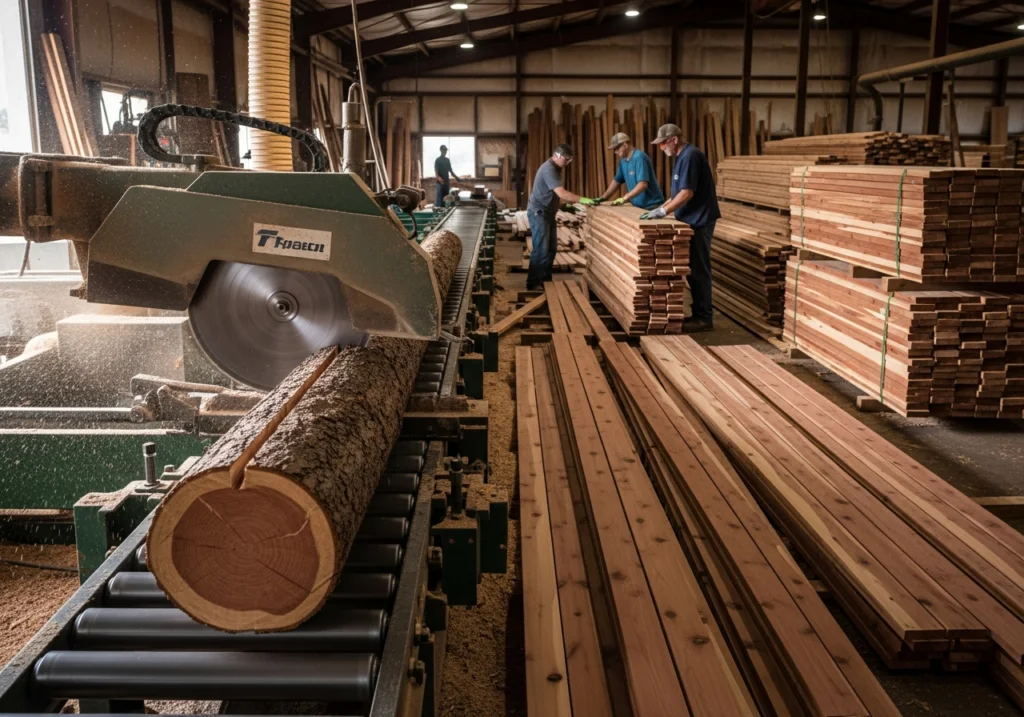
To extend plywood lifespan, seal edges, apply UV-blocking finishes, elevate off-ground, and keep panels dry and well-ventilated.
| Practice | Effect |
|---|---|
| Edge sealing | Prevents water absorption and delamination |
| Waterproof coatings | Blocks moisture and resists UV degradation |
| Raised installation | Avoids ground moisture and pooling water |
| Regular inspection | Catches damage early before failure |
| Controlled indoor storage | Eliminates exposure to decay agents |
Construction details such as overhangs, drainage gaps, or flashing also help. Using thicker plywood and choosing exterior-rated grades increase resilience. Avoiding long-term sunlight and standing water are key to retaining structural and aesthetic quality.
Conclusion
Plywood lifespan ranges widely, from a few months outdoors untreated to over 50 years in protected, dry indoor settings. Its longevity depends on grade, exposure, and maintenance. Proper sealing, smart installation, and regular care dramatically improve performance. When protected correctly, plywood remains a strong, stable, and cost-effective building material for both structural and decorative use across decades.