
Cutting plywood cleanly and efficiently with a circular saw depends heavily on selecting the right blade. Plywood’s layered structure and surface veneers are susceptible to tear‑out, chipping, and rough edges when the wrong blade is used. Choosing the appropriate blade profile, tooth geometry, and material improves cut quality, reduces defects, and enhances overall productivity.
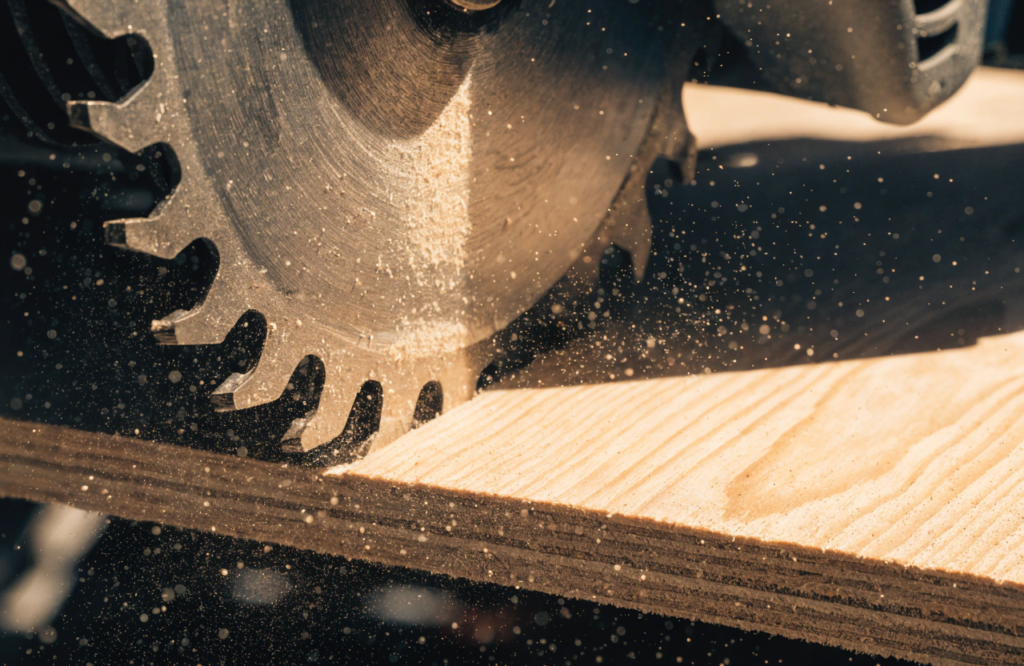
The best blade for cutting plywood with a circular saw is a high‑tooth‑count carbide‑tipped blade with an alternate top bevel (ATB) or combination grind geometry. These blades deliver smooth edges, minimize splintering, and hold up well against the resin and fibers in plywood.
In industrial settings, blade choice and maintenance are integral to production workflows, with automated saw lines and blade monitoring systems ensuring consistent performance across all cuts.
Why Blade Choice Matters for Plywood
Plywood consists of multiple veneer layers bonded together with adhesives. When cutting, individual veneers can tear or chip if the blade’s teeth do not cleanly sever fibers.
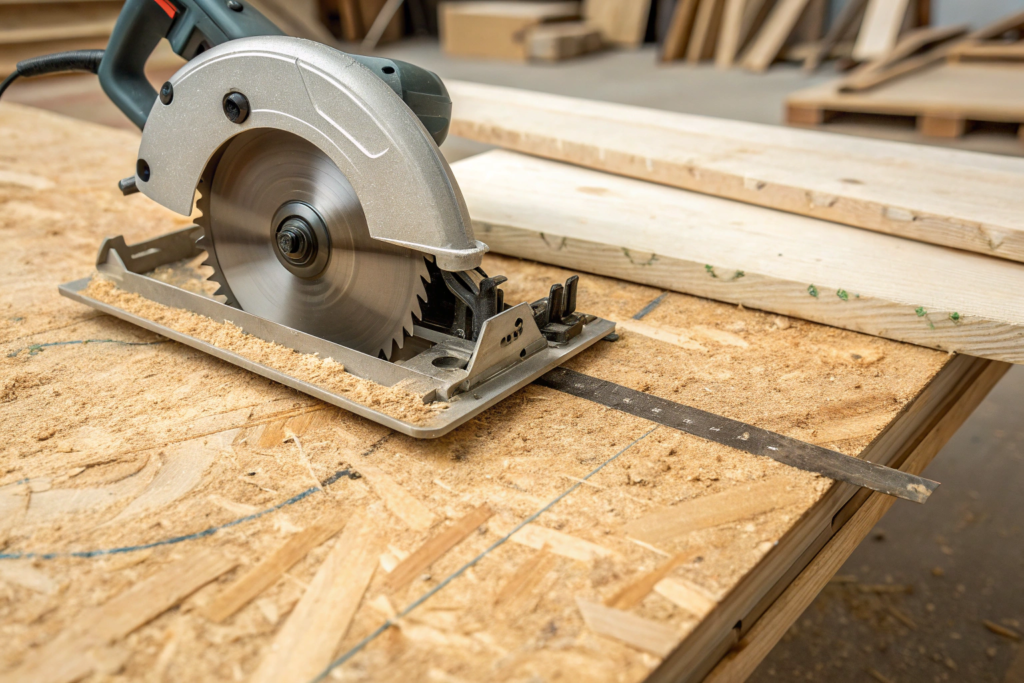
A well‑designed blade with appropriate tooth geometry and material composition produces cleaner cuts, reduces edge splintering, and extends blade life.
| Cutting Problem | Cause | Blade Solution |
|---|---|---|
| Tear‑out | Fibers lifting due to poor tooth design | High tooth count, ATB geometry |
| Burning | Blade drag or incorrect feed rate | Sharp carbide tips |
| Rough Edges | Low tooth count | Fine‑tooth blades |
Factories specify blades not only for edge quality but also for longevity and minimal maintenance downtime.
What Blade Tooth Count Is Ideal?
To achieve smooth, tear‑free cuts on plywood, tooth count is a primary factor. A higher number of teeth reduces the size of each chip taken, resulting in finer edges.
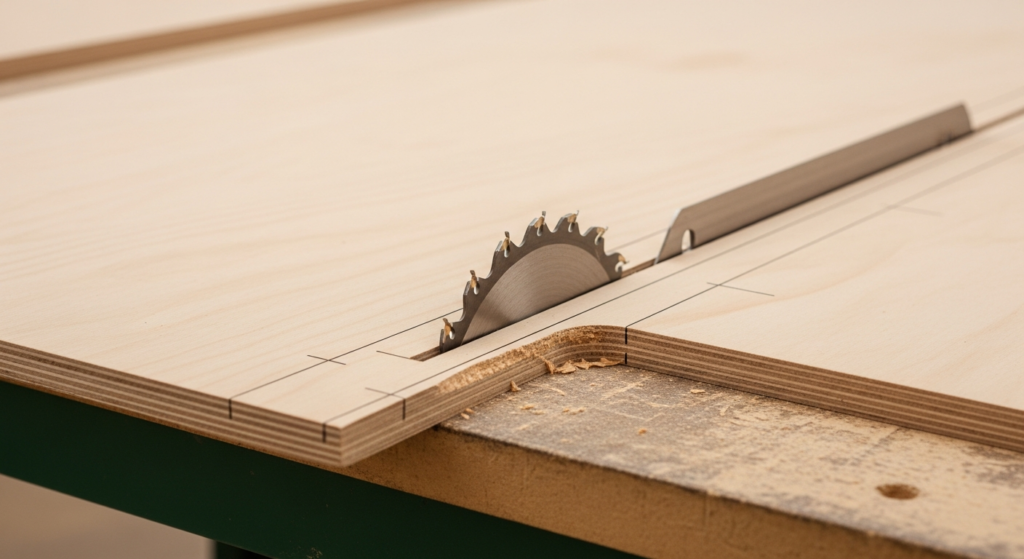
Blades with 60 to 80 teeth are commonly recommended for plywood cutting on a standard circular saw.
| Tooth Count Range | Best Performance |
|---|---|
| 40–50 teeth | Fast cuts but rougher edges |
| 60–80 teeth | Smooth cuts with minimal splintering |
| 80+ teeth | Ultra‑smooth finish, slower feed recommended |
In production environments, CNC and panel saws often utilize 60–80 tooth blades to balance speed and finish quality.
Why Carbide‑Tipped Blades Are Preferred
Carbide‑tipped blades are a standard choice for plywood due to their durability and resistance to wear. The carbide material remains sharp longer and withstands the abrasion caused by resin and glue in plywood.
Carbide‑tipped blades maintain sharpness through many cuts, reducing the need for frequent replacements and minimizing downtime.
| Blade Material | Performance Feature |
|---|---|
| Carbide‑Tipped | Long life, resists heat and resin buildup |
| High‑Speed Steel | Lower cost but wears quickly |
| Diamond‑Grit Edges | Specialized, long life but more expensive |
In industrial cutting lines, carbide tips combined with automated cleaning routines ensure consistent edge quality over long runs.
What Tooth Geometry Works Best?
Tooth geometry influences how the blade interacts with wood fibers. The most effective tooth configurations for plywood include Alternate Top Bevel (ATB) and Triple Chip Grind (TCG), each with benefits depending on cut type.
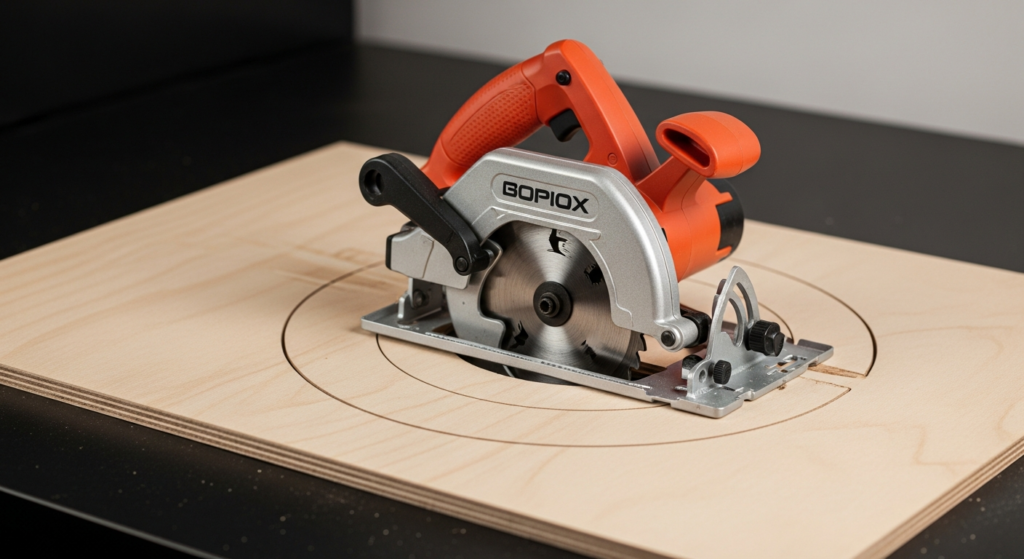
ATB blades excel in crosscuts and clean edges, while TCG blades are more robust for ripping and industrial applications.
| Tooth Geometry | Best Use Case |
|---|---|
| ATB | Smooth crosscuts, minimal splintering |
| TCG | Ripping, repeated industrial cuts |
| Combination | Balanced performance for general cutting |
Production saws often use TCG in high‑speed modes to further reduce wear and maintain straightness under load.
How Does Blade Maintenance Affect Performance?
Even the best blade will underperform if not properly maintained. Regular cleaning, sharpening, and inspection are indispensable.
Residue from adhesive and wood resin builds up rapidly on saw blades cutting plywood; keeping blades clean preserves cut quality and extends blade life.
| Maintenance Practice | Benefit |
|---|---|
| Cleaning after Use | Removes resin buildup |
| Sharpening as Needed | Maintains edge sharpness |
| Checking for Damage | Prevents rough cuts and safety issues |
In manufacturing operations, blade cleaning stations and scheduled maintenance help sustain production quality and reduce the frequency of blade replacement.
What Are the Best Blades for Specific Production Needs?
In high‑volume settings, blade selection may vary depending on cut type and throughput requirements.
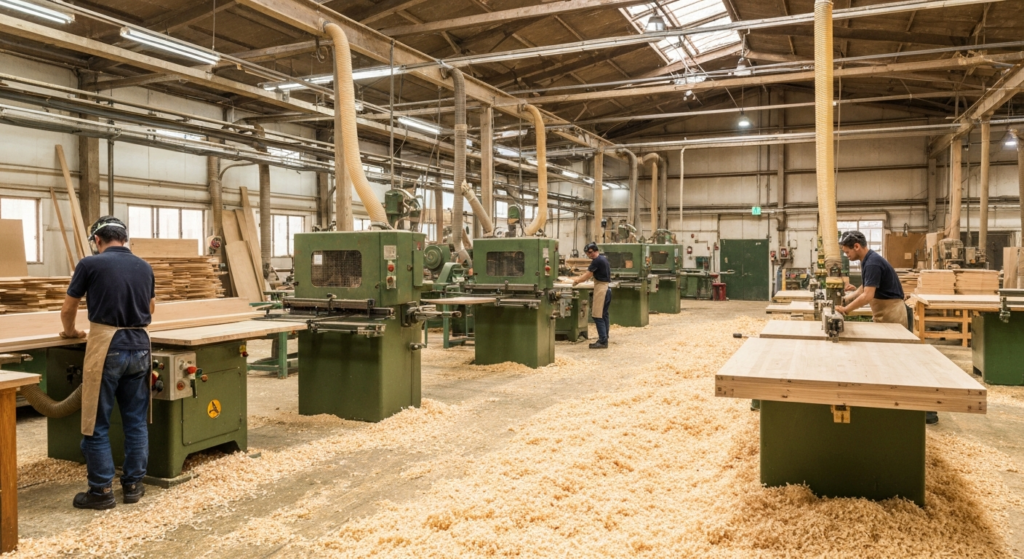
Dedicated production blades include combination blades for mixed cutting, fine finish blades for cabinetry parts, and heavy‑duty blades for thick panels.
| Application | Blade Recommendation |
|---|---|
| General Panel Sizing | 60–80 Tooth ATB Carbide Blade |
| Cabinet and Finish Panels | Higher tooth count, fine‑finish blade |
| Thick Panel Ripping | TCG Carbide Blade |
Factories integrate blade choice into process standards, optimizing feed rates and cutting paths for each blade type.
Conclusion
Selecting the best blade for a circular saw when cutting plywood significantly impacts cut quality, productivity, and tool longevity. Carbide‑tipped blades with high tooth counts and appropriate tooth geometry, such as ATB or TCG, provide the smoothest results and longest service life. Maintaining blade sharpness and cleanliness further enhances performance. In industrial production environments, blade selection is integrated with machine setup, feed rates, and quality control to ensure consistency and efficiency at scale. Choosing the right blade for the specific cutting context leads to superior edge finish, reduced material waste, and improved overall efficiency.