
Sheathing plywood is an essential component in construction, used for walls, roofs, and floors. While it offers strength and stability, several common issues can arise during installation or over time, which can compromise its performance. Understanding these problems is crucial for ensuring long-term durability and structural integrity.
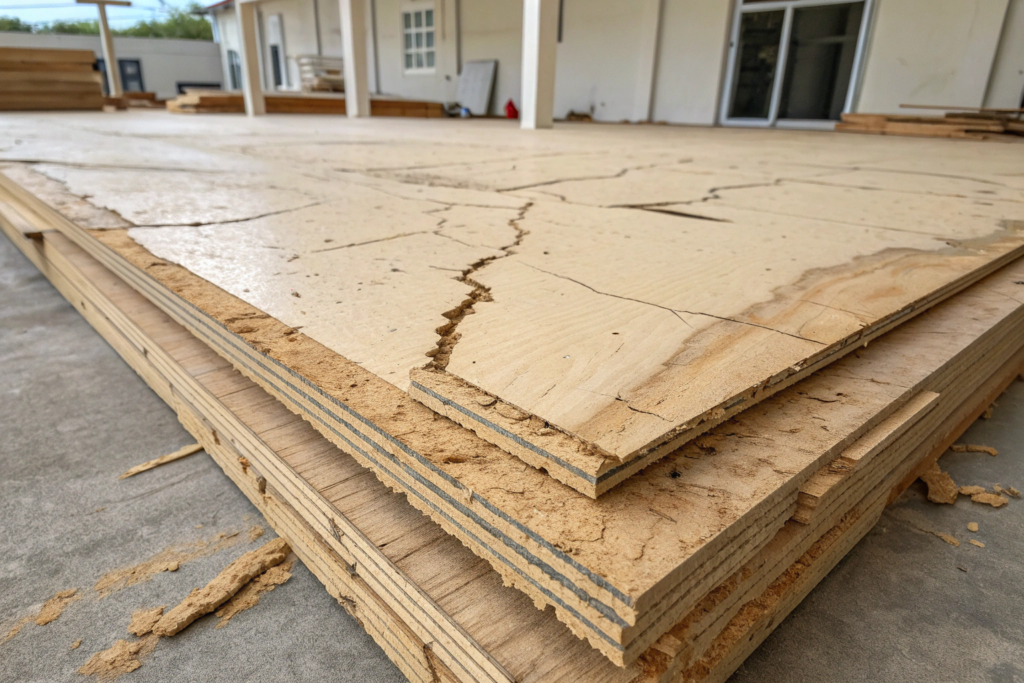
Common problems with sheathing plywood include warping, delamination, moisture damage, edge swelling, and fastener withdrawal. These issues can often be mitigated through proper handling, storage, and installation practices.
In manufacturing environments, controlling these variables during production is vital for creating high-quality sheathing plywood that can withstand the conditions it will face during its service life.
What Causes Warping in Plywood Sheathing?
Warping occurs when plywood becomes unevenly exposed to moisture or temperature changes. This can cause the sheet to bow, twist, or cup, affecting its ability to sit flush and create a stable surface.
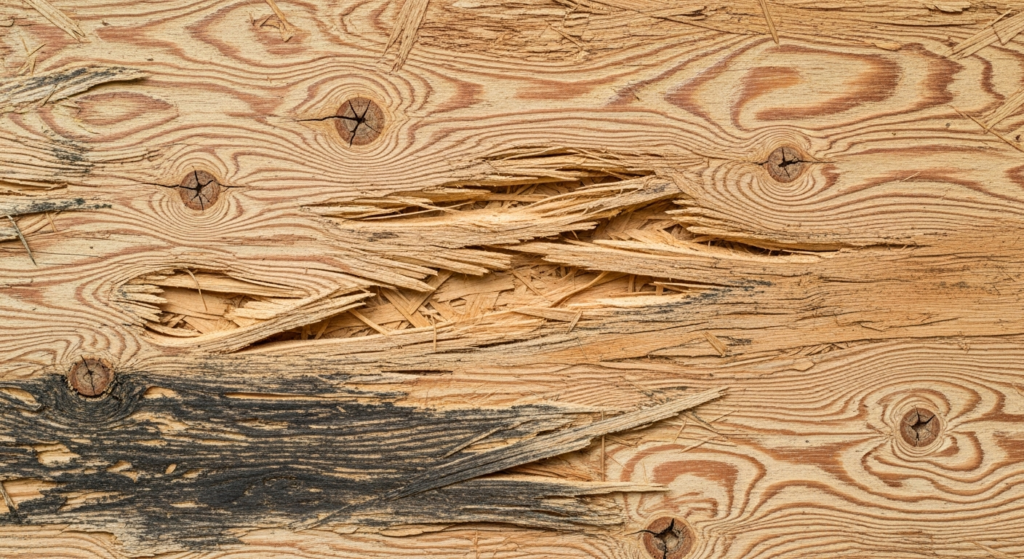
Improper storage, uneven moisture exposure, and inadequate fastening are common causes of plywood warping.
| Cause | Effect |
|---|---|
| Uneven Moisture Exposure | One side swells, causing curvature |
| Inadequate Fastening | The panel lifts or flexes between supports |
| Improper Storage | Panels deformed before installation |
In factory settings, moisture-controlled storage areas and precise panel stacking techniques are employed to minimize warping during production and transport.
How Does Delamination Affect Plywood Sheathing?
Delamination is a separation of the layers or veneers of plywood, usually caused by moisture penetration or inadequate adhesive bonding during manufacturing.
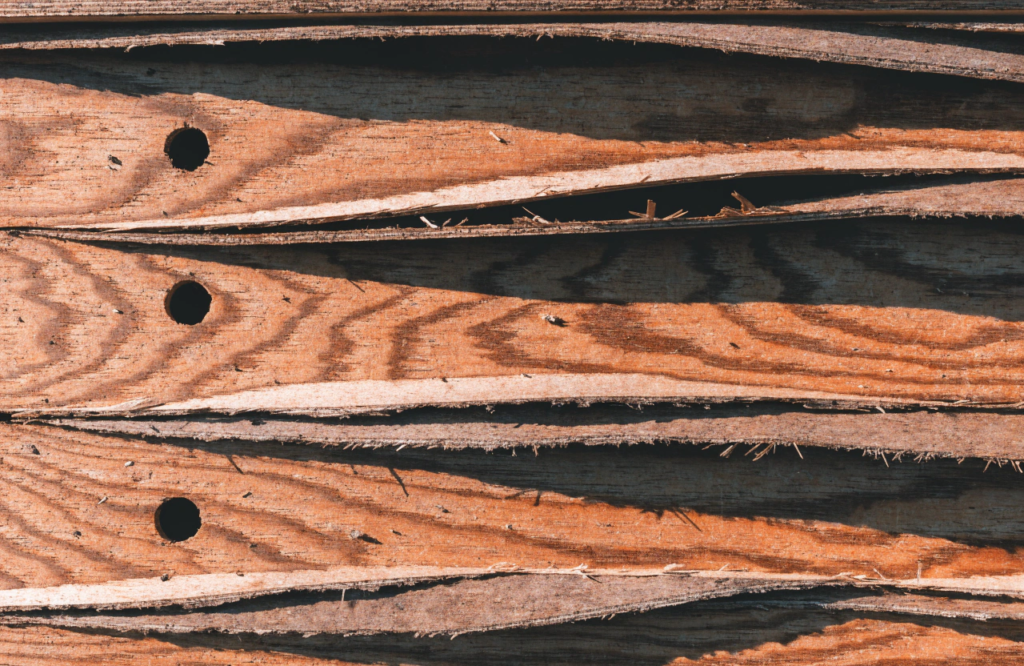
This issue often arises from poor-quality adhesive, exposure to rain, or damage to the cut edges of plywood panels.
| Trigger Condition | Resulting Issue |
|---|---|
| Wet Cut Edges | Water seeps between layers and weakens bonds |
| Low-Quality Adhesive | Internal layers separate under stress or humidity |
| Freeze/Thaw Cycles | Expansion and contraction loosen adhesive bonds |
Plywood sheathing is manufactured using high-quality adhesives that bond under heat and pressure to minimize delamination. Strict quality control measures ensure that only adhesive types approved for exterior use are used in production.
What Causes Moisture Damage in Plywood Sheathing?
Moisture is one of the most common factors contributing to plywood degradation. Over time, constant exposure to water can lead to mold, mildew, and eventual structural decay.
Plywood sheathing is designed to resist moisture, but improper installation or lack of protection against rain and humidity can cause long-term damage.
| Source of Moisture | Resulting Damage |
|---|---|
| Roof Leaks | Rot and mold near joints |
| Poor Drainage | Standing water causes edge swelling |
| Insufficient Vapor Barrier | Moisture passes from inside the building to the plywood |
Factories incorporate moisture-resistant coatings during manufacturing to help prevent water penetration during storage, transit, and installation. Additionally, ensuring proper flashing and waterproofing on site is critical to maintaining plywood integrity over time.
What Leads to Edge Swelling in Plywood Sheathing?
Edge swelling occurs when the edges of plywood absorb moisture faster than the surface, causing the panel to expand at its perimeter.
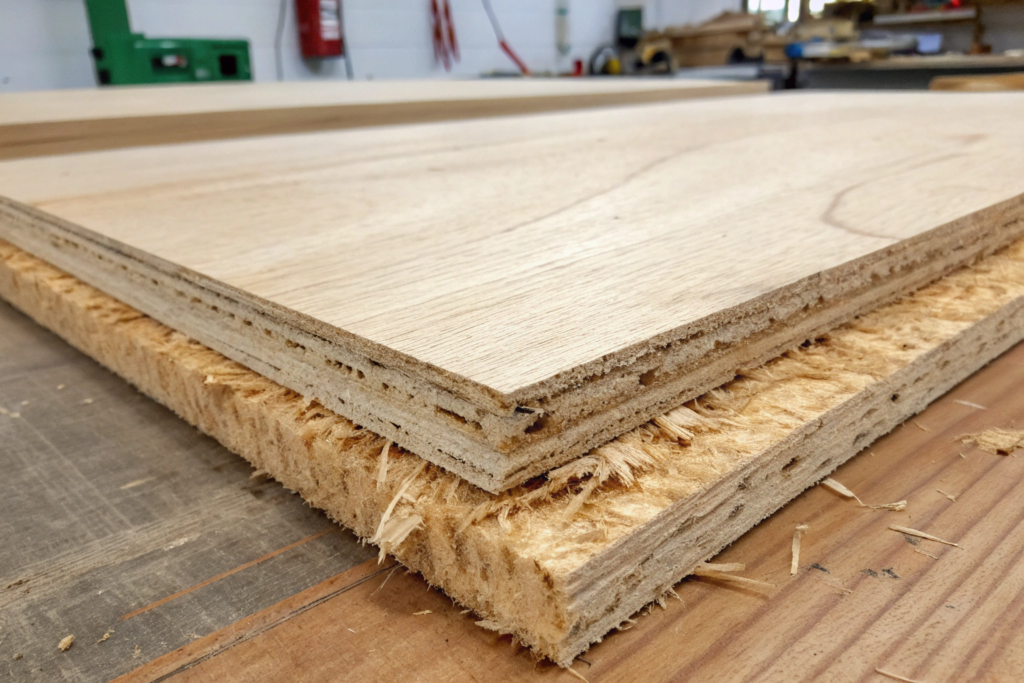
Unsealed edges are particularly vulnerable, especially when exposed to rain during the construction phase or stored improperly before installation.
| Cause | Effect |
|---|---|
| Unsealed Edges | Edges absorb moisture quickly |
| Poor Site Storage | Moisture wicking through the panel |
| Panel Damage During Handling | Breaks factory seal, allowing moisture entry |
Factory-produced plywood often includes edge-sealing treatments to prevent moisture absorption during transit and storage, ensuring better performance on-site.
Why Does Nail Withdrawal Occur in Plywood Sheathing?
Nail withdrawal happens when fasteners lose their grip on the plywood, leading to loose sheathing that can cause gaps and rattling.
Incorrect nailing technique, improper fastener type, or insufficient nailing can lead to poor retention under load or wind pressure.
| Cause | Effect |
|---|---|
| Overdriven Nails | Nail heads penetrate too deep, weakening grip |
| Undersized Fasteners | Fasteners fail under load or stress |
| Inadequate Nailing Pattern | Inconsistent spacing weakens panel attachment |
Manufacturing environments ensure that fastener compatibility and nail spacing are standardized, ensuring that each panel is properly secured for structural integrity.
How Can Sheathing Plywood Problems Be Prevented in Manufacturing?
Factory processes play a key role in ensuring plywood’s performance. From veneer grading to adhesive application, strict quality control measures are essential for producing high-quality sheathing plywood.
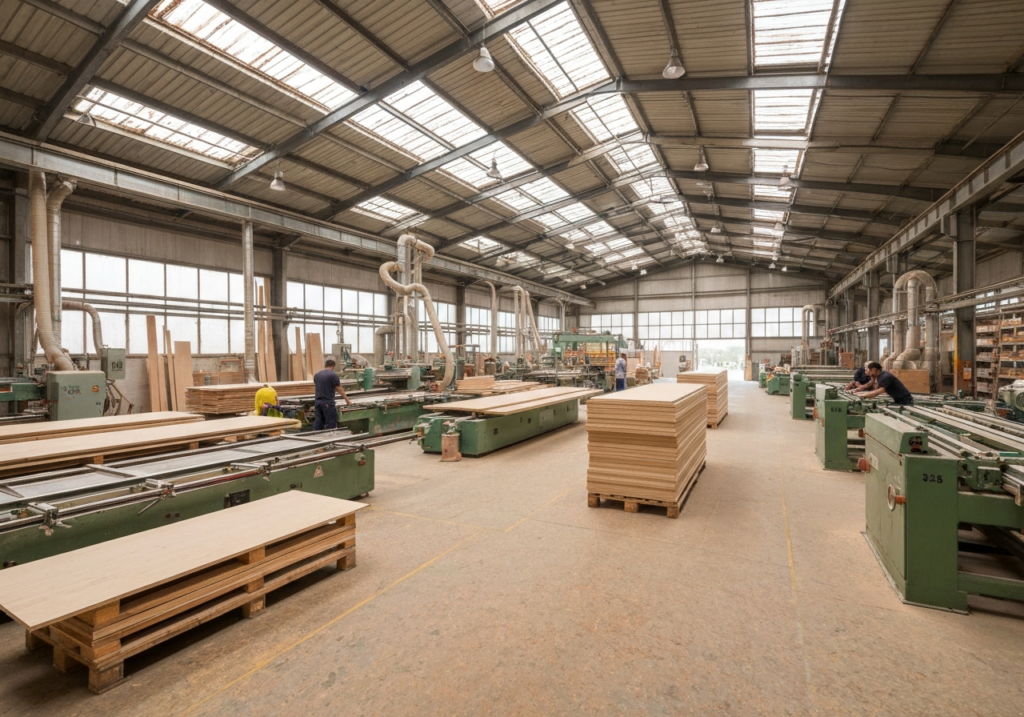
Factory control systems monitor moisture content, veneer defects, and adhesive curing to ensure that each panel meets the desired specifications for strength, durability, and moisture resistance.
| Process | Key Function |
|---|---|
| Veneer Grading | Ensures consistent quality for each layer |
| Adhesive Application | Ensures proper bonding of veneers |
| Pressing and Curing | Ensures dimensional stability and durability |
Manufacturers use automated machinery and advanced technology to ensure that plywood is free from defects and performs optimally in its intended applications.
Conclusion
Sheathing plywood, although durable, is subject to several common issues such as warping, delamination, moisture damage, edge swelling, and fastener withdrawal. These problems are often preventable through proper handling, installation, and regular maintenance. Factories use advanced manufacturing processes, strict quality control standards, and moisture-resistant treatments to ensure the plywood’s strength and performance. By addressing potential issues during production and installation, the lifespan and functionality of plywood sheathing can be significantly extended, ensuring the safety and stability of the entire structure.