
Plywood is naturally porous and absorbs water unless properly sealed. Long-term water exposure causes swelling, delamination, and fungal decay, especially in outdoor or marine environments.
To permanently waterproof plywood, use penetrating epoxy sealers, reinforce edges, and finish with waterproof topcoats like marine paint or polyurethane.
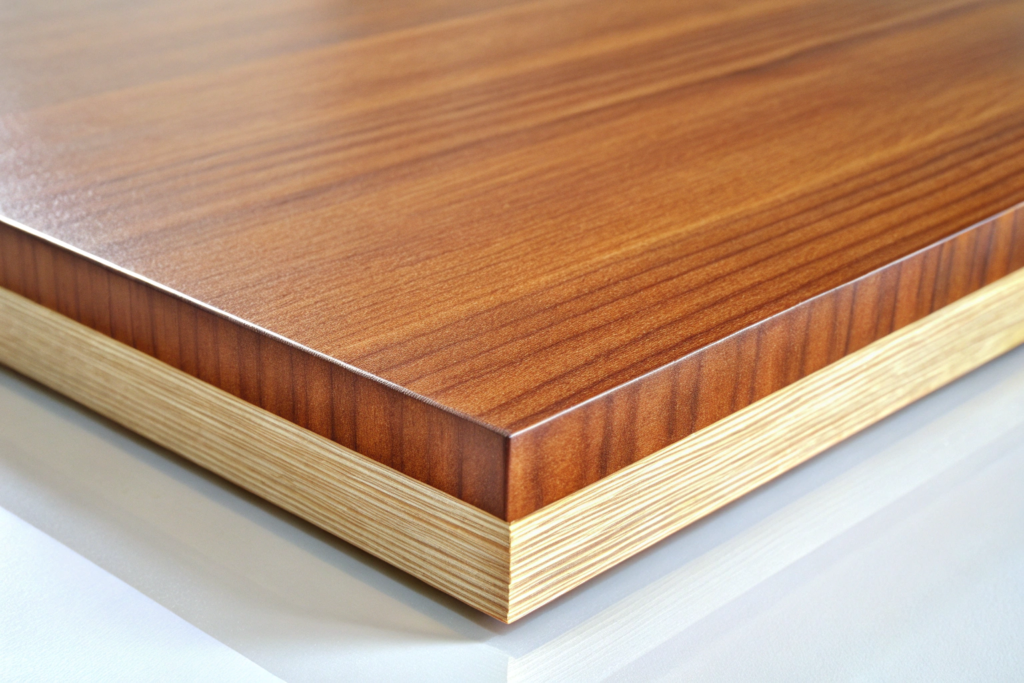
Waterproofing must protect the entire surface and edges. Moisture can enter through tiny gaps and cracks, so sealing must be complete, thick, and well-cured. The goal is to create a long-lasting barrier that resists both liquid water and vapor.
Why does plywood need waterproofing?
Plywood consists of layered veneers glued together. These layers absorb moisture at different rates, causing internal stress.
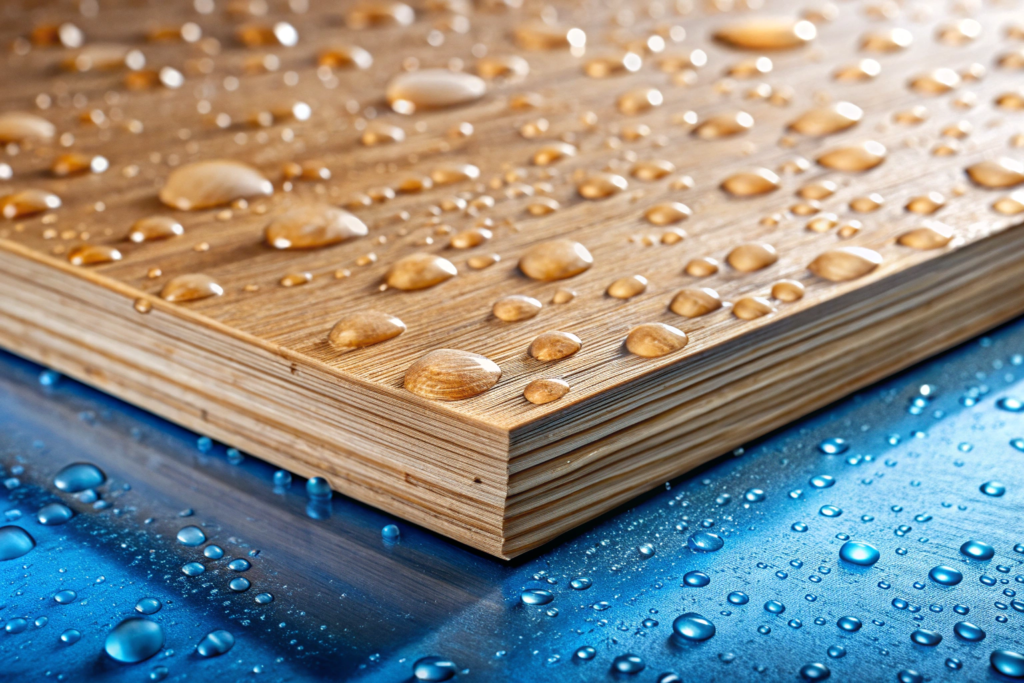
Waterproofing prevents plywood from absorbing moisture that causes expansion, adhesive failure, and surface deterioration.
Even short-term water contact can damage untreated plywood. End grains, joints, and cut edges absorb water fastest. Without sealing, the glue between layers weakens, and the board begins to delaminate. Swollen plywood loses structural strength and becomes warped, stained, or mold-prone. Waterproofing preserves the integrity of the material in all conditions.
What are the best materials for waterproofing plywood?
Waterproofing materials must penetrate wood fibers, bond permanently, and resist long-term exposure to moisture and UV.
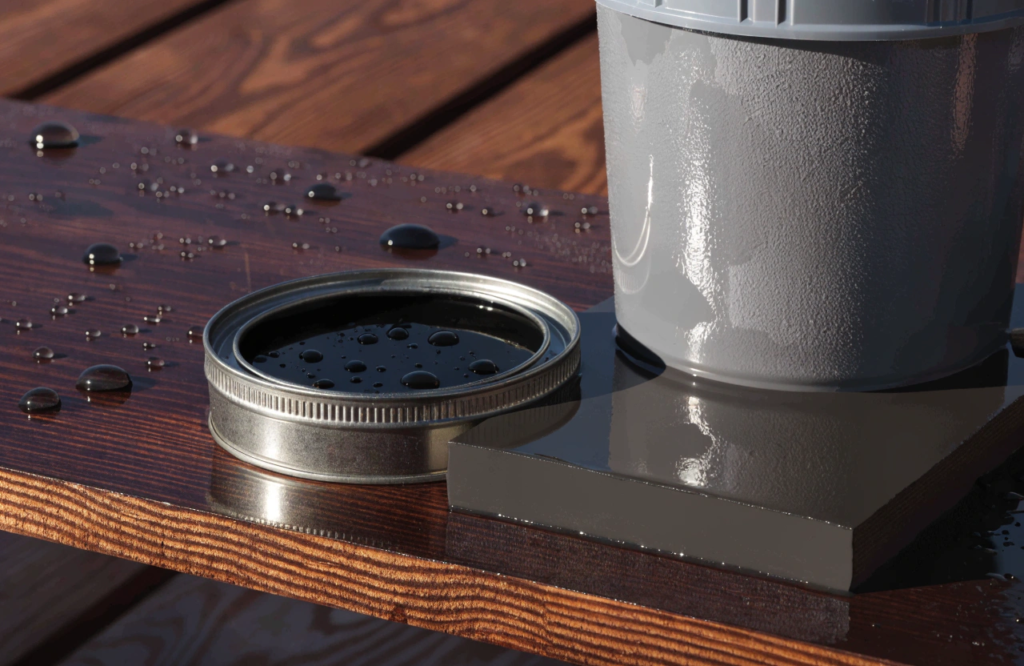
Penetrating epoxy, marine-grade polyurethane, and elastomeric coatings are the most reliable waterproofing options for plywood.
| Waterproofing Material | Key Benefits | Typical Use |
|---|---|---|
| Penetrating Epoxy | Deep fiber protection, hardens wood | Marine, structural, exterior panels |
| Marine Polyurethane | UV and abrasion resistance | Outdoor furniture, decks, cladding |
| Elastomeric Coating | Flexible, crack-bridging, thick coverage | Roofing plywood, exposed subfloors |
| Oil-Based Sealer | Moderate water resistance, easy application | Temporary or light-duty use |
Epoxy is considered the most durable method for long-term waterproofing. It penetrates deep into the wood structure and chemically bonds to fibers, creating a plastic-like shell when cured. Polyurethane adds flexibility and UV resistance. Elastomeric coatings are best for areas prone to movement or surface cracks.
How to apply a permanent waterproofing system step by step?
Waterproofing should be applied methodically, with special attention to drying, edge sealing, and layer buildup.
Plywood must be clean and dry, sealed with epoxy, then coated with UV-resistant topcoats for full waterproofing.
- Surface Prep: Sand all faces and edges. Remove dust, oil, and contaminants.
- Edge Sealing: Apply multiple coats of epoxy or sealer to all cut edges, joints, and screw holes.
- First Epoxy Layer: Brush or roll on penetrating epoxy. Let it soak and cure fully.
- Second Coat: Apply another epoxy layer to ensure full coverage.
- Topcoat: Once cured, add a marine-grade polyurethane or UV-resistant paint as a final layer.
- Curing: Allow full cure times between coats. Total system may take 3–7 days depending on environment.
For critical outdoor applications, wrapping the panel with a waterproof membrane or using fiberglass cloth over epoxy can provide additional durability.
How to protect plywood edges permanently?
Edges are the most vulnerable part of plywood. They absorb water faster than flat surfaces and often initiate failure.
To protect edges, seal with thick epoxy layers, reinforce with edge banding, or encapsulate with waterproof coatings.
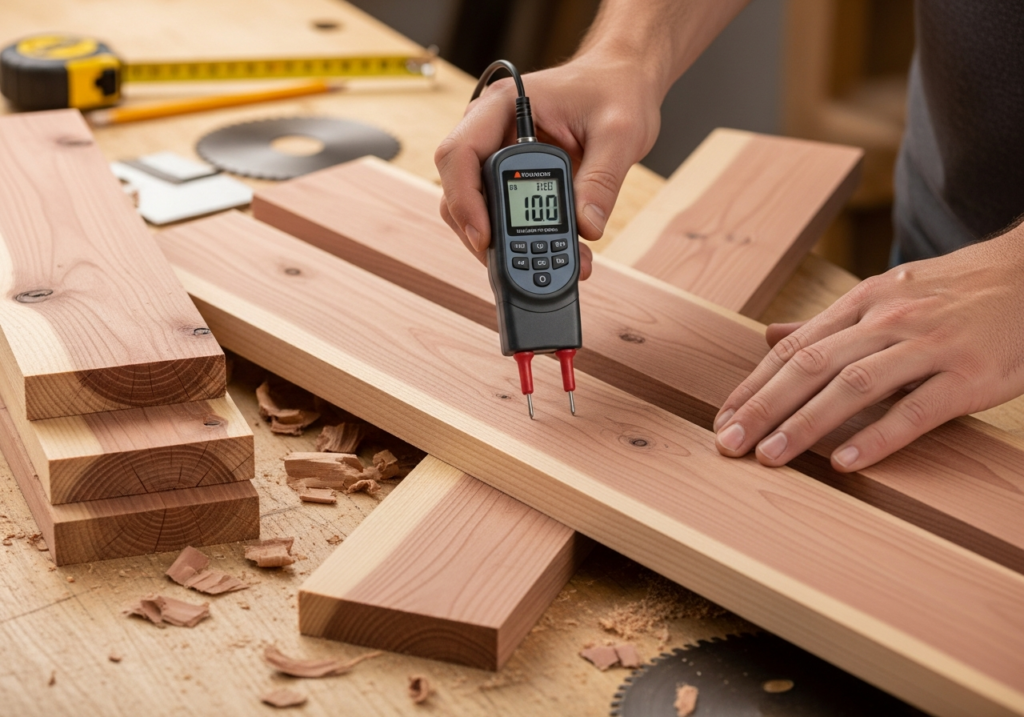
After cutting, apply multiple coats of epoxy directly to the edge. Sand lightly between coats. Edge banding using PVC or hardwood adds mechanical protection. For marine use, fiberglass tape embedded in epoxy creates a waterproof barrier that can withstand direct water contact and abrasion. Fastener holes and joints should be flooded with epoxy before screwing or gluing.
How is permanent waterproofing handled in factory production?
In industrial settings, waterproofing is part of a standardized process that ensures consistency across high volumes.
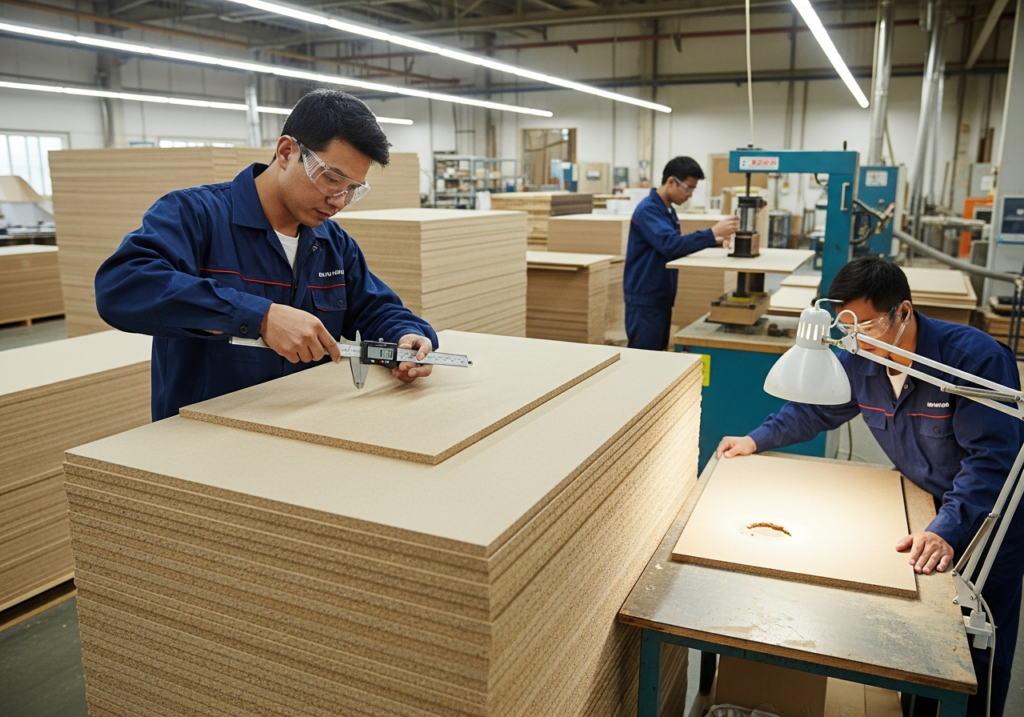
Factories use automated coating lines, vacuum impregnation, and curing systems to achieve permanent waterproofing.
Panels are sanded, edge-sealed, and passed through epoxy or sealer baths. Some production lines use vacuum chambers to draw sealers deep into the plywood core. Surface coating is applied using roller or curtain coaters. Curing ovens or UV dryers ensure full hardening. In high-end applications, fiberglass layers are laminated over plywood for marine or construction use. These processes deliver panels that are ready for long-term outdoor or submerged use.
Conclusion
Permanently waterproofing plywood requires deep sealing, edge protection, and UV-resistant topcoats. Penetrating epoxy forms the foundation of the system, while polyurethane or elastomeric finishes add surface defense. With proper preparation and layering, plywood can resist moisture for decades—even in marine or outdoor conditions. For lasting results, both DIY and industrial processes must focus on full encapsulation and consistent coating quality.