
Plywood is an engineered wood product designed for long-term use in construction, furniture, and industrial applications. While not perishable, its condition can degrade over time depending on storage, handling, and environmental exposure.
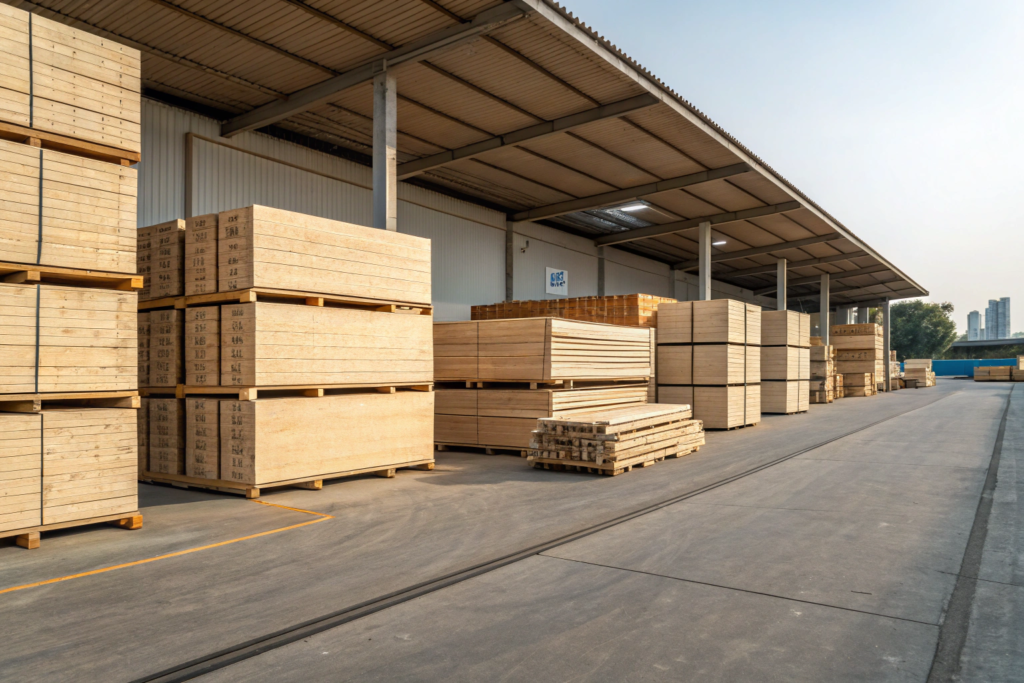
Plywood does not have a fixed expiration date, but poor storage or high-moisture exposure can lead to warping, delamination, or biological decay, reducing its usability over time.
Properly stored plywood can remain stable for many years without significant degradation. However, factors like humidity, temperature swings, and physical stress during storage influence how long it retains structural and aesthetic quality.
What environmental conditions affect plywood lifespan?
The environment plays a critical role in determining how long plywood maintains its integrity.
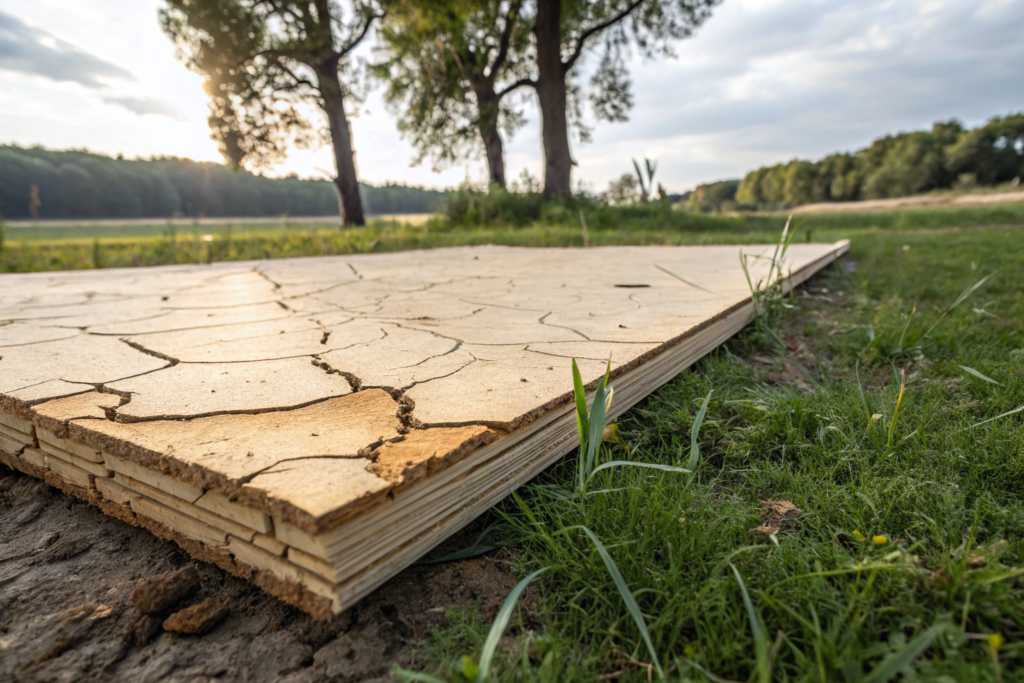
Exposure to moisture, UV rays, pests, and temperature fluctuations can cause plywood to deteriorate even if it remains unused.
Humidity and water
Moisture is the leading cause of plywood degradation. Even interior-grade panels can swell, warp, or delaminate if stored in damp conditions. Marine or exterior-grade plywood withstands moisture better due to water-resistant adhesives and treated cores.
Temperature and sunlight
High temperatures can dry out surface veneers, leading to cracking. UV exposure fades finishes and breaks down adhesive bonds over time.
How does storage impact plywood longevity?
Storage method directly influences whether plywood maintains quality or becomes unsuitable.
Improper stacking, direct floor contact, and lack of cover accelerate physical deformation, edge damage, and mold formation.
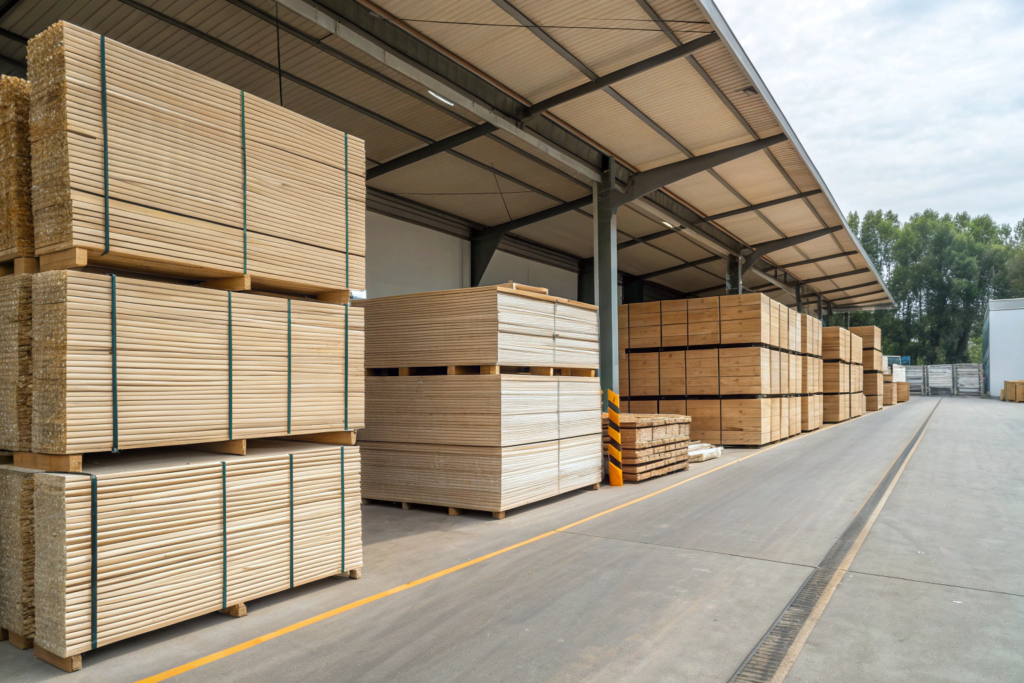
Proper stacking and ventilation
Panels should be stored flat on elevated racks in dry, shaded areas. Airflow must be maintained to prevent trapped moisture.
Protection from elements
Plywood should be shielded from rain and sun using breathable covers. Storing in unventilated containers increases the risk of moisture accumulation.
What are signs that plywood has gone bad?
Visible and tactile changes are early indicators of compromised plywood.
Signs include warping, separation of layers, mold spots, unusual odors, or spongy textures, especially near edges.
Structural breakdown
Plywood may lose rigidity, and fasteners may no longer hold. Delamination is often visible at corners or near screw points.
Surface deterioration
Surface bubbles, cracks, and peeling veneers signal weakened adhesive bonds or fungal activity inside the panel.
Can expired or damaged plywood be reused?
Plywood that shows minor wear may still serve in non-structural roles if handled correctly.
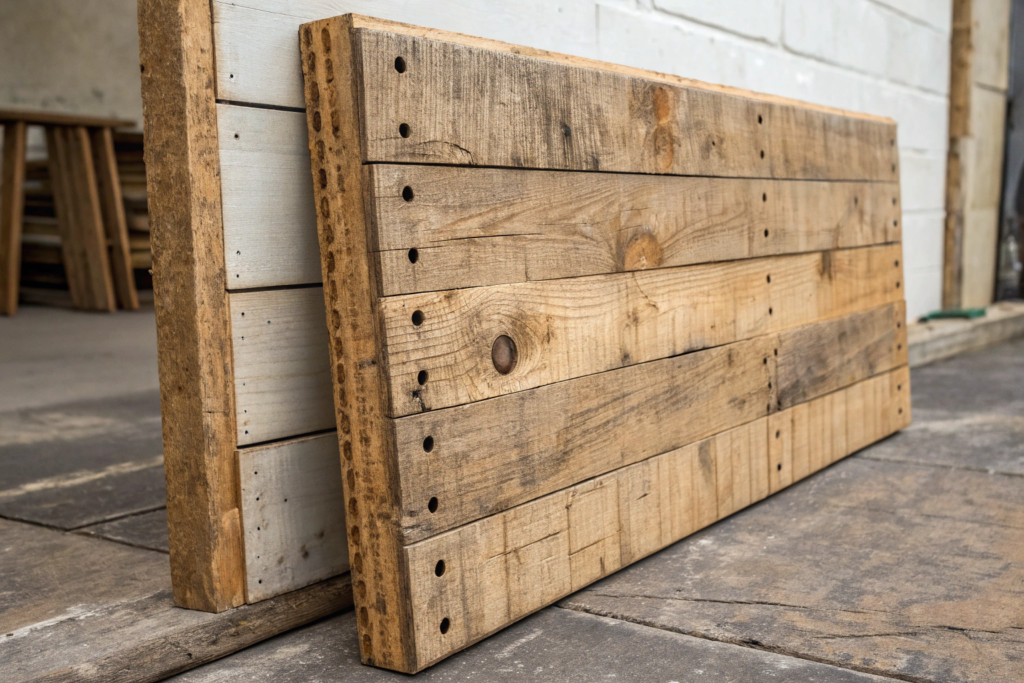
Mildly warped or stained plywood can be repurposed for packaging, temporary structures, shop jigs, or protective paneling.
Surface repairs
Sanding, resealing, or patching minor damage can extend utility. Severely compromised panels should not be used for load-bearing applications.
Sorting by grade
Panels with edge integrity and central strength can be classified for reuse, while others are redirected to scrap or secondary use.
How does manufacturing quality prevent early degradation?
The production process determines how resistant a plywood panel is to long-term environmental effects.
Plywood made with dried veneers, strong adhesive systems, calibrated pressing, and edge sealing lasts significantly longer under variable conditions.
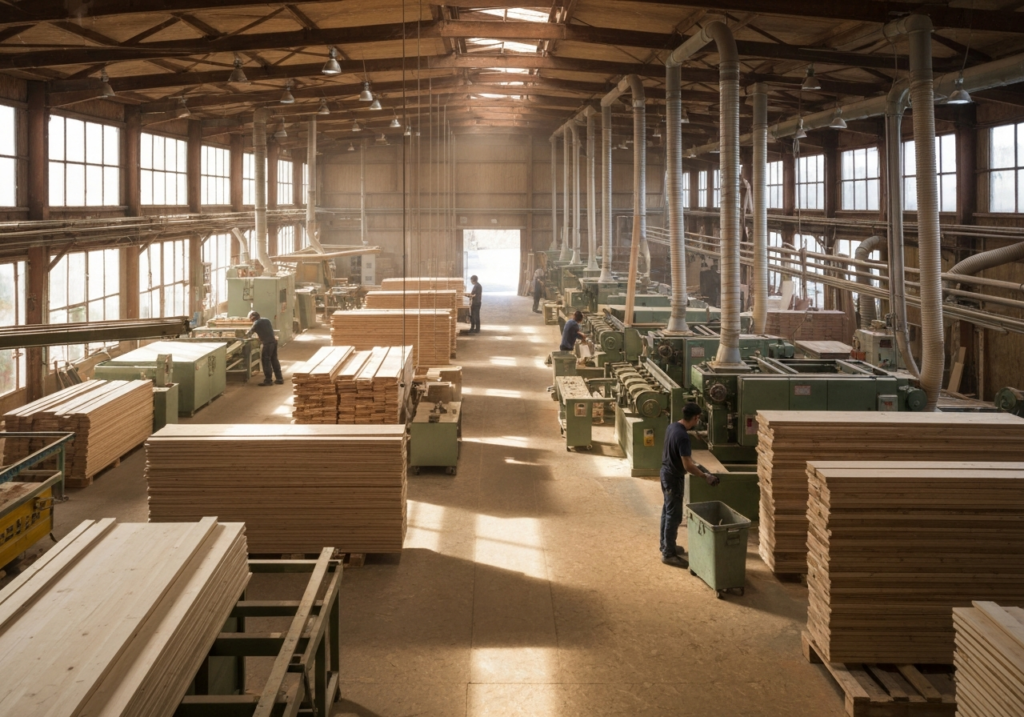
Resin formulation and hot-press cycle
Phenolic or melamine-based resins increase moisture resistance. Correct pressing temperature and time ensure complete bonding and prevent internal gaps.
Edge sealing and grading control
Edge sealants protect against water ingress. Grading systems at the factory help ensure consistency, removing lower-quality panels before shipment.
How do factories manage plywood aging in storage?
Manufacturers implement protocols to maintain inventory quality over time.
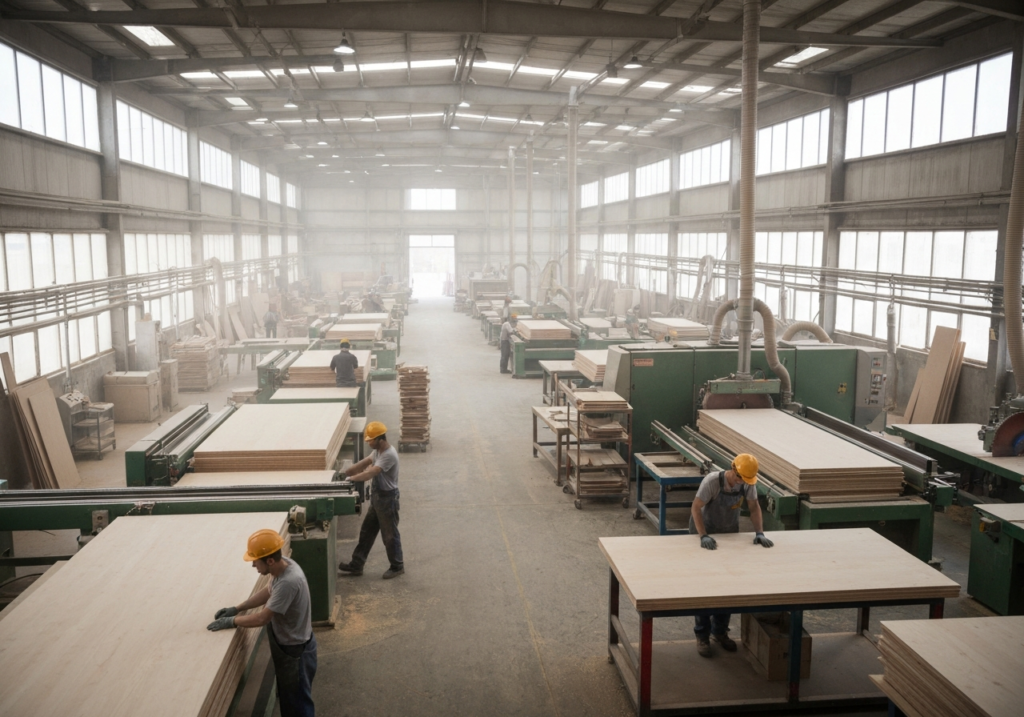
Plywood in factory storage is rotated, inspected, and protected through climate control, regular inspection, and proper packaging.
FIFO systems
First-in-first-out systems ensure older stock is used before newer batches. Periodic rotation avoids prolonged storage of panels.
Storage facility controls
Controlled humidity, ventilation, and racked stacking preserve panel flatness and surface finish. Quality audits identify aging signs early.
Conclusion
Plywood does not have a set expiration date, but its longevity depends on storage, environmental conditions, and manufacturing quality. When stored correctly in dry, ventilated conditions and produced with strong adhesives and sealed edges, plywood can last for many years. Factories that follow climate-controlled inventory practices and grading protocols ensure product durability even before it reaches the customer. Panels that show damage or degradation may still be reused in non-critical applications. For long-term performance, plywood must be handled with the same care during storage and transport as during final installation.