
Exterior siding defines not only the appearance of a building, but also its durability and maintenance cost. Choosing between cedar and vinyl involves more than aesthetics.
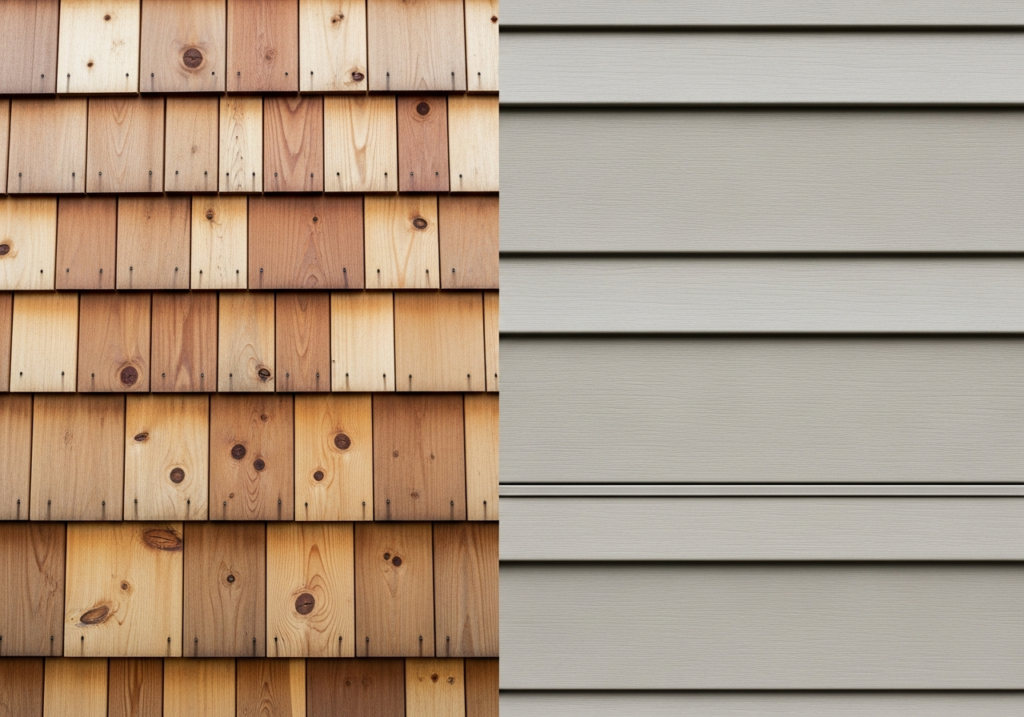
Cedar siding is a natural wood product offering beauty and insulation, while vinyl siding is a synthetic option known for low cost and minimal maintenance. Each suits different performance and budget priorities.
Both materials protect building exteriors, but differ in cost, installation methods, weather resistance, and environmental impact. The right choice depends on design goals, location, and long-term investment plans.
What is cedar siding and how is it manufactured?
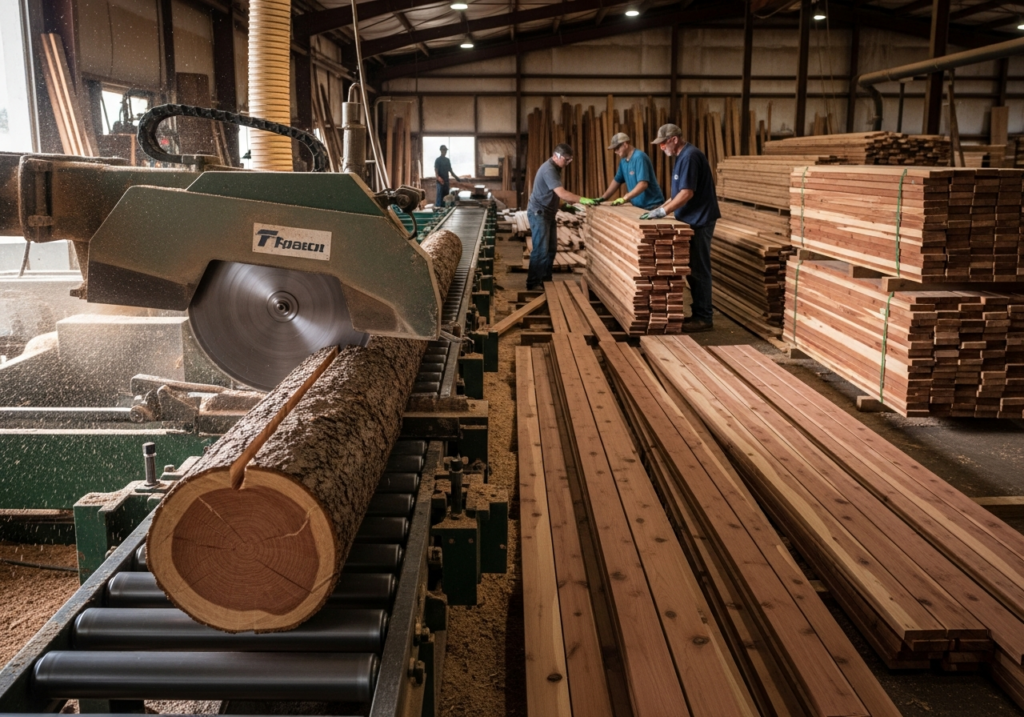
Cedar siding is cut from natural cedar logs and processed into boards or shingles. It is valued for its resistance to insects and moisture and its warm, natural grain.
Cedar siding is milled from western red cedar or similar species, then kiln-dried, planed, and graded for exterior durability and dimensional stability.
Cedar Siding Features
| Property | Description |
|---|---|
| Material Source | Natural cedar (typically western red or incense) |
| Profile Types | Bevel, tongue-and-groove, shingles, board & batten |
| Finish Options | Raw, primed, stained, or painted |
| Natural Advantages | Insect-resistant, decay-resistant, insulative |
Cedar siding is breathable, which helps regulate humidity behind the wall surface. When properly sealed, it can last for decades in both dry and wet climates.
What is vinyl siding and how is it produced?
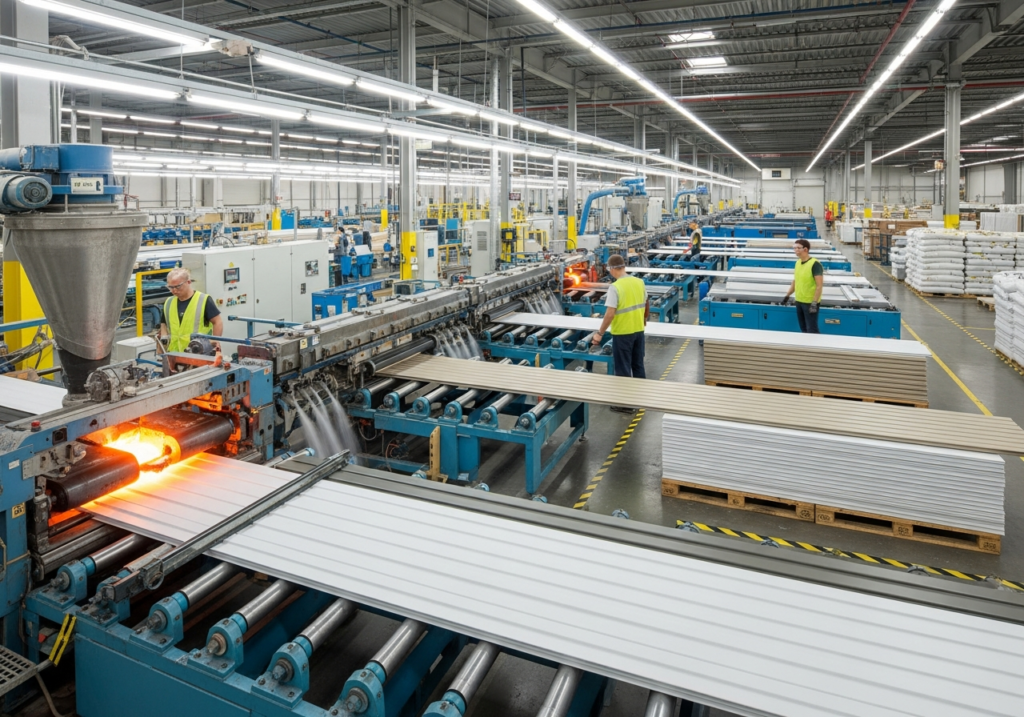
Vinyl siding is made from extruded polyvinyl chloride (PVC) resin, shaped into hollow or foam-backed panels that mimic wood texture.
Vinyl siding is mass-produced using PVC extrusion lines, where the material is colored, embossed with a grain pattern, and formed into lightweight panels for direct mounting.
Vinyl Siding Features
| Property | Description |
|---|---|
| Material Composition | PVC (polyvinyl chloride), often UV stabilized |
| Panel Design | Horizontal lap, vertical board, shake look |
| Finish Options | Pre-colored, embossed textures |
| Maintenance Level | Very low (no painting or sealing required) |
Vinyl is lightweight, resists rot, and never needs repainting. However, it can crack under impact or extreme cold, and may fade over long-term UV exposure.
How do cedar and vinyl siding compare in performance?
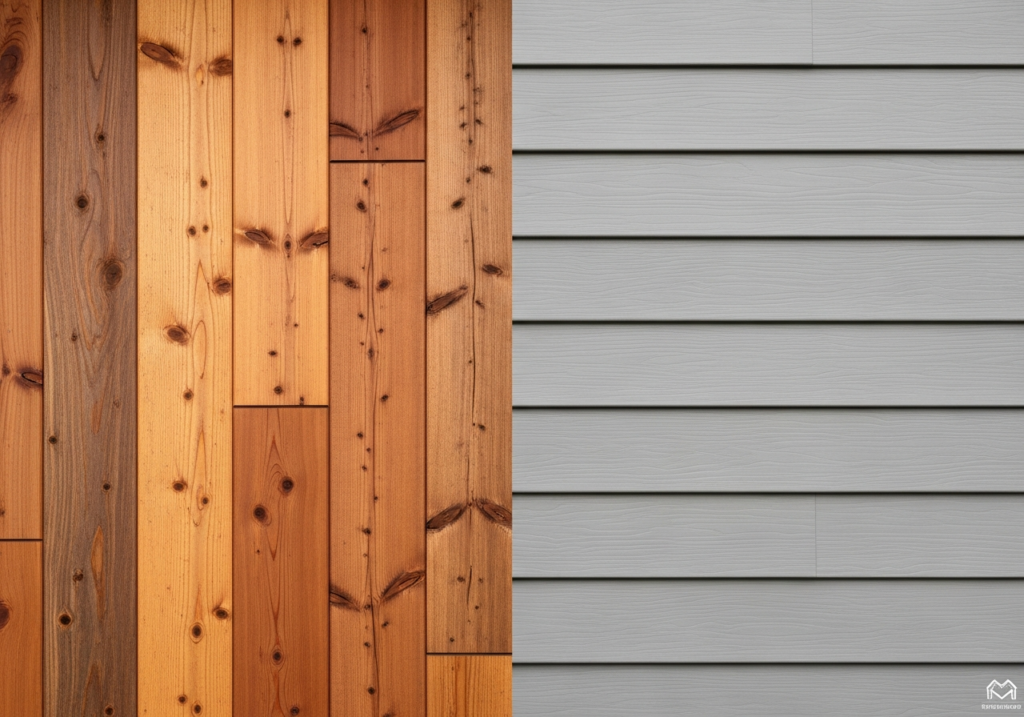
Choosing between them depends on what matters more: natural beauty and insulation (cedar) or maintenance-free and budget (vinyl).
Cedar siding offers better thermal performance and natural texture, while vinyl siding provides easier care, lower upfront cost, and consistent surface finish.
Performance Comparison
| Feature | Cedar Siding | Vinyl Siding |
|---|---|---|
| Aesthetic | Natural grain, warm tones | Consistent texture, faux wood |
| Durability | High (if maintained) | Moderate (prone to cracking/fading) |
| Maintenance | Requires sealing/staining | No sealing or repainting needed |
| Thermal Resistance | Naturally insulative | Insulation depends on backer type |
| Lifespan | 30–50 years (well maintained) | 20–30 years |
| Installation Cost | Higher (labor intensive) | Lower (quick install) |
| Eco-Friendliness | Renewable, biodegradable | Synthetic, non-renewable |
Cedar works better for high-end homes and sustainable projects. Vinyl suits volume developments and low-maintenance rental properties.
Which siding type is better for different climates?
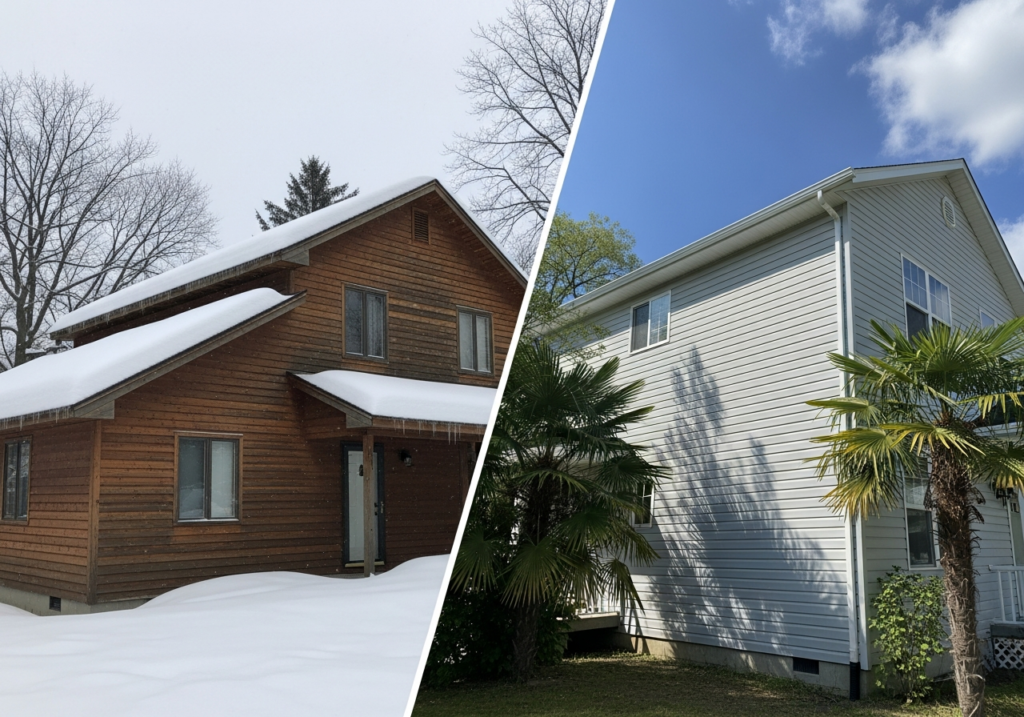
Climate has a major impact on siding longevity. Moisture, UV exposure, and freeze-thaw cycles all affect material performance.
Cedar siding handles moisture and temperature swings well but needs maintenance, while vinyl siding performs best in stable, mild climates with minimal impact or moisture.
Climate Suitability
| Climate Type | Recommended Siding | Reason |
|---|---|---|
| Coastal (humid/salty) | Cedar with sealing | Resists humidity with proper protection |
| Cold (freeze-thaw) | Cedar (stable under flex) | Vinyl may crack under extreme cold |
| Hot/Dry | Vinyl | Low UV exposure risk in controlled exposure |
| Rainy/Moderate | Both (if maintained) | Proper drainage and sealing are key |
In tropical or heavy-rain regions, treated cedar or water-resistant profiles like board & batten offer ventilation and drainage. Vinyl requires tight flashing to prevent water infiltration behind panels.
Conclusion
Cedar siding and vinyl siding serve different goals. Cedar delivers natural character, insulation, and long-term value when properly maintained. Vinyl siding reduces maintenance and upfront cost, making it practical for budget projects and fast builds.
Project location, climate, and design goals should guide the material decision. For premium residential design and sustainability, cedar is the preferred choice. For cost-focused development and ease of installation, vinyl remains a functional alternative.