
Medium Density Overlay (MDO) plywood is a type of exterior-grade panel known for its smooth, resin-treated fiber surface bonded to a plywood core. It is primarily used in signage, concrete forms, and painted structures.
Yes, MDO plywood is moisture-resistant and can get wet, but it must be properly sealed to prevent long-term water damage.
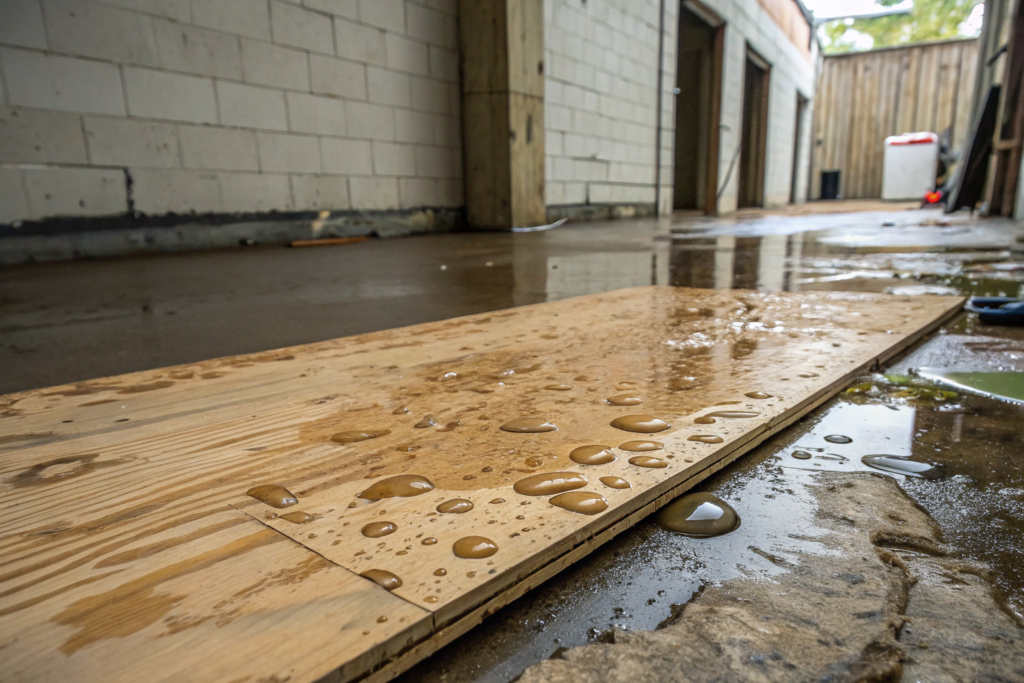
The overlay enhances the plywood’s weather resistance and surface finish, making it suitable for outdoor exposure. However, the edges and fastener penetrations remain vulnerable unless sealed properly.
How is MDO plywood manufactured for moisture resistance?
The panel is built for external durability using waterproof adhesives and a resin-saturated fiber overlay.
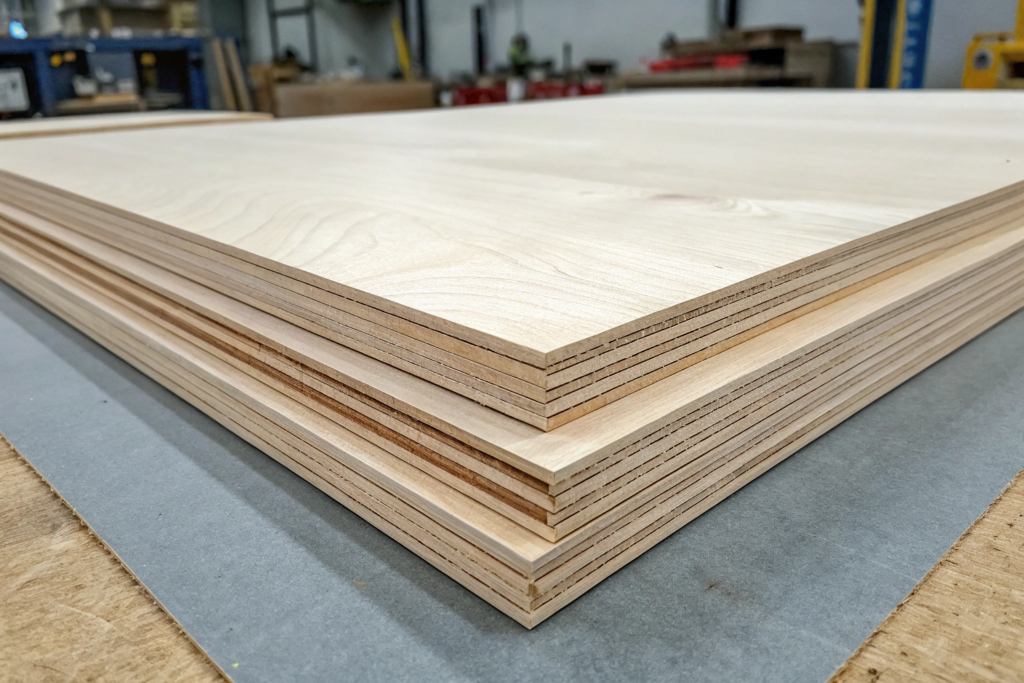
MDO is manufactured with phenolic resins and exterior-grade bonding that resist delamination under wet conditions.
During manufacturing, veneer layers are glued using water-resistant phenol-formaldehyde resin. The outer surface receives a heat-pressed fiber overlay impregnated with melamine or phenolic compounds. This overlay resists moisture absorption and creates a paint-ready, smooth finish ideal for signage and coated construction panels.
What parts of MDO are most vulnerable to moisture?
Despite its water-resistant face, untreated edges and screw holes can absorb water.
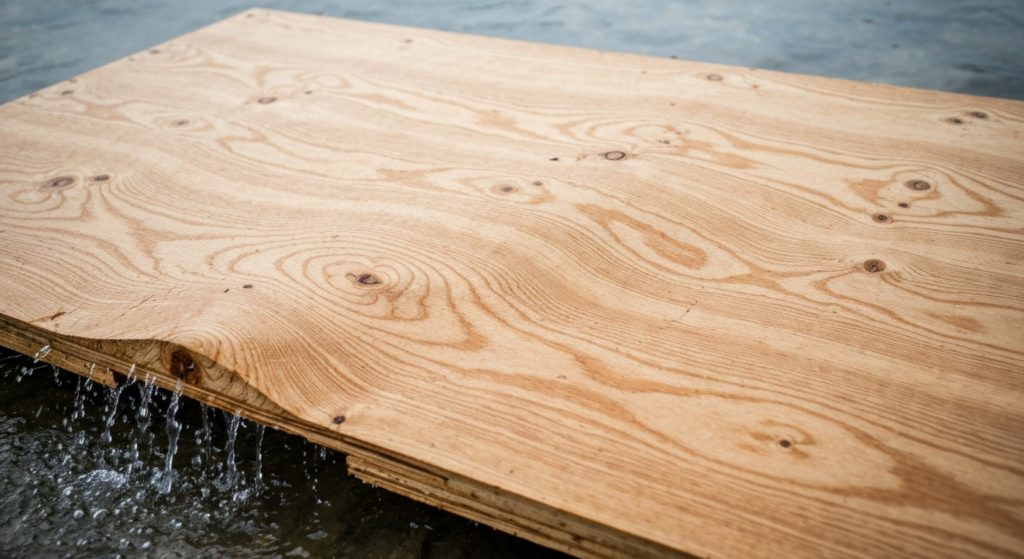
Edges, corners, and fastener sites should be sealed with exterior primer or epoxy to prevent swelling or fiber degradation.
Moisture can wick into exposed ply layers at the panel’s edge, especially if the board is cut or drilled after manufacturing. To protect these areas, apply edge sealants or primer, and re-seal any cuts made during fabrication. This step is critical in high-moisture or freeze-thaw environments.
Where can MDO plywood be used outdoors?
When sealed and maintained, MDO performs well in temporary and semi-permanent outdoor settings.
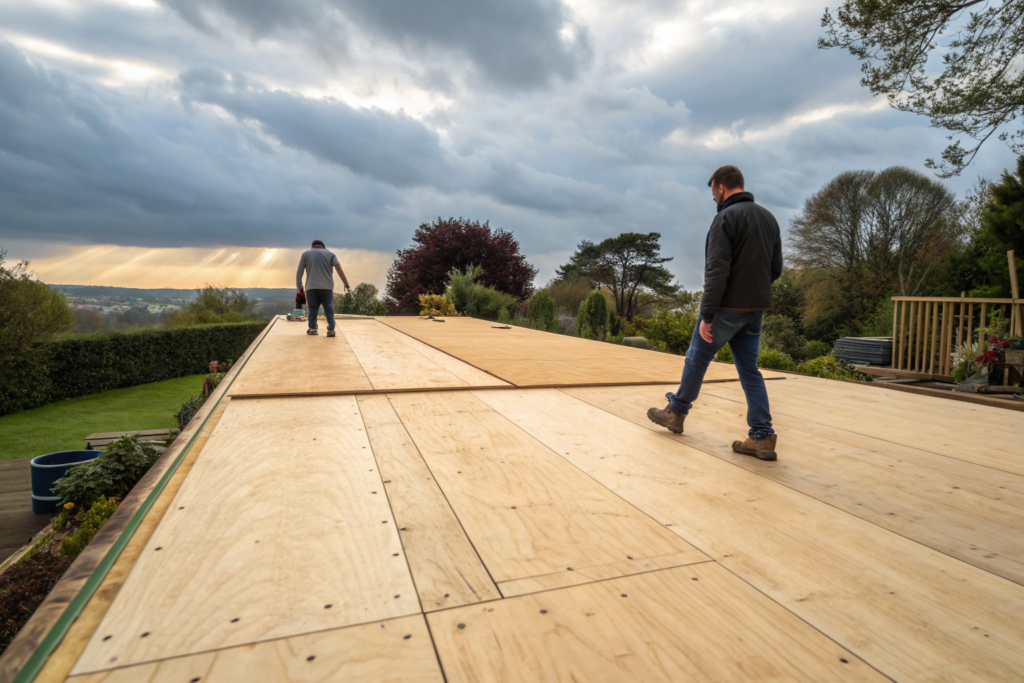
Applications include highway signage, construction hoarding, concrete formwork, soffits, and painted exterior panels.
In signage, its flat surface holds paint well and resists blistering. In concrete formwork, it provides a smooth release and consistent texture. MDO is preferred over untreated plywood in environments requiring clean appearance, limited warping, and repeated wetting, provided it is regularly sealed and maintained.
What maintenance does MDO require in wet conditions?
Periodic sealing and repainting extend MDO’s outdoor lifespan in wet climates.
To maintain integrity, reapply paint or waterproof coatings annually on exposed edges, surfaces, and holes.
Use exterior-grade paint systems with primer, and inspect all cut surfaces or abrasions. Sand and seal any damaged spots before repainting. In horizontal or semi-enclosed applications, ensure water runoff and airflow are sufficient to prevent standing moisture. Proper care minimizes the risk of delamination or mold.
Conclusion
MDO plywood can withstand wet conditions when properly sealed and maintained. The resin overlay and exterior glue resist water intrusion on the face, but exposed edges must be protected. With regular inspection and sealing, MDO plywood performs reliably in outdoor signage, formwork, and painted structures, combining surface smoothness with weather durability.