
Identifying rot in plywood is critical to maintaining structural safety and material performance. Timely detection allows for targeted replacement before failure or wider damage occurs.
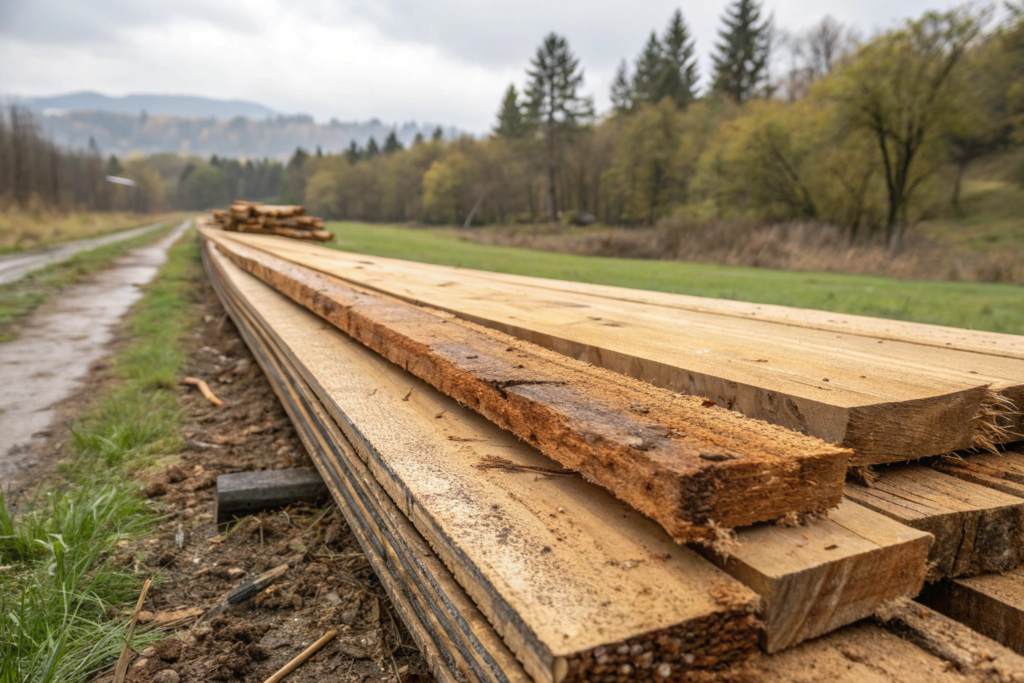
Rotten plywood shows signs like discoloration, softness, musty odor, delamination, and fungal growth. Visual and tactile inspection is key to confirming internal decay.
Rot in plywood results from prolonged moisture exposure, especially in areas with limited ventilation. Detecting it early helps reduce replacement costs and avoids safety hazards in load-bearing applications.
What are visible signs of plywood rot?
Rot typically alters the appearance of plywood even before structural damage is evident.
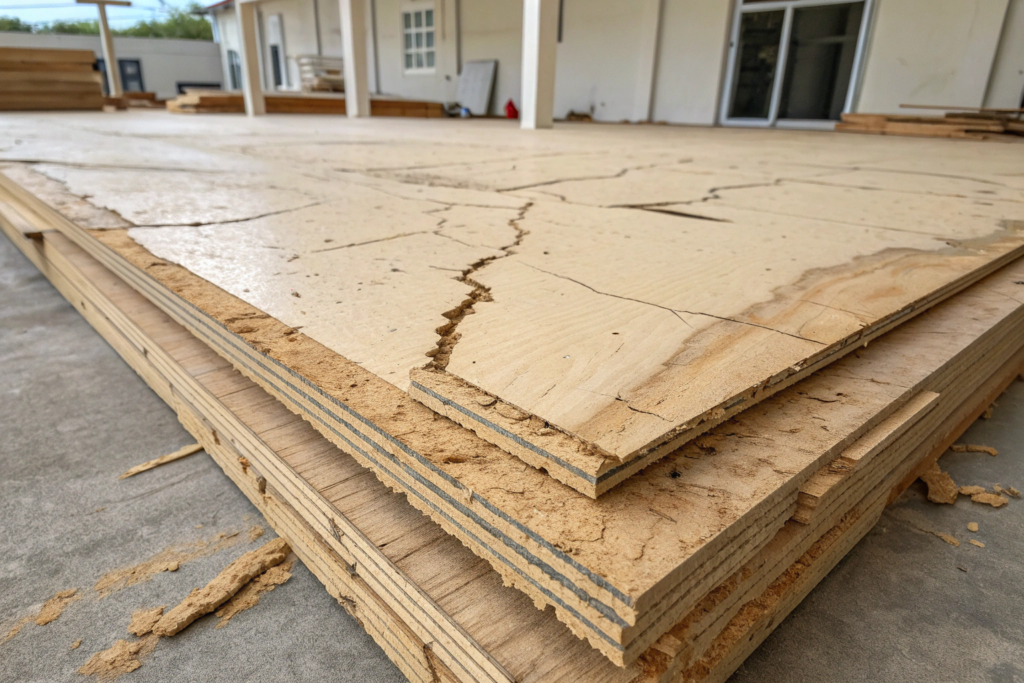
Look for dark stains, peeling surfaces, mold, or bubbling under paint as early signs of decay.
Discoloration and spotting
Black, gray, or green stains on the surface may signal fungal growth. In damp locations, discoloration often precedes structural breakdown.
Surface warping and blistering
As moisture infiltrates the plywood, paint may bubble and veneers peel. This indicates that internal layers have begun to fail.
How does rotten plywood feel when touched?
Texture changes offer one of the most reliable indicators of rot.
Soft, spongy, or crumbly surfaces suggest fungal decomposition of internal fibers.
Pressure test
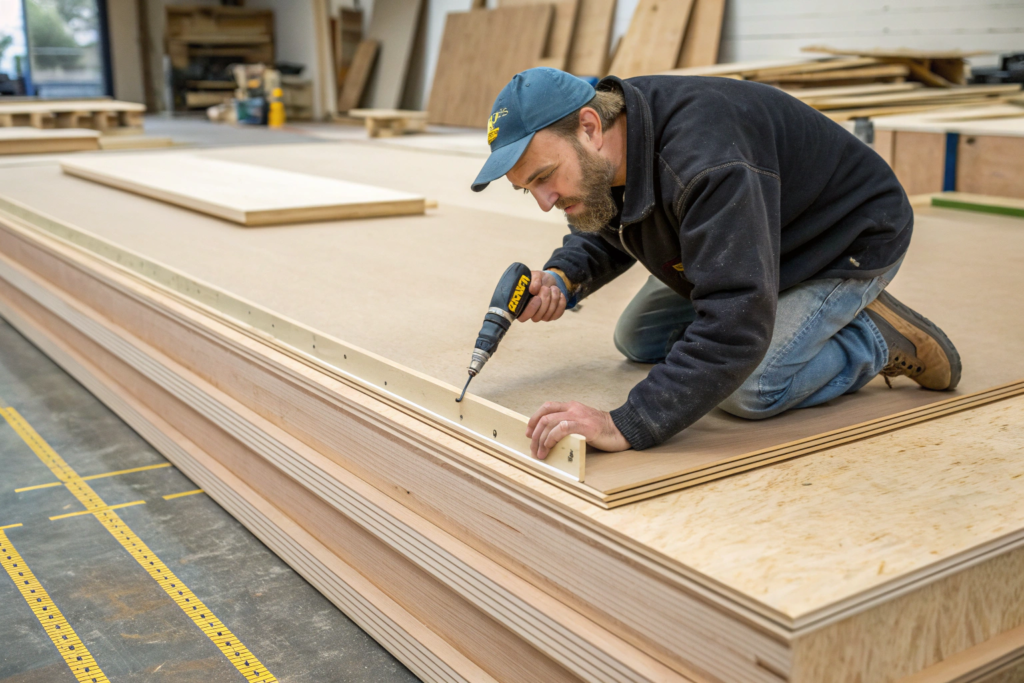
Apply gentle hand pressure. Rotten plywood may flex or indent easily. If it feels soft or springy instead of rigid, the core may be compromised.
Edge and fastener zones
Check areas near screws or edges. Loose fasteners, crumbling corners, or separation of plies signal advanced rot.
What smells indicate decay inside plywood?
Rot is often accompanied by distinct odors caused by mold and bacterial activity.
A musty, earthy, or sour smell around plywood panels suggests biological decay inside the layers.
Closed spaces
In enclosed spaces like crawl areas or behind cladding, smell is often the first detectable warning of hidden decay.
Comparison with dry wood
Healthy plywood has a neutral, woody scent. A sharp or damp smell usually indicates mold or bacterial presence.
What structural changes signal internal rot?
Rotten plywood often loses mechanical integrity, leading to structural instability.
Sagging, cracking under weight, or delamination between layers indicates that the bonding and core strength have failed.
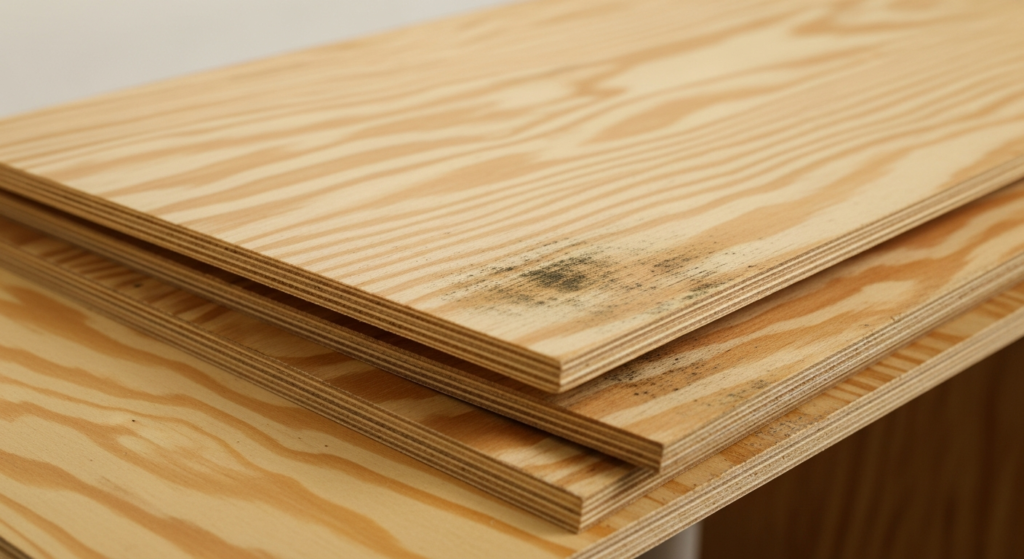
Delamination
Rot attacks the adhesive bonds between layers, causing visible separation. The sheet may appear swollen or layered at edges.
Loss of load-bearing strength
Plywood used in floors, walls, or roofing may start to sag or bounce under normal weight due to internal fiber breakdown.
What tools can help confirm plywood rot?
In addition to touch and sight, simple tools can verify rot without full disassembly.
A moisture meter, awl, or probe helps confirm internal softness and moisture presence in plywood sheets.
Moisture meters
Digital meters show internal moisture levels. Readings above 20% in plywood suggest a risk of fungal decay.
Probing tools
Inserting a probe into suspect areas reveals whether the interior is soft or hollow. This method confirms if the rot has penetrated deeply.
How do manufacturers test for rot resistance?
Rot resistance begins with proper plywood production and quality assurance.
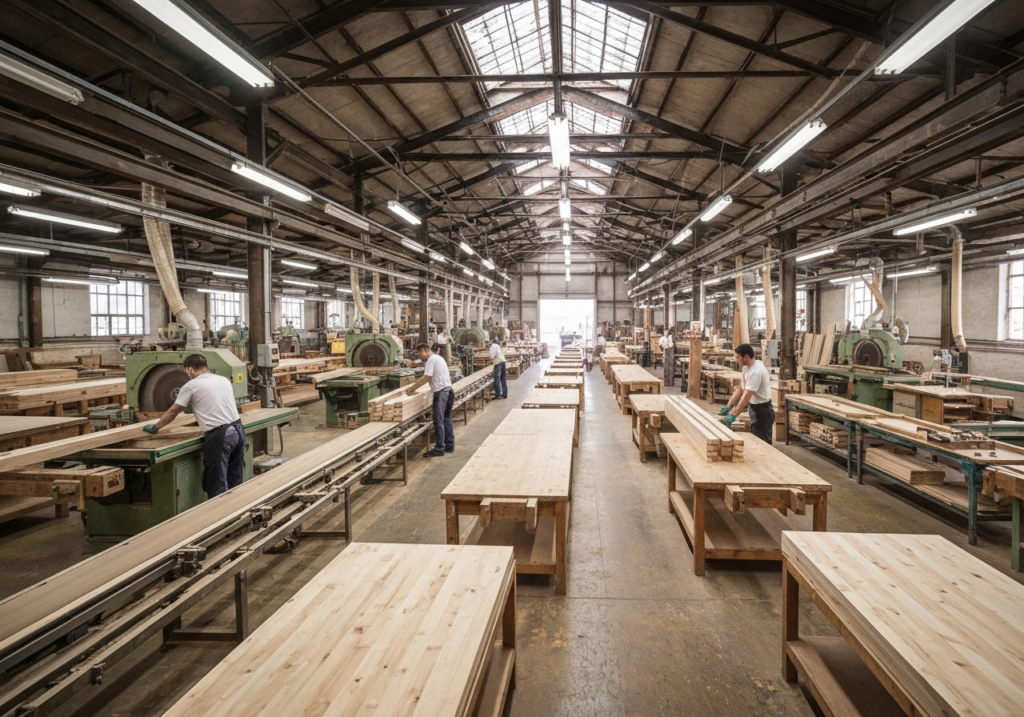
Factories conduct accelerated aging, boil, and humidity tests on samples to confirm durability under moisture and fungal exposure.
Lab simulations
Samples are placed in chambers with controlled humidity, temperature, and fungal spores. Resistance is evaluated based on physical and adhesive integrity post-exposure.
Material grading
Plywood intended for wet environments is graded and treated. Edge sealing, resin selection, and core density are all tested before approval.
Conclusion
Detecting rot in plywood involves careful inspection of surface condition, texture, smell, and structural performance. Discoloration, softness, odor, and delamination are key warning signs. Tools like moisture meters and probes assist in confirming internal damage. In manufacturing, rot resistance is achieved through material selection, adhesive formulation, and protective treatments. Addressing rot early ensures safety, prolongs material life, and reduces costly replacements in both residential and industrial settings.