
Plywood is a durable material used widely in construction, marine, and furniture applications. However, under poor conditions, it can deteriorate over time, particularly through moisture exposure and fungal attack.
Plywood can begin to rot within 6 months to 2 years if exposed continuously to moisture, poor ventilation, or soil contact without proper sealing or treatment.
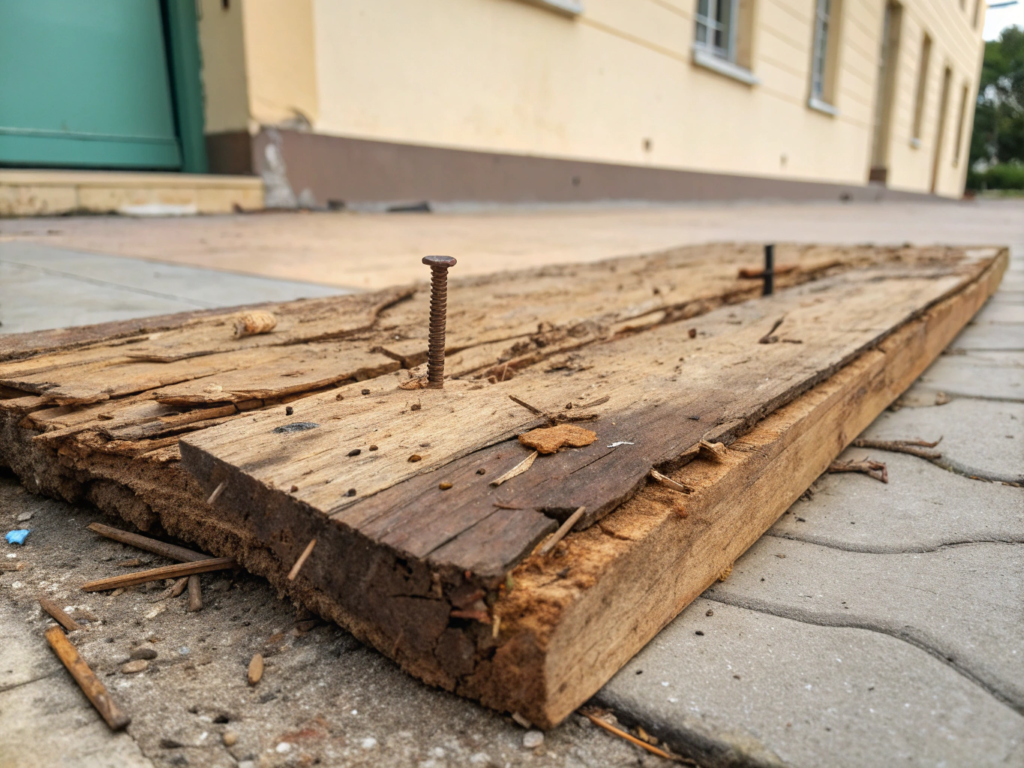
Rotting is not an automatic process. It depends on environmental conditions, material type, and whether protective treatments were applied. With proper care and installation practices, plywood can resist rot for decades. Without it, biological decay can set in quickly.
What causes plywood to rot?
Rot in plywood is a biological process caused by fungal organisms that thrive in moist environments.
Plywood rots when wood fibers stay damp long enough for fungi to break down the cellulose structure, especially when ventilation is poor.
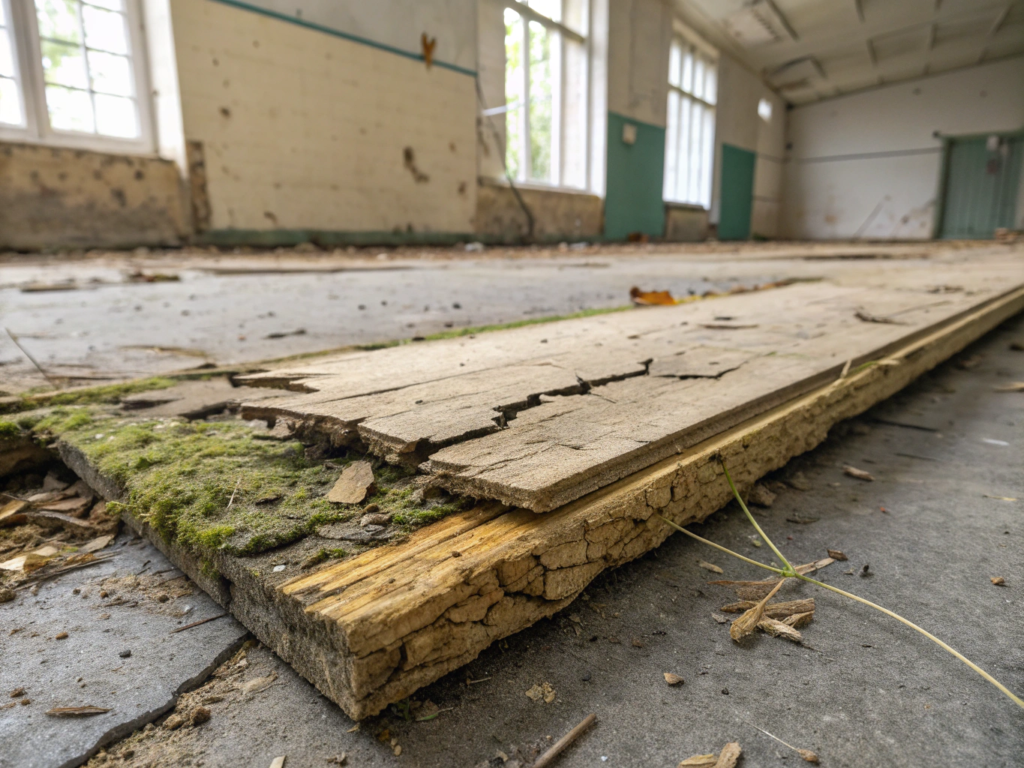
Moisture and humidity exposure
Sustained moisture is the single biggest contributor. This can come from leaks, condensation, ground contact, or unsealed edges. The longer the panel remains wet, the higher the risk.
Lack of airflow and drainage
Rot accelerates in areas without ventilation. Trapped moisture inside wall cavities or under flooring creates ideal fungal growth conditions.
How can the lifespan of plywood be extended?
Preventing rot involves both selecting the right material and ensuring proper installation.
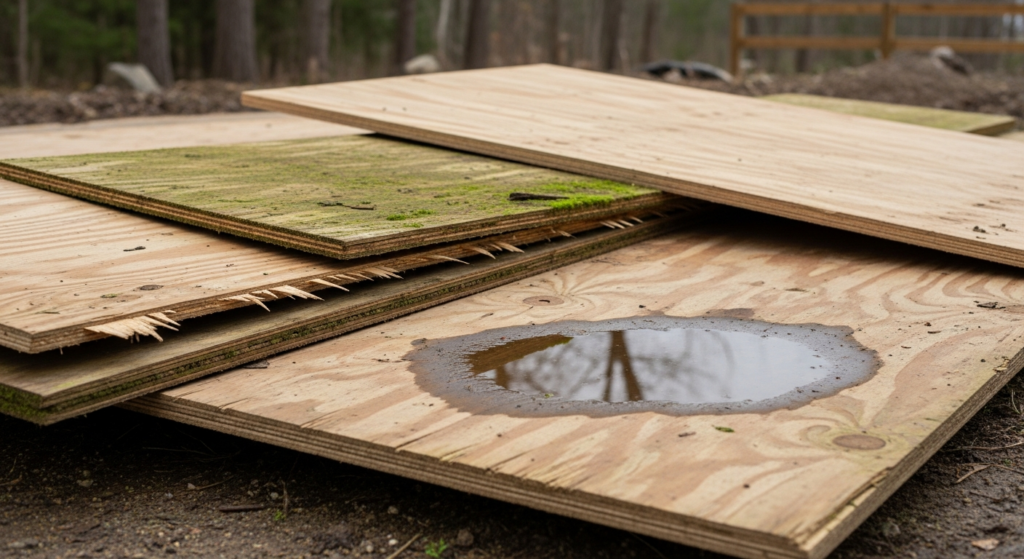
Using treated or marine-grade plywood, sealing all surfaces, and installing with drainage and airflow provisions extends service life dramatically.
Material selection
Marine-grade plywood or panels treated with preservatives resist decay. These products use waterproof adhesives and rot-resistant core veneers.
Protective coatings
Applying paint, sealant, or waterproof membranes to surfaces and edges creates a barrier against water ingress. This is especially important in bathrooms, kitchens, and outdoor settings.
What are early signs of plywood rot?
Timely identification of decay helps avoid structural failure and allows for local repairs.
Signs of rot include soft spots, discoloration, a musty odor, warping, or surface mold on plywood surfaces.
Visual indicators
Dark staining, bubbling finishes, and surface swelling often accompany hidden rot. At edges, layers may begin to separate or crumble.
Tactile signs
Softness under hand pressure or loose fasteners indicate compromised internal structure. In advanced cases, entire sheets may delaminate or collapse under load.
What conditions accelerate plywood deterioration?
Certain environments are more aggressive toward plywood than others.
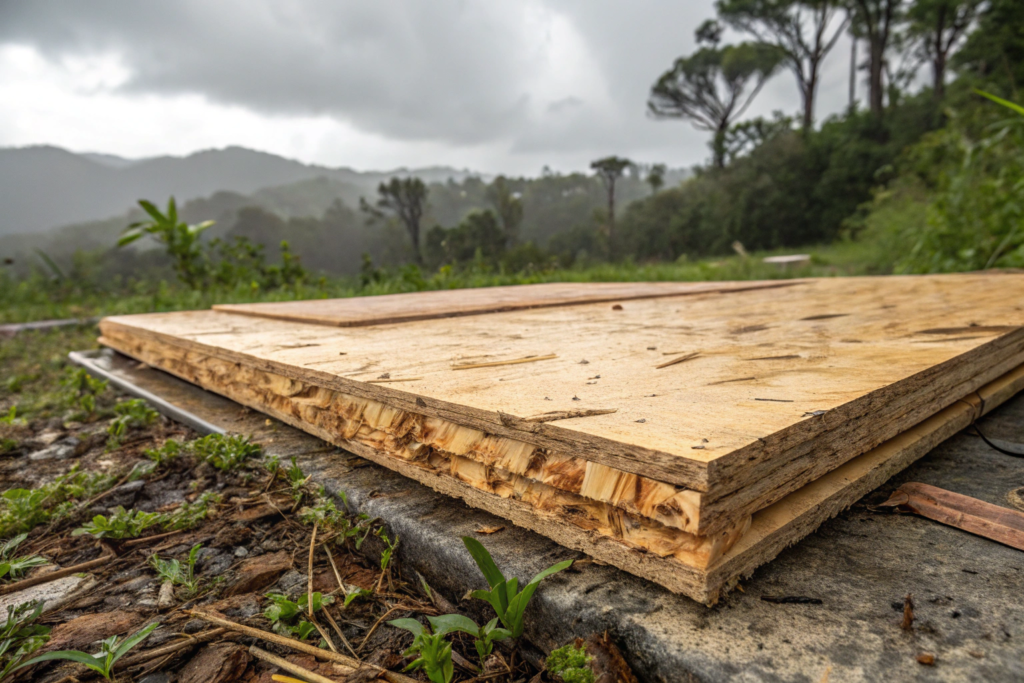
Consistent moisture exposure, tropical climates, shaded outdoor areas, and installation over soil all significantly speed up rot development.
Soil contact and splash zones
Plywood used near the ground without separation quickly absorbs moisture. Rain splash, standing water, and ground vapor make such locations high-risk.
Enclosed or humid areas
Improperly ventilated basements, crawl spaces, or wall cavities allow moisture buildup. Without air movement, fungal spores thrive on damp plywood surfaces.
How do professional factories improve plywood resistance to rot?
Manufacturing controls and material treatments directly impact rot resistance.
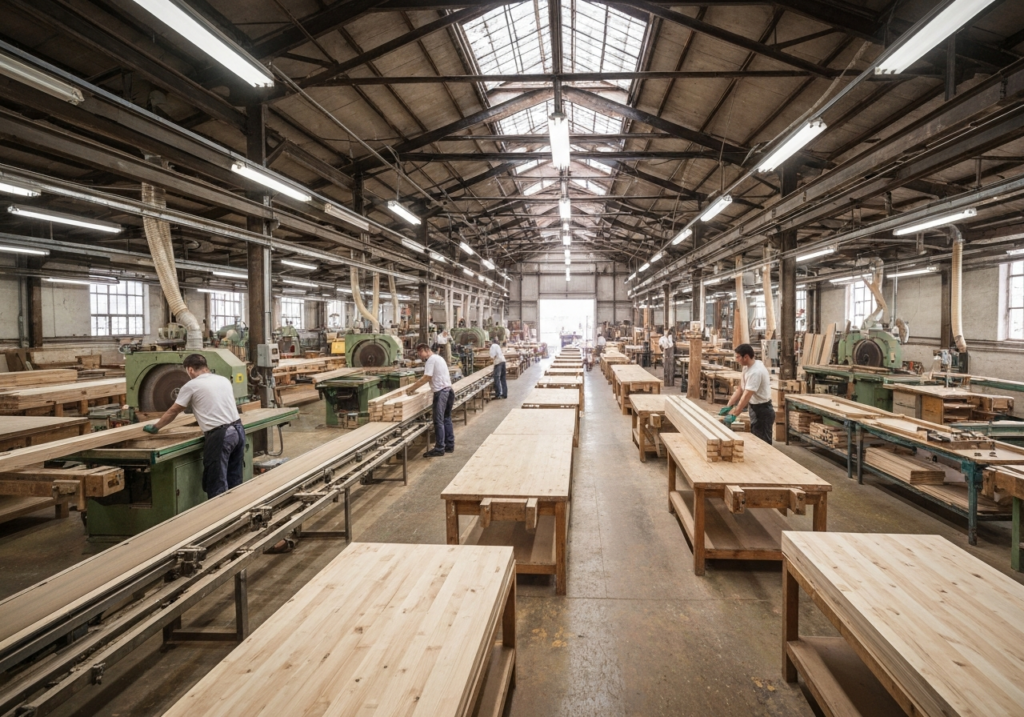
Factories use moisture-calibrated veneers, waterproof resin systems, and preservative impregnation to enhance plywood’s durability in challenging environments.
Resin and adhesive technology
Phenol-formaldehyde adhesives used in marine and exterior plywood remain stable even under wet conditions. Correct curing cycles and resin application are critical for waterproof performance.
Preservative treatments and sealing
Pressure treatment with borate or copper-based preservatives extends resistance to fungal attack. Edge sealing and coating lines apply protective layers uniformly before packaging.
How should plywood be installed to avoid early decay?
Installation quality is just as important as material quality.
Avoid direct ground contact, seal all exposed edges, allow for expansion gaps, and ensure proper drainage and airflow in all installations.
Ventilated assemblies
In cladding and subflooring, airflow must be maintained behind panels to reduce trapped moisture. This limits condensation and increases drying capacity.
Fastener and flashing considerations
Use corrosion-resistant fasteners and integrate flashing systems to redirect water. Unprotected joints or gaps are common moisture entry points.
Conclusion
Plywood can resist rot for many years if installed and maintained properly. In poorly ventilated, wet, or ground-level settings, untreated plywood may begin rotting within a few months to two years. Selecting the correct plywood grade, sealing it against moisture, and ensuring professional installation greatly extends its service life. Manufacturing quality—including adhesive formulation and edge protection—adds further durability. In any long-term application, managing moisture and allowing ventilation remain the most critical strategies for preventing plywood rot.