
MDF is widely used in furniture, cabinetry, and interior components due to its uniform texture and smooth surface. Proper preparation is key to achieving strong adhesive bonds between panels.
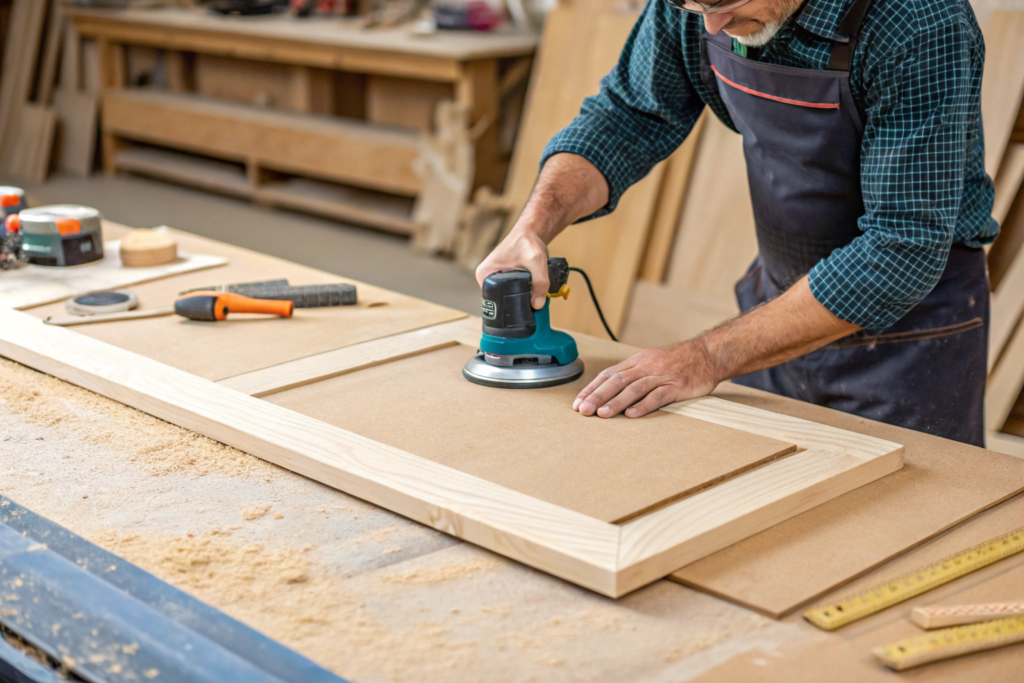
Light sanding of MDF before gluing is recommended to remove surface glaze, enhance porosity, and ensure better glue absorption for stronger adhesion.
Although MDF appears smooth, its outer surface can become sealed during production or handling, reducing its ability to absorb adhesives effectively. A brief sanding process restores bonding quality without damaging the core material.
Why is sanding necessary before gluing MDF?
Sanding ensures that the adhesive forms a strong mechanical grip on the MDF surface.
MDF’s surface can be slick or compressed, which prevents glue from penetrating. Sanding creates micro-texture for improved bonding.
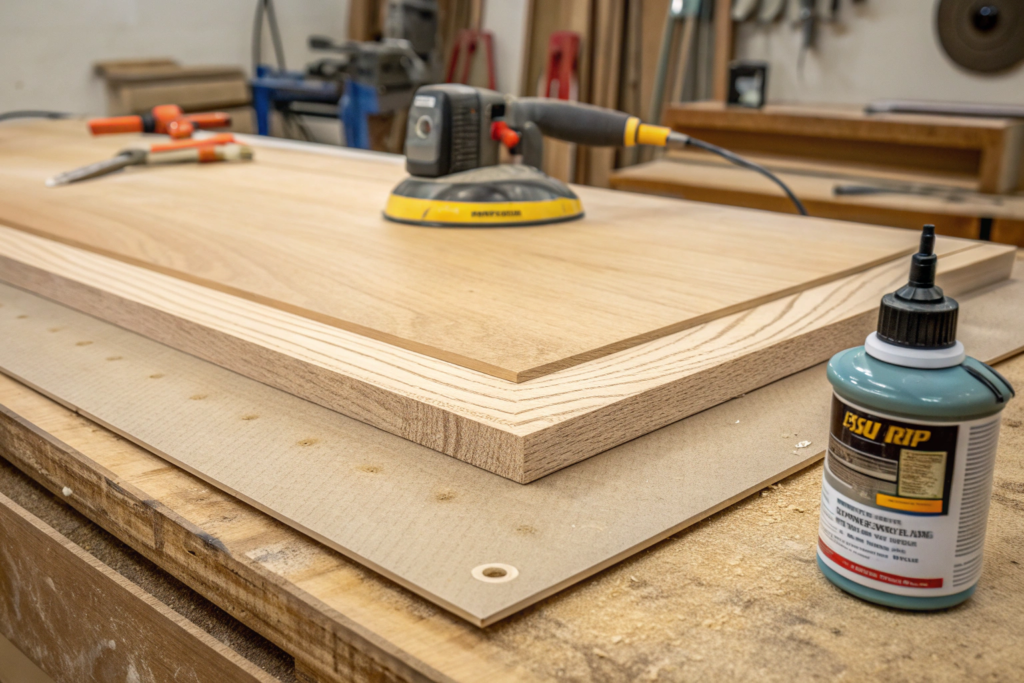
Surface polishing in production
During manufacturing, MDF passes through high-pressure rollers, creating a dense, sometimes glossy outer layer. This may resist glue bonding if left untouched.
Dust and handling residue
Oils from hands, warehouse dust, or cutting residue can interfere with glue. Sanding removes contaminants and evens out surface inconsistencies.
What is the correct method for sanding MDF before gluing?
Effective sanding prepares the panel without compromising its structure or causing fiber damage.
Use 120–180 grit sandpaper for light surface abrasion, sanding uniformly and avoiding deep cuts or edge rounding.
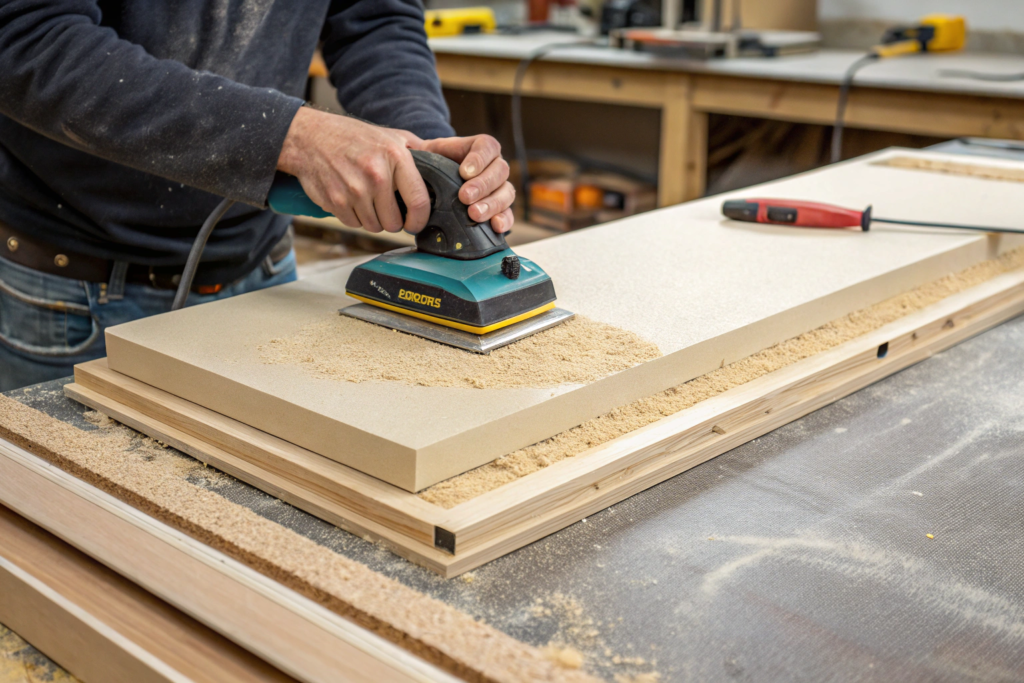
Sanding tools and technique
Manual sanding blocks or orbital sanders work best for light passes. Avoid over-sanding, which may open the surface excessively or generate loose fibers.
Cleaning post-sanding
After sanding, MDF must be wiped with a dry cloth or air-blown to remove all dust. Dust left on the surface can reduce adhesive grip.
How does sanding affect glue performance?
The strength and consistency of glued joints improve significantly with proper surface preparation.
Sanded MDF accepts glue more uniformly, leading to better penetration, faster curing, and reduced bond failure risk.
Increased surface area
Sanding adds microscopic texture, increasing surface area for the adhesive to bond. This results in stronger glue lines, especially for edge gluing.
Reduced bond failure
Panels glued without sanding may separate under stress or moisture changes. Sanded surfaces produce more consistent and durable results.
Should edges be sanded as well?
Edges of MDF absorb glue differently and need special attention.
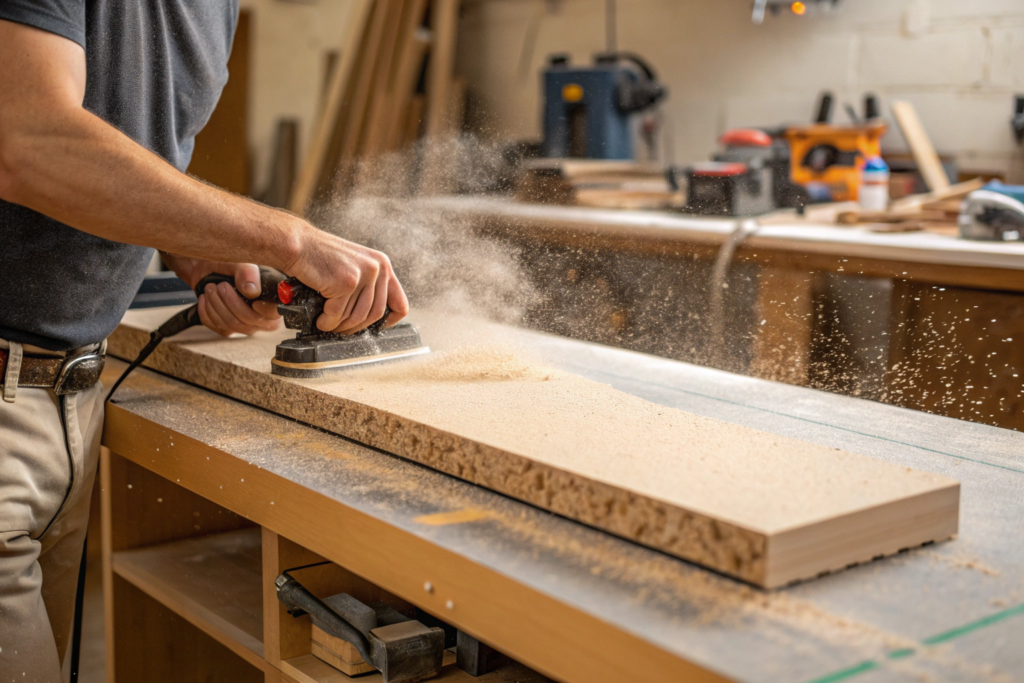
Edges should be lightly sanded and sometimes sealed with glue sizing to prevent over-absorption and weak bonding.
High absorbency
The open-fiber nature of MDF edges causes excessive glue soaking, leading to dry joints. Light sanding smooths these fibers for more balanced absorption.
Pre-treatment options
A diluted glue mix can be applied as a sealer before the final adhesive layer. This technique limits soak-in and preserves bonding strength.
How is surface prep handled in factory gluing lines?
In automated production environments, sanding and dust removal are built into the gluing workflow.
Factories use calibrated sanding machines and high-efficiency vacuum systems to ensure uniform bonding surfaces on MDF panels.
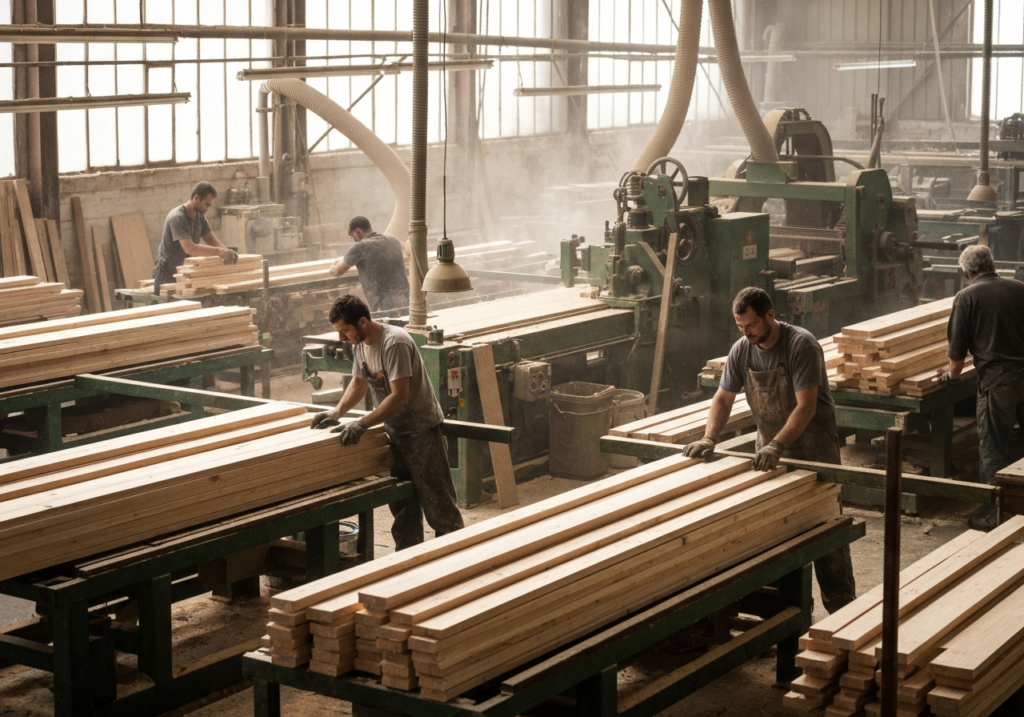
Pre-gluing process
Before glue application, panels pass through wide belt sanders set to remove the top surface glaze. These machines operate under controlled feed speeds and pressures.
Integrated dust control
Sanding lines are followed by vacuum stations or ionized air jets to eliminate residual particles, which would otherwise interfere with glue performance.
What types of glue benefit from sanding MDF?
Almost all woodworking adhesives require a receptive surface for full effectiveness.
PVA, polyurethane, and contact adhesives all bond more reliably when applied to properly sanded MDF.
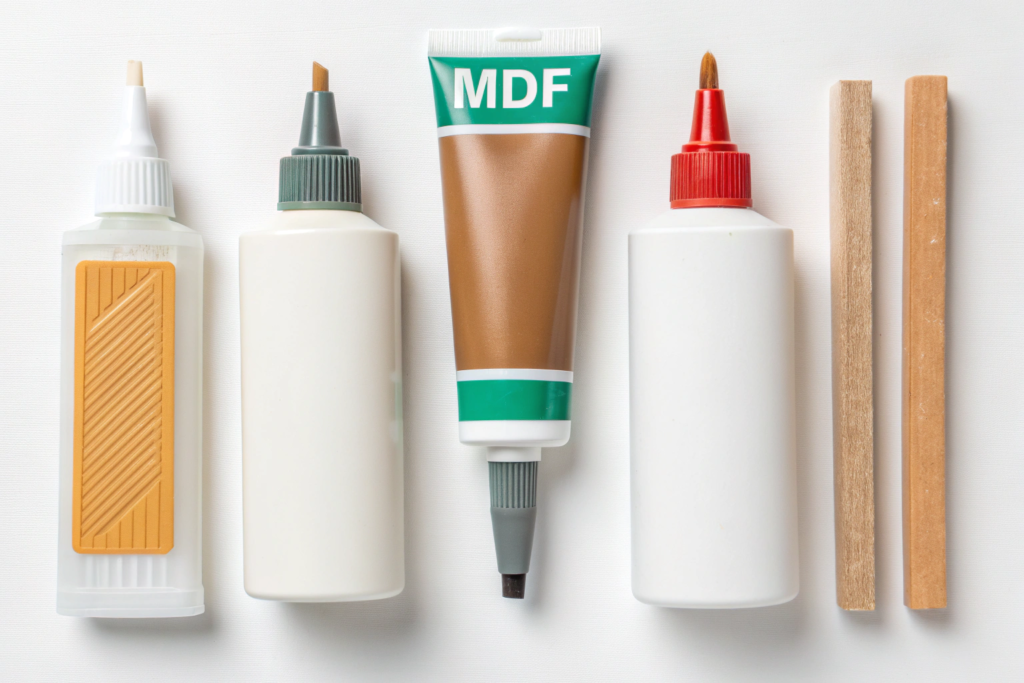
Compatibility improvement
PVA glue, in particular, penetrates better after light sanding, improving joint stability. Polyurethane glue also performs better when surface resistance is reduced.
Adhesive consistency
Uneven surfaces or gloss-sealed MDF may cause adhesive beading or sliding. Sanding improves initial tack and hold, especially in vertical applications.
Conclusion
Sanding MDF before gluing is a crucial step in ensuring long-term bond strength, especially for precision joinery, cabinetry, and furniture construction. By removing surface glaze and contaminants, sanding enhances glue penetration and curing efficiency. Edges benefit from light abrasion and optional pre-sealing to manage absorption. In industrial settings, automated sanding and cleaning systems create ideal bonding conditions. Whether using PVA, polyurethane, or contact adhesives, proper surface preparation significantly improves adhesion quality and reduces the likelihood of joint failure.