
MDF is widely used for furniture, cabinetry, and interior design elements due to its smooth finish and workability. Adhesive selection plays a critical role in ensuring strong joints and long-term stability.
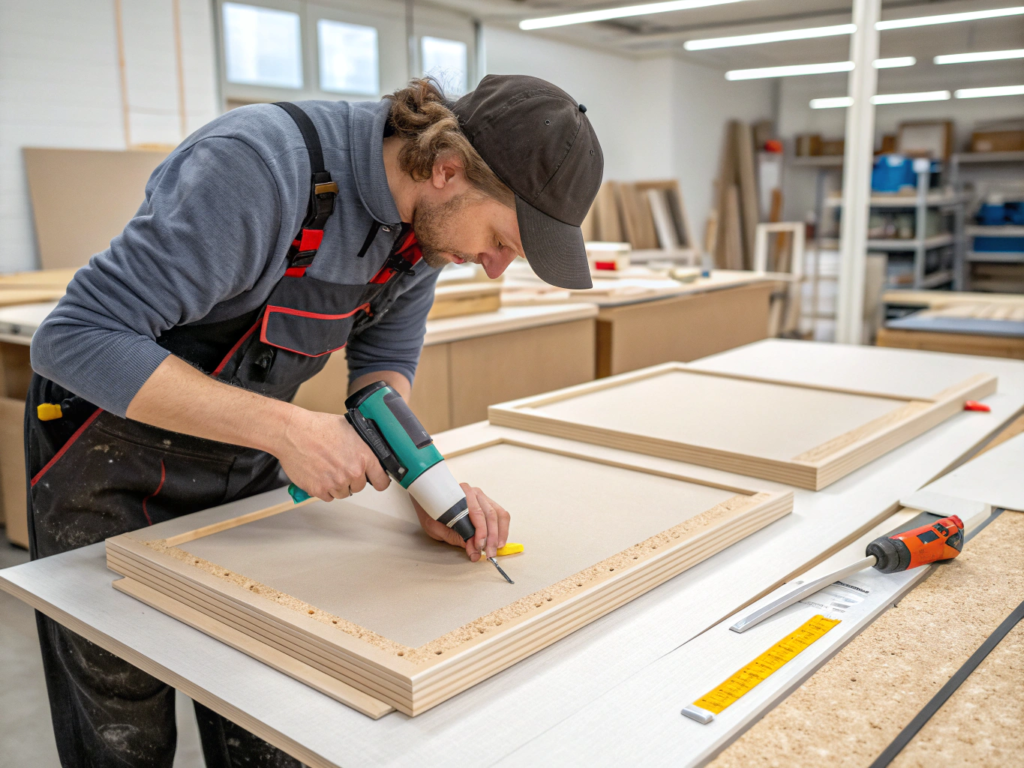
PVA glue is suitable for bonding MDF, provided the surfaces are clean, clamped tightly, and the glue is given adequate time to cure. Proper application techniques are key to achieving durable bonds.
PVA (polyvinyl acetate) is a common woodworking adhesive known for ease of use, cost-effectiveness, and compatibility with porous materials. MDF, being made of fine wood fibers, bonds well with PVA when clamped properly to minimize joint movement during drying.
Why does PVA work with MDF?
The composition of MDF allows deep glue penetration, creating effective adhesion when combined with the right glue properties.
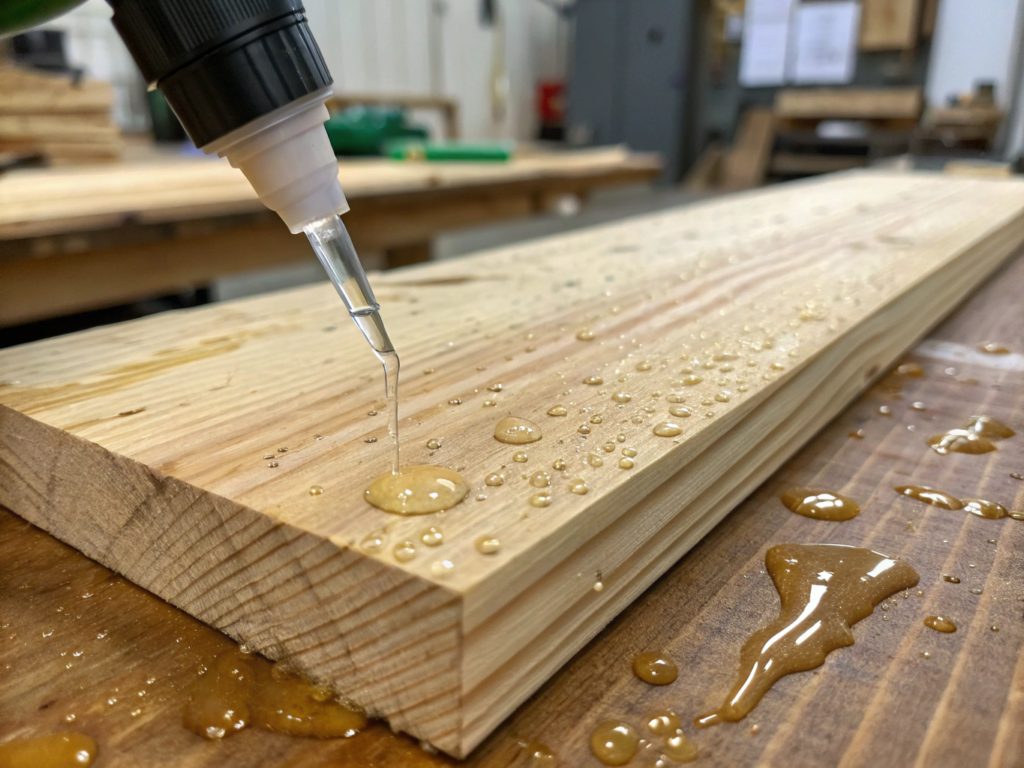
MDF’s fiber-based structure absorbs PVA into the surface, enhancing bond strength when clamped and cured under consistent pressure.
Porosity and absorption
MDF’s high porosity allows adhesives to soak into the surface, forming interlocking bonds with the wood fibers. This property benefits PVA glues, which are designed for water-based penetration.
Surface compatibility
The smooth, uniform nature of MDF provides consistent bonding surfaces with minimal gaps. When applied with a roller or brush, PVA spreads evenly and adheres firmly across the board.
What are the application steps for gluing MDF with PVA?
Proper bonding relies on both preparation and technique.
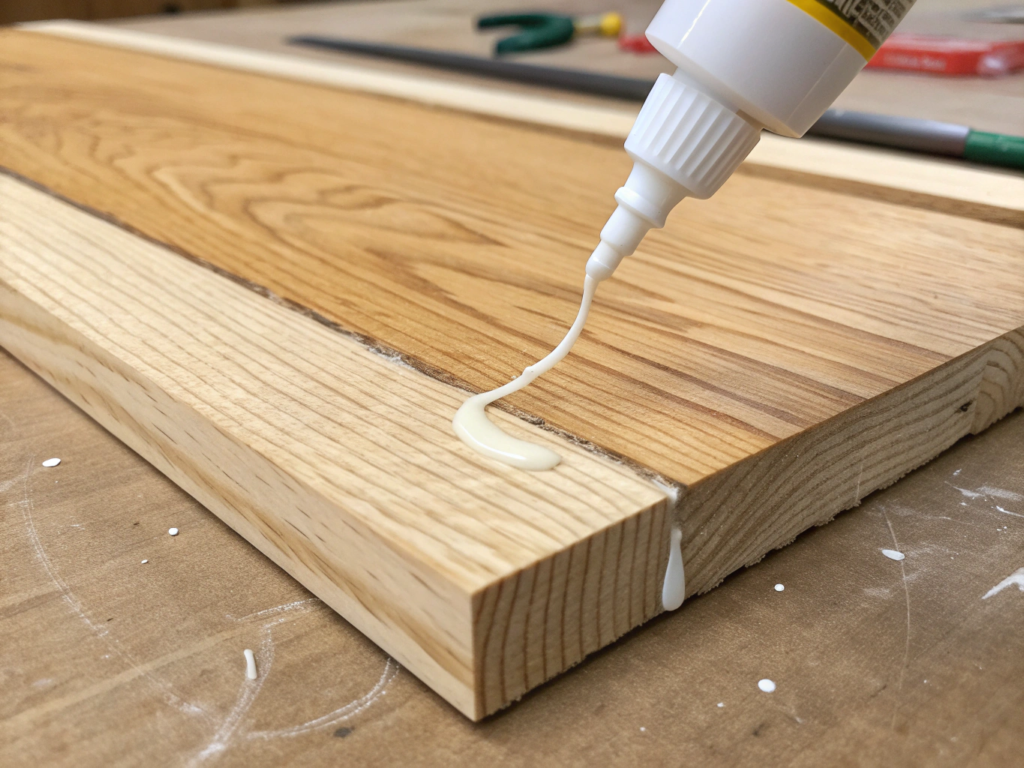
Apply glue evenly, clamp surfaces tightly, and allow sufficient curing time of 12–24 hours to ensure strong, lasting joints.
Surface preparation
Ensure both MDF surfaces are free of dust or loose fibers. Light sanding may improve adhesion. Avoid over-saturating the ends, as these are highly absorbent.
Clamping and curing
Use even clamping pressure across the joint. Avoid fasteners until the glue sets fully. For thick or structural panels, longer curing times increase bond reliability.
What are the limitations of using PVA on MDF?
While effective, PVA has certain boundaries in performance.
PVA glue is not waterproof and may weaken in high-humidity or outdoor environments. It also requires tight clamping for best results.
Environmental limitations
Exposure to moisture or temperature swings can degrade cured PVA bonds. Applications in bathrooms or near sinks require waterproof or crosslinked variants.
Joint strength and precision
Loose-fitting joints or minimal contact area may result in weaker bonds. PVA works best on joints with wide contact surfaces, such as edge-to-face or butt joints.
Are there better glue alternatives for certain MDF applications?
Specific use cases may benefit from specialized adhesives.
Urea-formaldehyde, polyurethane, and epoxy adhesives offer improved resistance, gap filling, or water protection depending on the project requirements.
Application-driven choices
Polyurethane glue expands to fill gaps, making it suitable for uneven MDF surfaces. Epoxy offers high strength in load-bearing joints. Urea-formaldehyde is often used in laminated board production.
Safety and handling
Each adhesive type has handling considerations. Solvent-based glues require ventilation. Curing times and temperatures vary, affecting workflow in large-scale production lines.
How is PVA used in MDF production facilities?
In factory settings, PVA remains a primary adhesive for non-structural joints and interior components.
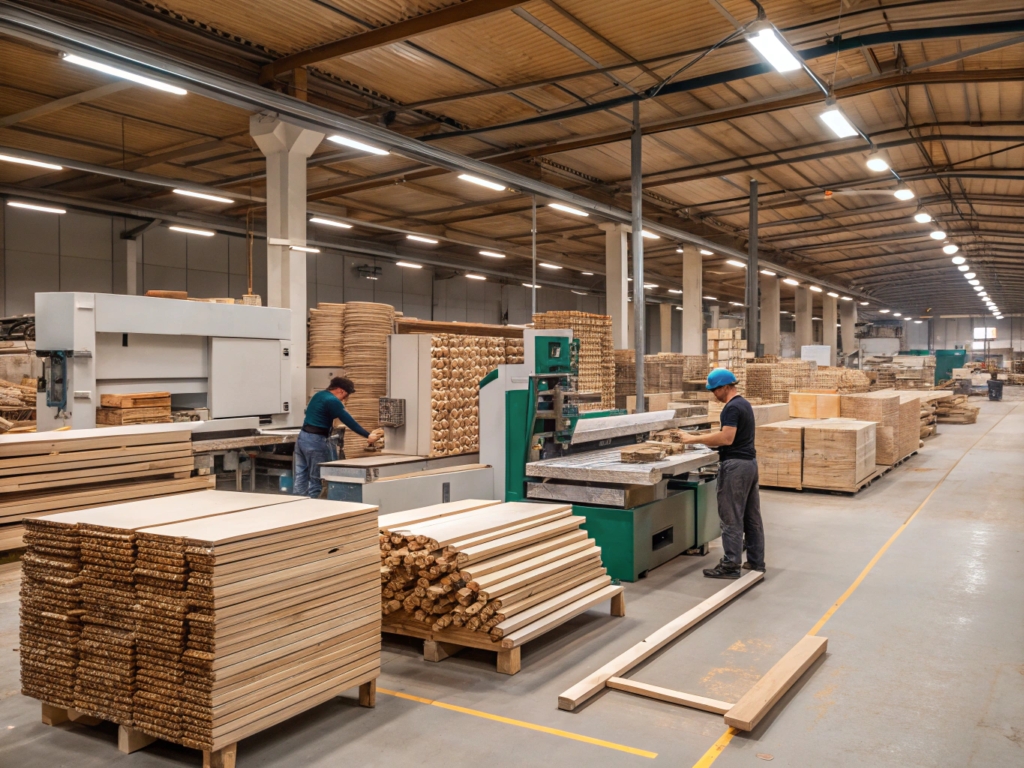
Automated glue rollers apply precise amounts of PVA, followed by pressing machines that ensure consistent curing under controlled heat and pressure.
Pressing and calibration
CNC-controlled pressing lines hold MDF assemblies under uniform pressure. Heating systems accelerate curing without overheating the core. This reduces cycle times and increases joint stability.
Glue performance testing
Panels are randomly selected for shear and pull testing after cure cycles. Consistent bond strength confirms glue spread, clamping pressure, and resin formulation were applied correctly.
How to enhance bond strength with PVA on MDF?
Several techniques help improve the reliability of MDF joints glued with PVA.
Double-gluing, using appropriate clamping fixtures, and pre-sealing edges increase PVA bond strength and durability in MDF applications.
Pre-gluing and edge sealing
End grain and edges of MDF absorb glue rapidly. Applying a first thin coat and allowing partial soak-in before a second application reduces absorption loss.
Clamping design
Using cauls, parallel clamps, or flat panels ensures pressure is distributed evenly. This minimizes glue line gaps and improves surface adhesion.
Conclusion
PVA glue is widely used for bonding MDF due to its compatibility, affordability, and ease of use in both manual and automated settings. While suitable for most interior applications, it must be applied carefully, with proper clamping and curing. For high-humidity environments or structural applications, alternative adhesives may be more appropriate. In manufacturing, precision equipment and controlled glue dosing ensure reliable joints. By using good surface preparation, clamping techniques, and optional pre-sealing, the bond strength of PVA-glued MDF can meet the demands of furniture, cabinetry, and architectural interiors. With proper handling, it remains a dependable and scalable solution across projects.