
Plywood is frequently removed during renovation, dismantling, or repurposing of structures. While some of these panels appear aged, they can retain mechanical strength and value if properly evaluated.
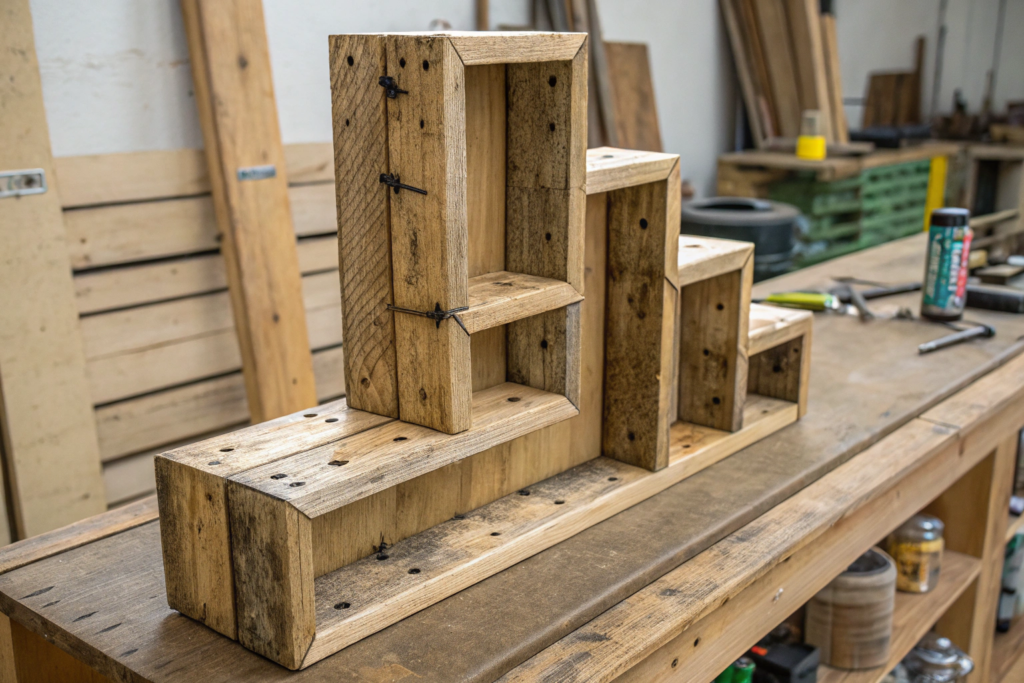
Old plywood can be reused when it remains dry, flat, and free from delamination, mold, or structural failure. Suitable for non-load-bearing uses, reclaimed plywood reduces waste and supports resource efficiency.
In production facilities, workshops, and construction environments, discarded plywood often accumulates. Before disposal, evaluation of surface integrity, internal bonding, and contamination level determines reuse potential. Material with acceptable physical characteristics can serve reliably in new roles with minor adjustments.
What physical conditions determine reuse potential?
The reuse of old plywood depends on a systematic inspection of its structural and surface integrity.
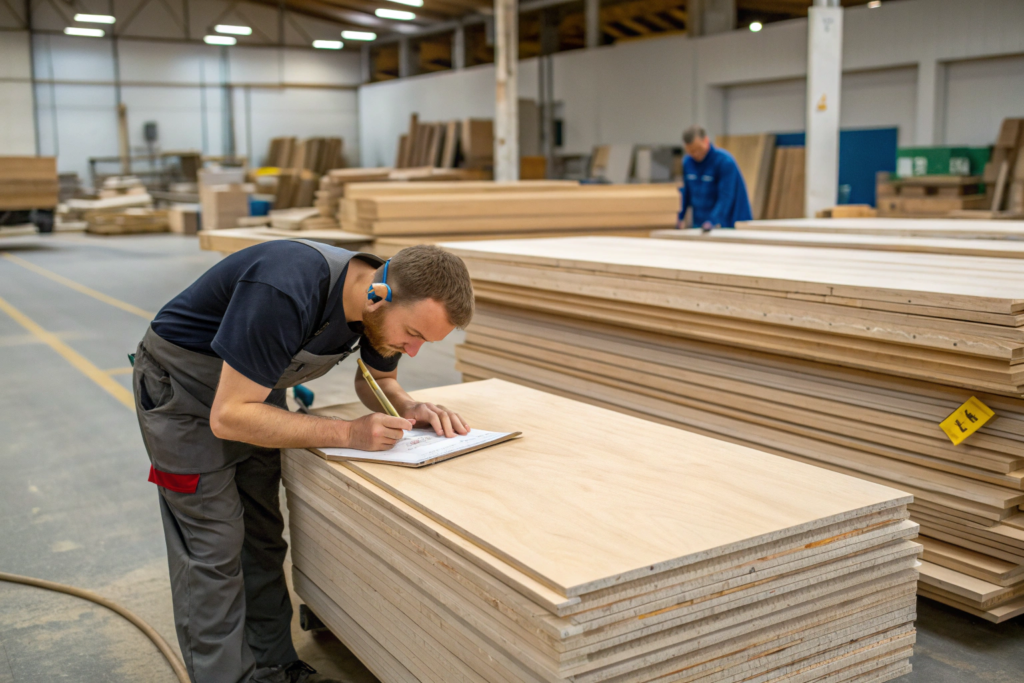
Panels that are visibly flat, dry, and free of mold or deep cracks can often be reused in secondary applications.
Structural soundness
Screw-holding ability and core stiffness must be tested. Bending under minimal load or visible delamination suggests fiber breakdown. Intact edges and consistent surface hardness support reuse.
Surface and moisture condition
Plywood must be free from rot, mold, and moisture absorption. Discoloration or spongy feel indicates biological or water damage. Only dry panels should proceed for refinishing or secondary installation.
Where can reclaimed plywood be applied?
Once verified, aged plywood can serve effectively in multiple low-risk applications.
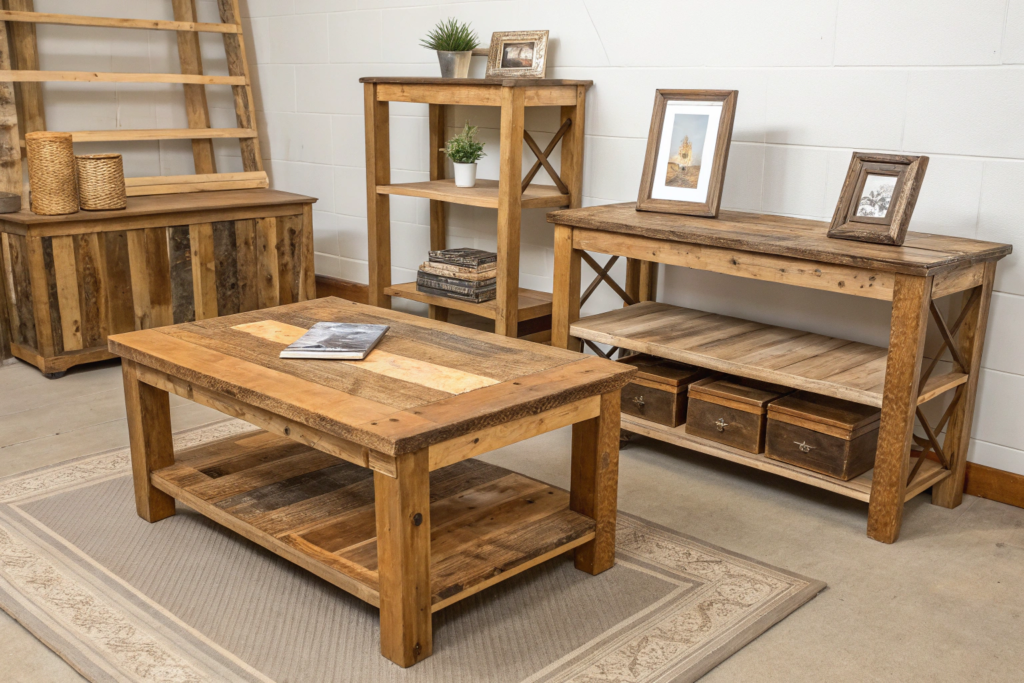
Reclaimed plywood performs well in storage, packaging, decorative structures, furniture carcasses, and workshop fabrication tasks.
Indoor installation
Plywood panels can be reused as backboards, shelving, partitions, or wall panels in dry interior spaces. It is often repurposed in temporary exhibits, construction hoarding, or packing platforms.
Workshop and craft use
Panels with strong cores are valuable in workbench tops, tool racks, or jig bases. Slight warping can be corrected through re-pressing or lamination techniques for more precise builds.
When should plywood be rejected from reuse?
If critical performance metrics are not met, reuse may pose a safety or quality risk.
Plywood showing advanced delamination, deep surface damage, fungal contamination, or structural weakness must be discarded.
Load failure indicators
Loss of stiffness, splitting under weight, or fastener pull-out reflect compromised bonding. Such material lacks the structural stability needed even for light-duty secondary use.
Health and hygiene risks
Dark spotting, odor, or active mildew growth signal contamination. These panels should be excluded from any reuse to avoid downstream health hazards, particularly in indoor installations.
How can old plywood be restored for reuse?
Many aged panels benefit from surface refinishing, edge trimming, and sealing procedures.
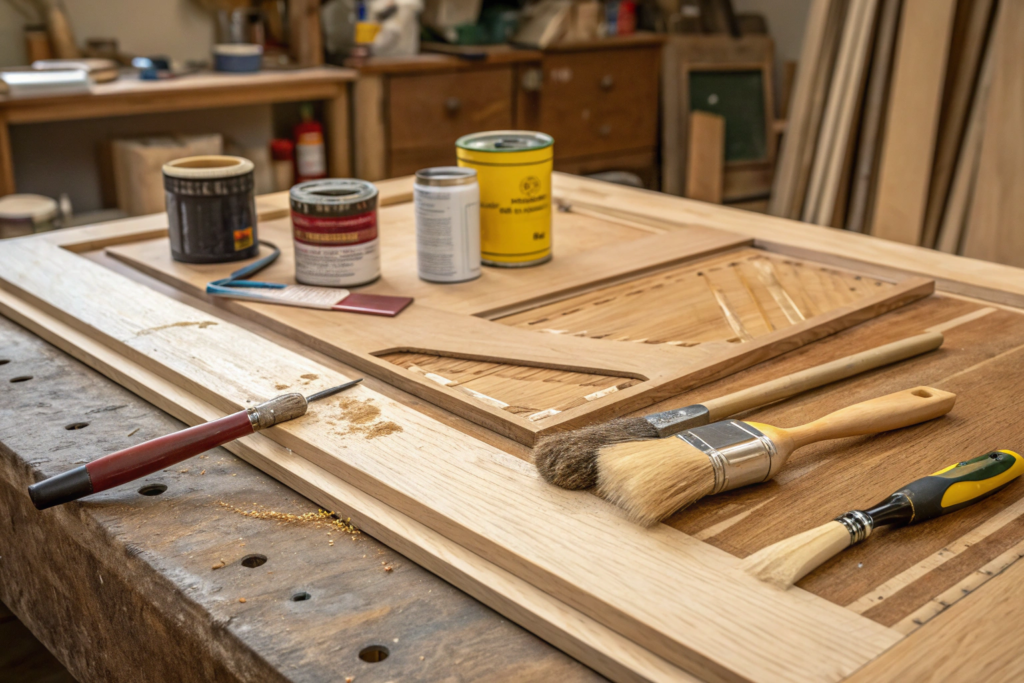
Surface sanding, sealing with wood preservatives, filling gaps, and reinforcing edges help revive older plywood for non-structural use.
Surface processing
Old coatings, residues, and grime are removed through sanding. Application of water-resistant coatings prevents renewed moisture penetration. Gaps are treated with fillers or sealant compounds.
Structural enhancement
Thin plywood can be laminated onto compromised panels to regain thickness and rigidity. Edge bands or perimeter framing helps resist delamination and corner damage during reuse cycles.
How do factories manage internal reuse of plywood?
In manufacturing environments, material efficiency and waste reduction are achieved through reuse of offcuts and post-process panels.
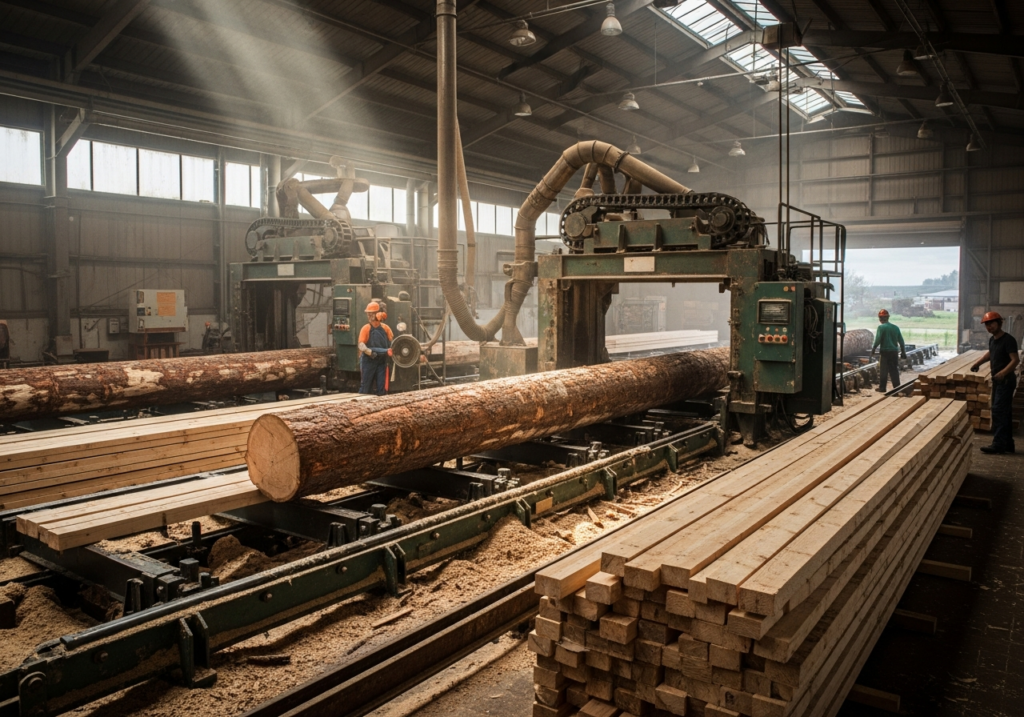
Factories integrate reclaimed plywood into production for transport pallets, jigs, fixture substrates, or internal partitioning systems.
Workshop recycling practices
Residual plywood is sorted and dimensioned for fixture use or support tables. Automation tooling platforms often utilize reused plywood due to dimensional stability and surface hardness.
Resource conservation and compliance
Factories with environmental protocols classify usable waste panels for in-house fabrication. Scrap plywood is ground into chips for panel core mix or used as boiler fuel in closed-loop energy systems.
Conclusion
Old plywood can be reused under specific conditions: it must be structurally intact, uncontaminated, and suitable for non-critical roles. When properly inspected and treated, reclaimed plywood serves in shelving, partitions, temporary structures, and workshop support. Restoration methods such as sanding, sealing, and reinforcement allow the material to maintain function and reduce material costs. Factories committed to sustainable production reuse plywood internally, turning waste into productive components or energy. Incorporating reclaimed panels into appropriate settings minimizes landfill use and aligns with efficient material cycles in construction and manufacturing. For projects that do not demand certified structural properties, reused plywood remains a reliable and resource-conscious material choice.