
Plywood often faces scrutiny for its layered structure, but when manufactured correctly, it offers a reliable and long-lasting material solution.
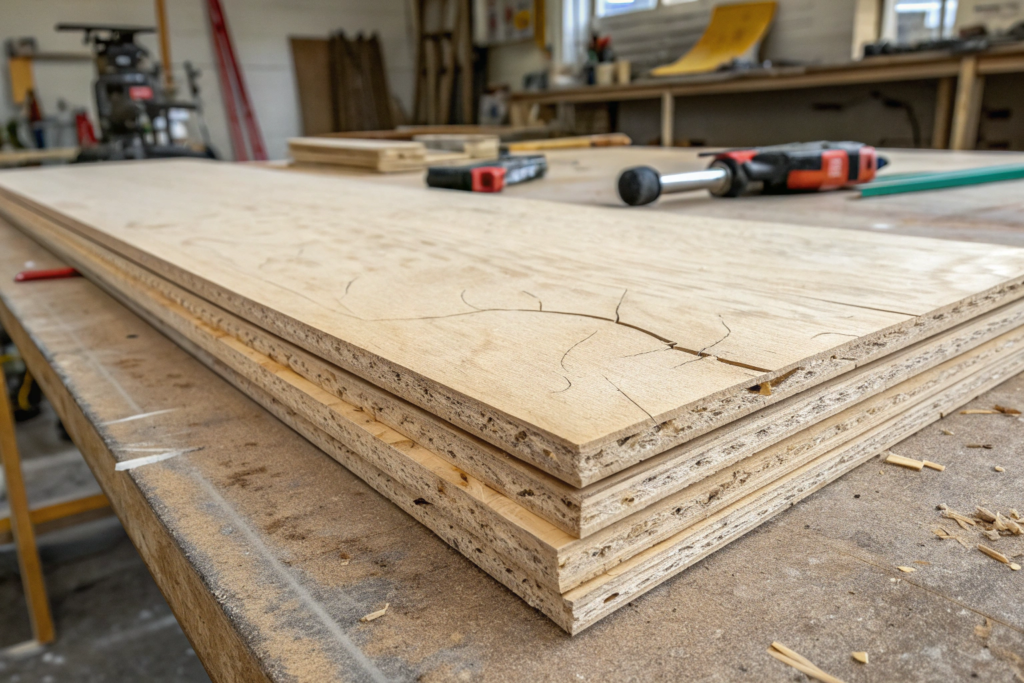
High-quality plywood can last for decades, especially when manufactured with superior adhesive technology, treated core veneers, and proper sealing techniques that resist moisture, insects, and warping.
In most applications, plywood demonstrates durability that exceeds expectations. The key lies in material quality, production control, and end-use protection. Plywood used in outdoor environments requires additional treatment, while indoor grades can remain structurally sound for decades under controlled conditions.
What factors affect the lifespan of plywood?
Material degradation can often be traced to environmental exposure or poor manufacturing processes.
Plywood durability depends on raw material selection, glue line strength, panel density, and environmental exposure to moisture, temperature, and load-bearing stress.
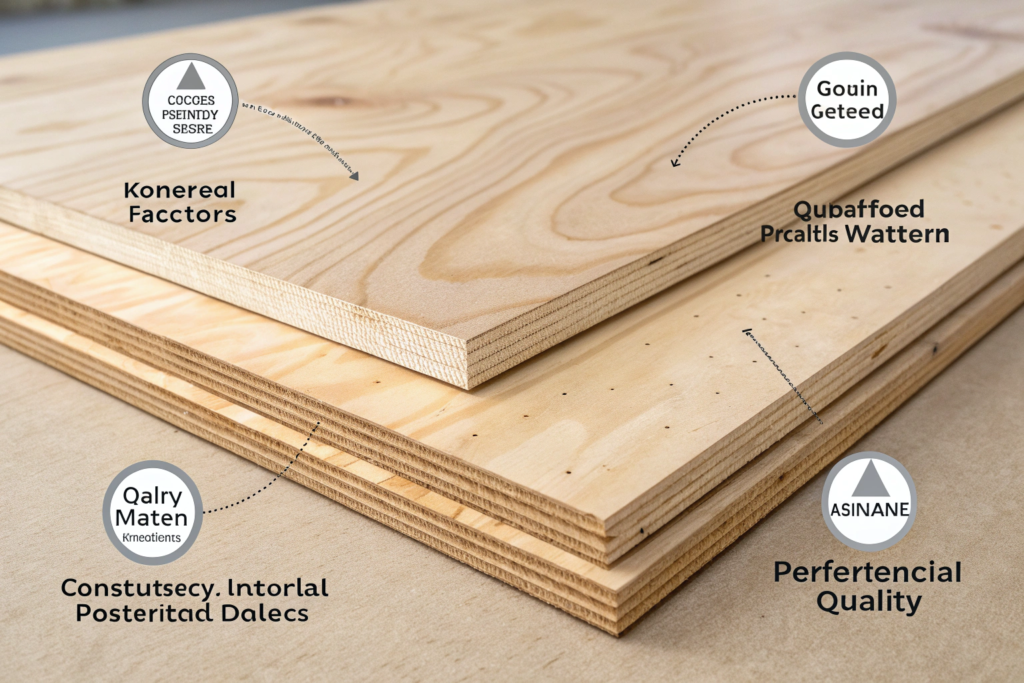
Core veneer selection and grading
The type and grade of the core veneers directly impact the panel’s integrity. High-grade hardwood or plantation-grown softwood cores resist splitting and maintain their structure under stress. Inconsistent core quality leads to early delamination. Each core veneer must undergo a drying process to ensure uniform moisture content, reducing internal movement that could lead to panel warping.
Resin system and pressing process
Adhesives used in plywood must be resistant to both heat and water. Phenol-formaldehyde glue systems offer superior waterproofing and are common in marine and exterior-grade plywood. The hot-pressing process plays a crucial role. Uniform pressure ensures deep resin penetration, eliminating air gaps and increasing structural strength.
How does plywood perform in outdoor use?
Extended outdoor use tests plywood’s ability to resist swelling, fungal attack, and UV exposure.
Plywood used outdoors must be manufactured with waterproof adhesive, durable face veneers, and treated cores to prevent rot, delamination, and insect infestation.
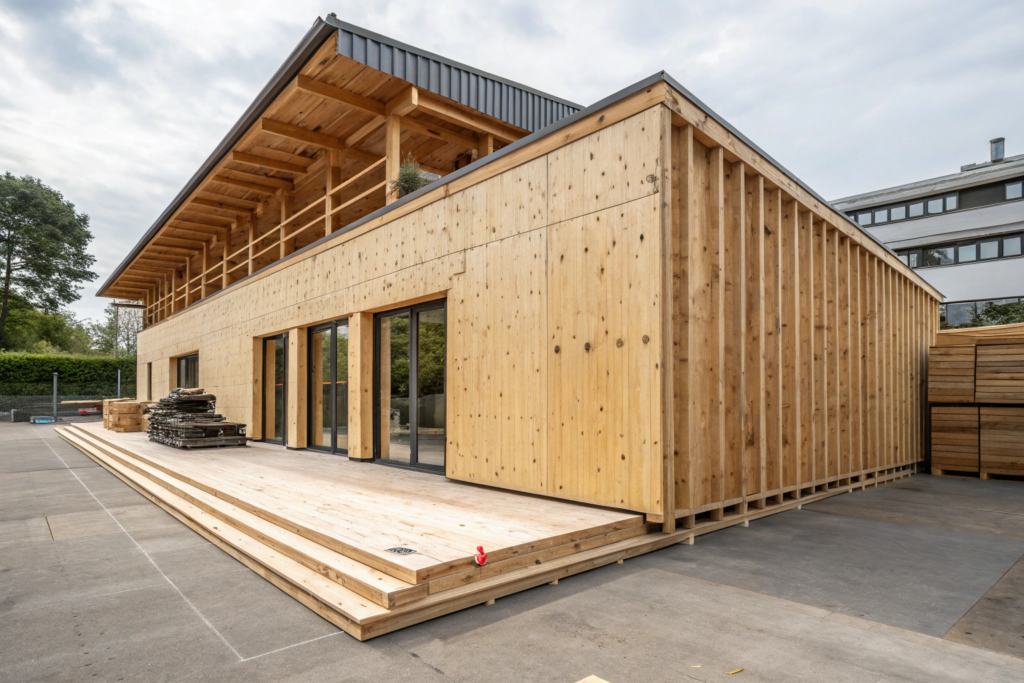
Treatment and coating
To improve outdoor lifespan, plywood often undergoes preservative treatments such as copper-based solutions or pressure treatment. After treatment, UV-resistant coatings or waterproof paints are recommended. These sealants reduce direct water ingress and surface degradation. Regular maintenance, such as resealing every few years, helps extend panel service life.
Edge sealing and installation techniques
The panel’s edges are the most vulnerable to moisture penetration. Manufacturers apply edge sealants to block capillary action. During installation, avoiding direct ground contact, leaving proper expansion gaps, and using stainless steel fasteners reduce long-term damage.
How important is manufacturing precision?
Every step in the production process—from log cutting to hot pressing—impacts panel quality.
Manufacturing precision ensures panel uniformity, consistent thickness, and reduced internal stresses that contribute to long-term durability.
Veneer drying and calibration
Logs are peeled and then veneers are dried to a uniform moisture content, typically around 8-12%. Over-drying can lead to brittle layers, while under-drying causes glue adhesion failure. Calibrated pressing ensures thickness consistency across the panel, reducing weak points that lead to bending or breakage.
Quality control systems
In professional-grade plywood factories, computer-controlled hot presses monitor pressure, temperature, and time for every panel. Post-pressing, each batch undergoes modulus of rupture (MOR) and modulus of elasticity (MOE) testing. Defective panels are rejected or downgraded to maintain consistent product reliability.
What role does veneer species play in longevity?
Species choice affects mechanical strength, decay resistance, and compatibility with adhesives.
Hardwood species like eucalyptus or birch offer superior strength and resistance to deformation compared to fast-growing softwoods.
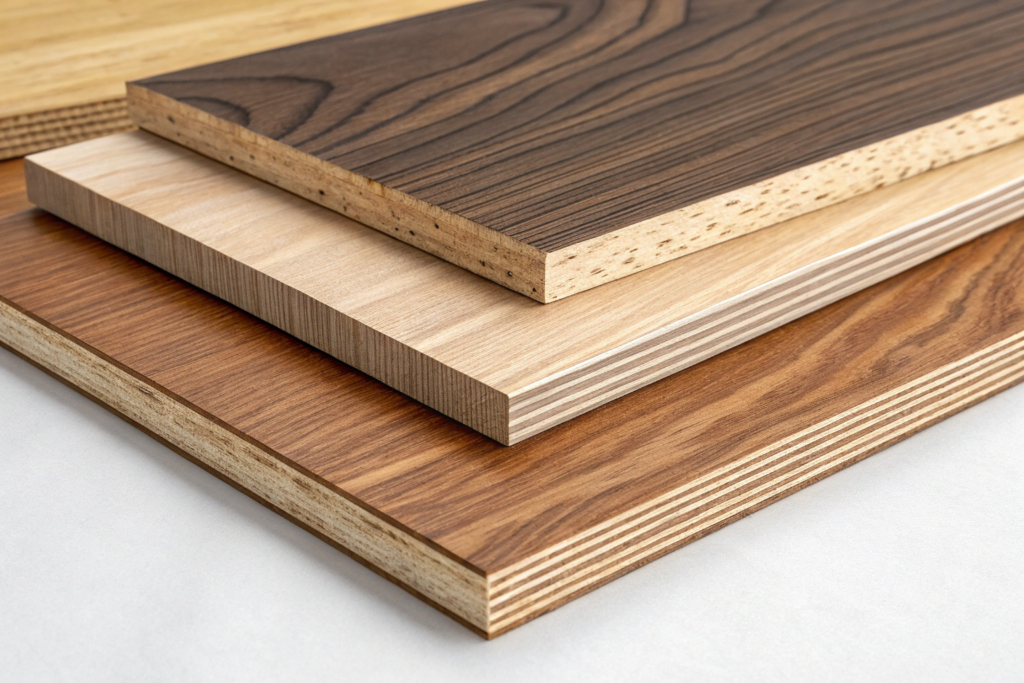
Hardwoods vs softwoods
Hardwoods generally offer better density, making them ideal for load-bearing applications. Birch plywood, for example, is valued for its strength and uniform grain. Eucalyptus is often used in structural plywood for its high bending strength. Softwoods like pine are easier to work with but require additional treatment for outdoor use.
Matching species with application
For structural applications, denser hardwoods are preferred. For furniture or decorative use, species with attractive grains are chosen. In all cases, the compatibility of the veneer with adhesive systems ensures long-term bonding.
What maintenance increases plywood lifespan?
Even well-made plywood benefits from care and proper installation.
Maintenance such as sealing, cleaning, and checking for moisture exposure extends plywood’s life in high-risk environments.
Routine inspection and sealing
Check plywood for signs of swelling, delamination, or surface mold. If plywood is used outdoors, reseal it annually with waterproof coatings. Avoid placing heavy loads on unsupported spans, which may cause sagging.
Protective design choices
Where possible, install plywood with protective overhangs or coverings. Use vapor barriers in humid environments. Ensure adequate ventilation behind cladding or panels to reduce condensation and moisture retention.
How do professional factories ensure plywood durability?
Advanced machinery and strict quality protocols separate high-grade plywood from inferior alternatives.
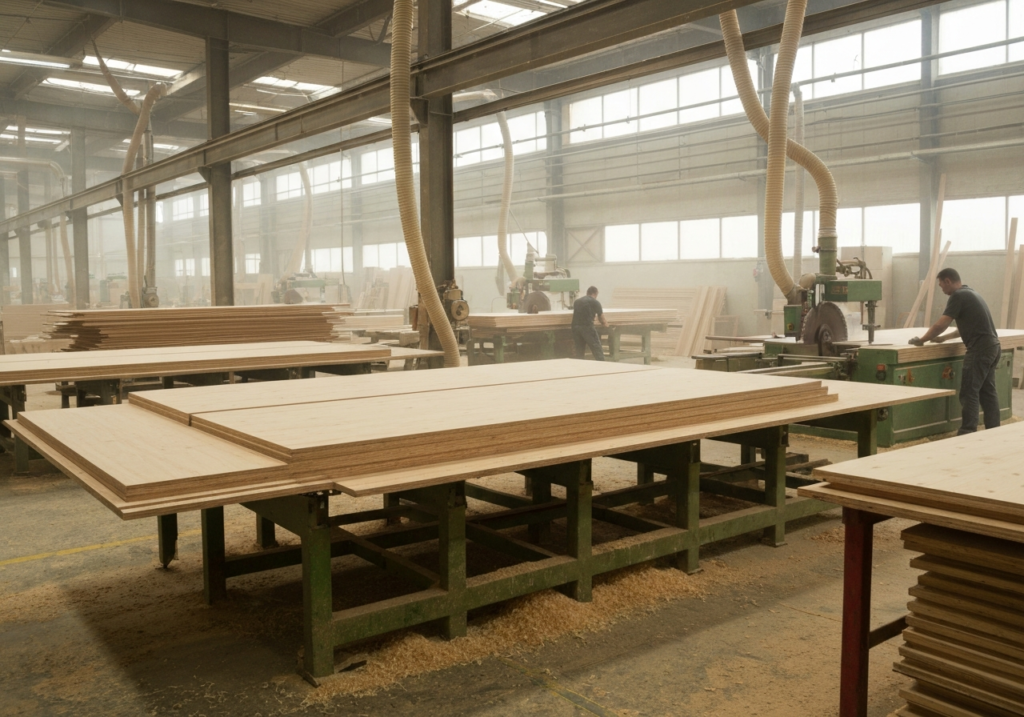
Durable plywood results from investment in modern equipment, skilled labor, and standardized production processes, especially in factories with export-grade certifications.
Equipment and engineering standards
Factories producing exterior and marine plywood often invest in high-pressure hot presses, automated veneer composers, and CNC calibrators. These ensure layer precision and panel flatness. Vacuum testing and boil-proof testing validate bonding strength before packaging.
Skilled production teams and traceability
Engineers monitor raw material batches and adjust pressing parameters based on veneer thickness and species. Each plywood batch is traceable, allowing for backward tracking of any quality deviation. The combination of skilled labor and technology ensures panels meet international durability standards.
Conclusion
Plywood, when produced with precise engineering, high-quality adhesives, and robust core veneers, offers exceptional durability across applications. Its lifespan is influenced by environmental conditions, maintenance practices, and, most critically, the manufacturing process. Professional-grade factories with advanced equipment and strict quality control deliver panels that last for decades—even under challenging conditions. With proper installation and treatment, plywood remains a strong and reliable material choice for construction, furniture, marine, and exterior projects alike.