
Plywood thickness is often associated with strength and durability, but greater thickness does not always equal better performance. In industrial manufacturing and construction applications, the correct plywood thickness depends on structural requirements, load conditions, installation methods, and cost efficiency. Understanding how thickness affects performance helps ensure optimal material selection and long-term stability.
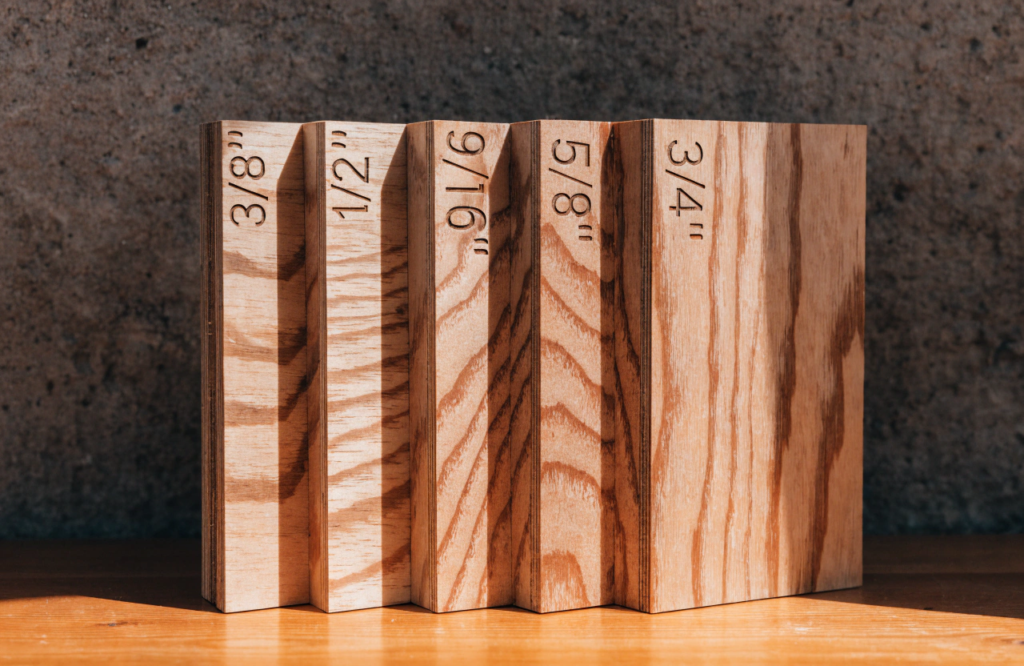
Thicker plywood offers increased rigidity and load-bearing capacity, but excessive thickness can reduce efficiency, increase cost, and complicate fabrication.
Why Thickness Alone Does Not Define Plywood Strength
Plywood strength is determined not only by thickness but also by veneer quality, layer orientation, adhesive performance, and pressing technology.
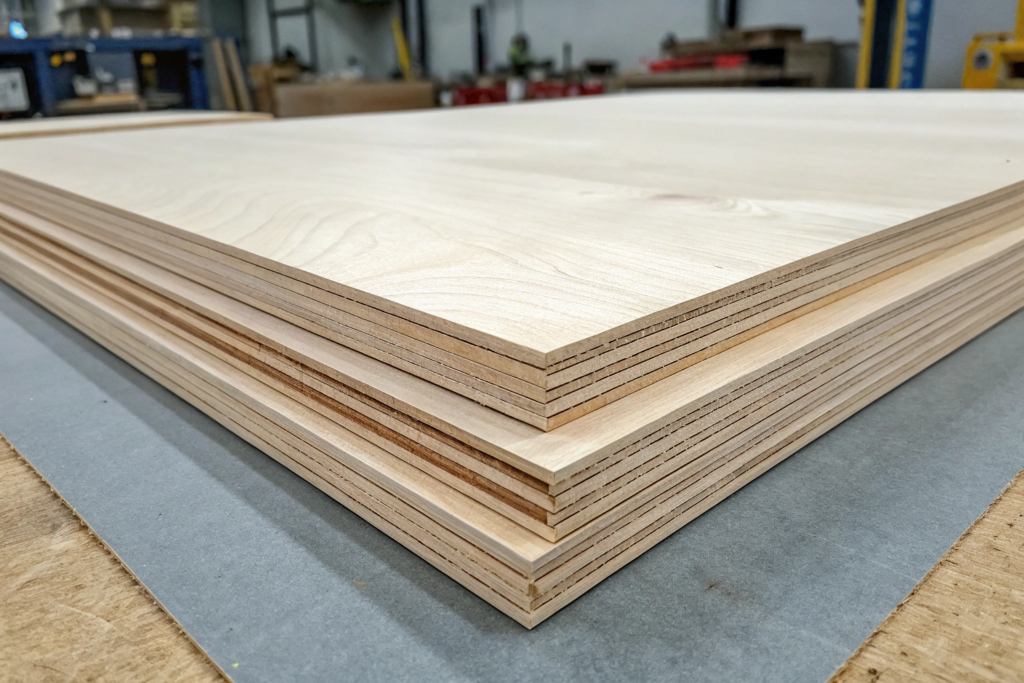
A well-engineered multi-ply panel with balanced layers can outperform a thicker but poorly constructed board.
| Factor | Influence on Strength |
|---|---|
| Veneer Quality | Determines load distribution |
| Layer Orientation | Controls stiffness and stability |
| Adhesive Type | Affects internal bond strength |
Manufacturing facilities carefully control veneer grading, glue spread, and press pressure to ensure consistent mechanical performance.
When Thicker Plywood Is Necessary
Certain applications demand increased thickness to handle load, span, or impact requirements.
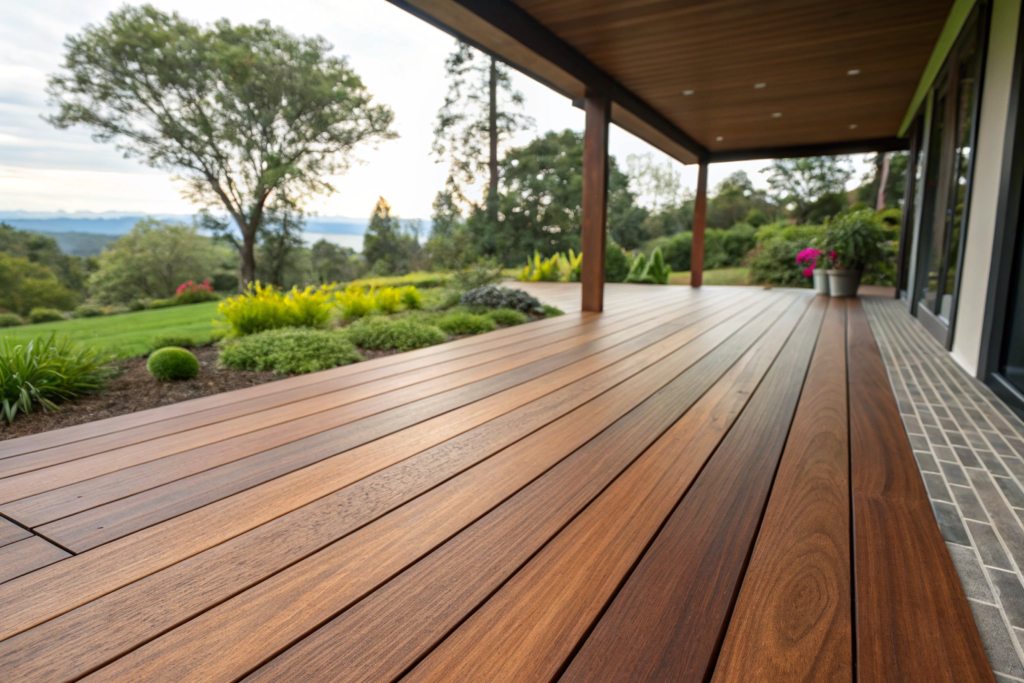
Structural flooring, heavy-duty shelving, and load-bearing wall panels often require thicker plywood to meet safety standards.
| Application Area | Typical Thickness Range |
|---|---|
| Subfloor systems | 18–25 mm |
| Structural wall panels | 15–18 mm |
| Heavy-duty platforms | 21–25 mm |
Factories producing structural panels use calibrated presses and density-controlled cores to ensure consistent strength across large production volumes.
When Thinner Plywood Performs Better
Thinner plywood is often more suitable where flexibility, reduced weight, or fine detailing is required.
Interior panels, furniture components, and decorative elements often benefit from thinner, more workable sheets.
| Application | Typical Thickness |
|---|---|
| Cabinet backs | 3–6 mm |
| Drawer bottoms | 4–6 mm |
| Wall cladding | 6–9 mm |
Manufacturers optimize thin panels through precise sanding and fiber alignment to maintain flatness and dimensional stability.
How Manufacturing Methods Affect Thickness Performance
Plywood performance depends heavily on manufacturing accuracy and process control.
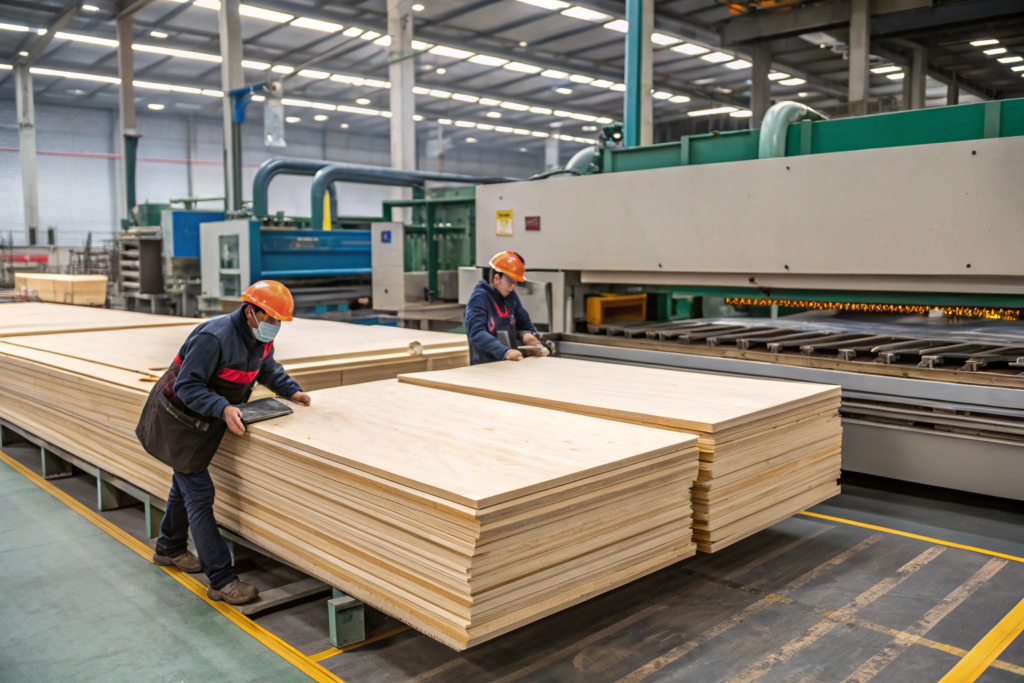
Modern factories use automated pressing, calibrated sanding, and moisture-regulated environments to ensure thickness consistency.
| Production Stage | Purpose |
|---|---|
| Veneer Drying | Controls moisture content |
| Hot Pressing | Bonds layers uniformly |
| Precision Sanding | Achieves target thickness |
These processes ensure that plywood performs consistently across batches and applications.
Why Thicker Is Not Always More Durable
While thickness adds stiffness, it also increases weight, material cost, and installation complexity.
Over-specifying thickness can lead to unnecessary expense and reduced efficiency without measurable performance benefits.
| Factor | Impact of Excess Thickness |
|---|---|
| Weight | Increases transport and handling cost |
| Installation | Requires stronger fasteners and framing |
| Material Waste | Raises production and material costs |
Balanced material selection ensures optimal performance without overengineering.
How Factories Determine the Right Plywood Thickness
Manufacturers evaluate mechanical requirements, usage conditions, and regulatory standards before determining panel thickness.
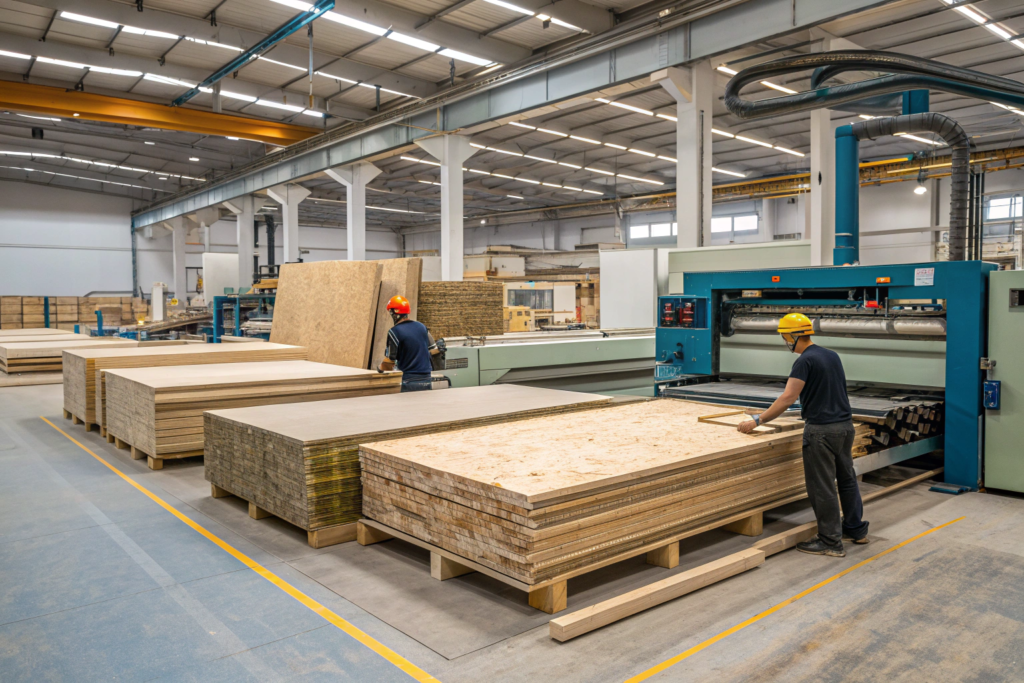
Computer-controlled testing and simulation help identify the optimal balance between strength, weight, and cost.
| Evaluation Factor | Purpose |
|---|---|
| Load Testing | Determines structural capacity |
| Environmental Simulation | Predicts long-term durability |
| Dimensional Control | Ensures installation compatibility |
This data-driven approach allows manufacturers to deliver consistent, application-specific plywood products.
Conclusion
Thicker plywood is not automatically better. While increased thickness can improve strength and stiffness, it may also introduce unnecessary weight, cost, and material inefficiency. Optimal plywood performance depends on selecting the appropriate thickness based on structural demands, manufacturing precision, and intended use. By balancing material design with application requirements, plywood manufacturers deliver reliable, efficient, and durable solutions across construction, furniture, and architectural projects.