
Flex Seal is widely used for sealing and waterproofing wood surfaces, providing a flexible, durable barrier against water, moisture, and other environmental elements. It is commonly applied to outdoor furniture, decks, fences, and other wooden structures exposed to the elements. However, the longevity of Flex Seal on wood is influenced by various factors such as surface preparation, environmental conditions, and application methods.
On wood surfaces, Flex Seal can last between 2 to 5 years, depending on exposure to the elements, the quality of the application, and environmental conditions. Regular maintenance and periodic reapplication are recommended for optimal protection.
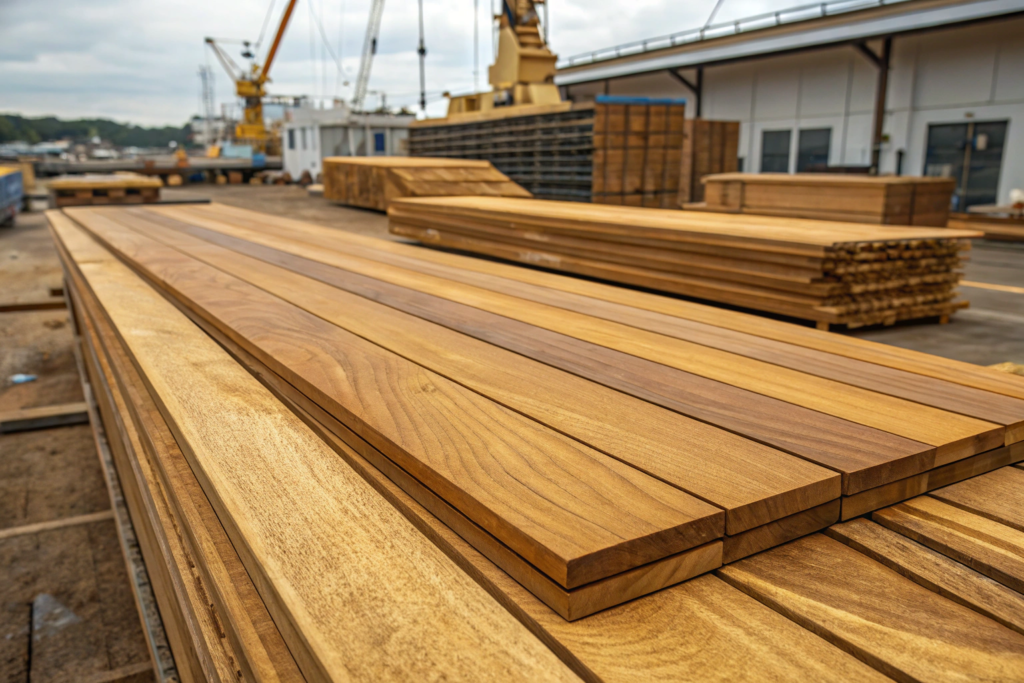
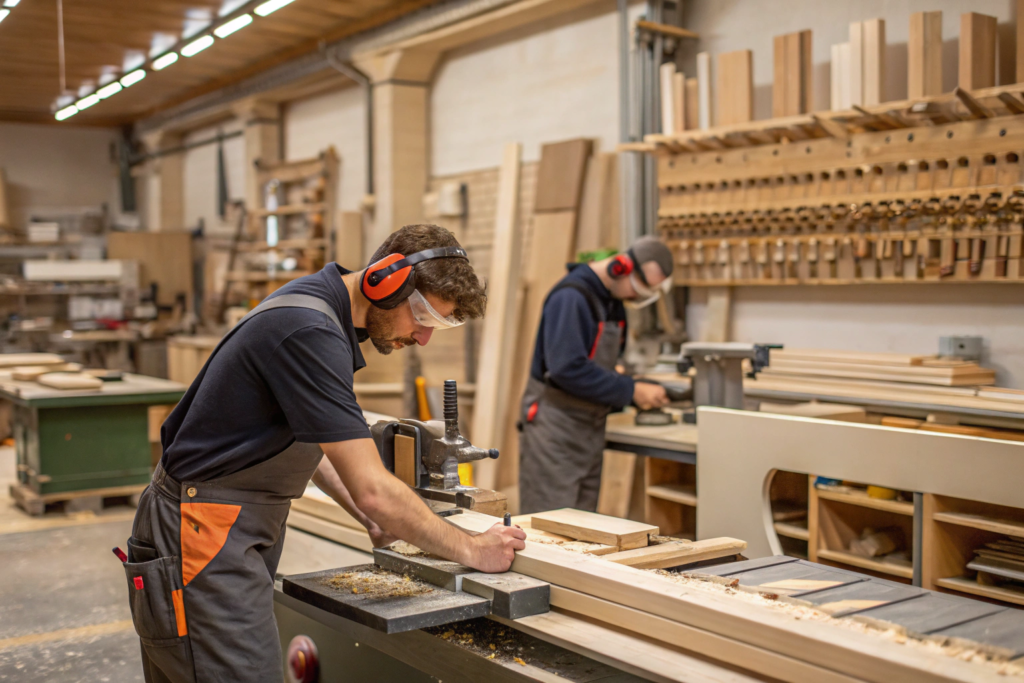
In industrial environments, Flex Seal-type coatings are tested alongside other protective treatments to determine long-term performance. Manufacturing processes ensure consistent quality control and durability by using advanced curing systems, automated application, and high-performance materials.
What Factors Affect the Longevity of Flex Seal on Wood?
Several factors influence how long Flex Seal lasts on wood, including the amount of UV exposure, temperature fluctuations, moisture levels, and the wood’s condition at the time of application.
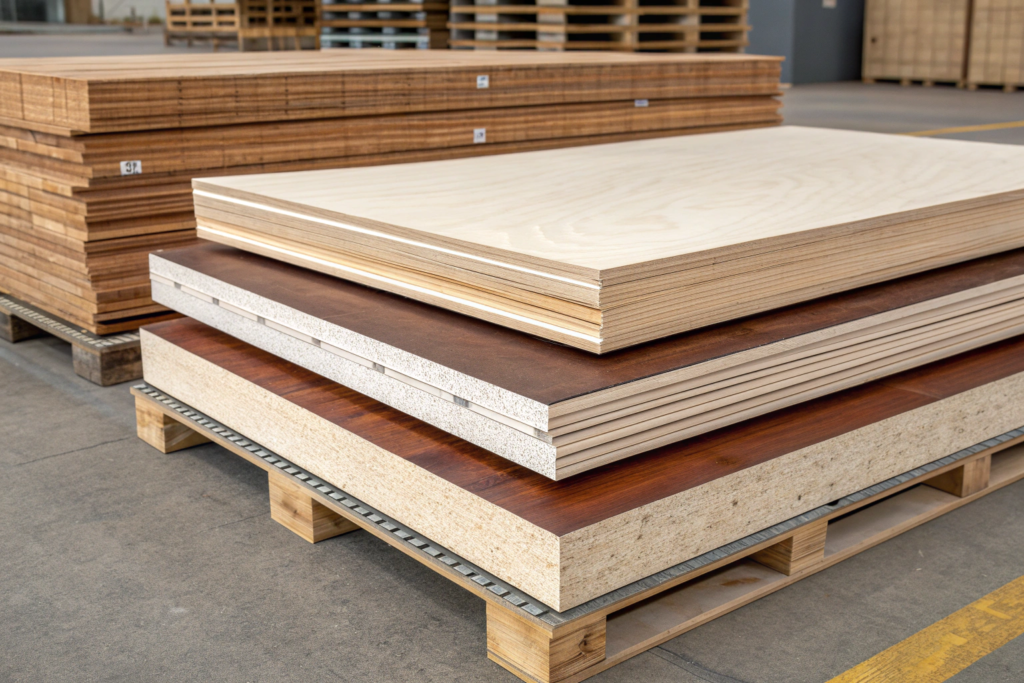
Moisture and sunlight are the two primary factors that contribute to the degradation of Flex Seal on wood over time.
| Factor | Impact on Durability |
|---|---|
| UV Exposure | Leads to surface degradation and fading |
| Moisture Exposure | Increases likelihood of peeling or cracking |
| Temperature Fluctuations | Causes expansion and contraction of the coating |
| Surface Preparation | Proper prep ensures longer-lasting adhesion |
In factory environments, advanced curing ovens and environmental chambers simulate long-term exposure to ensure that coatings like Flex Seal can withstand the conditions they will face in service.
How Does Surface Preparation Impact Flex Seal’s Lifespan?
Surface preparation plays a critical role in the longevity of Flex Seal on wood. Before application, wood surfaces must be clean, dry, and free of contaminants such as dust, oil, or mildew, which can hinder adhesion and lead to premature failure of the coating.
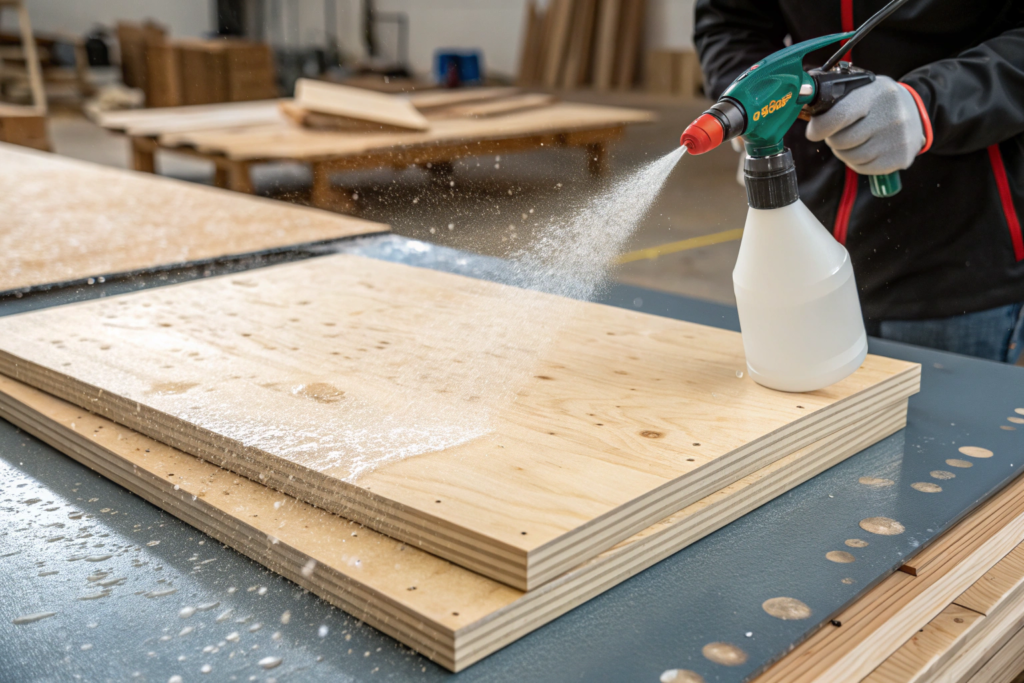
Proper surface preparation enhances Flex Seal’s bond to the wood, ensuring long-lasting protection.
| Preparation Step | Purpose |
|---|---|
| Cleaning | Removes dirt, oils, and other contaminants |
| Sanding | Creates a smooth surface for better adhesion |
| Drying | Ensures the surface is moisture-free before application |
In industrial settings, wood surfaces undergo a rigorous cleaning and sanding process before any coating is applied. This ensures that the final product is durable and provides maximum protection over time.
How Does Application Method Affect Flex Seal’s Longevity?
The method of application significantly affects the performance of Flex Seal on wood. For best results, multiple thin coats should be applied, with adequate drying time between layers. This helps to build a uniform and strong barrier that will last longer than a single thick layer.
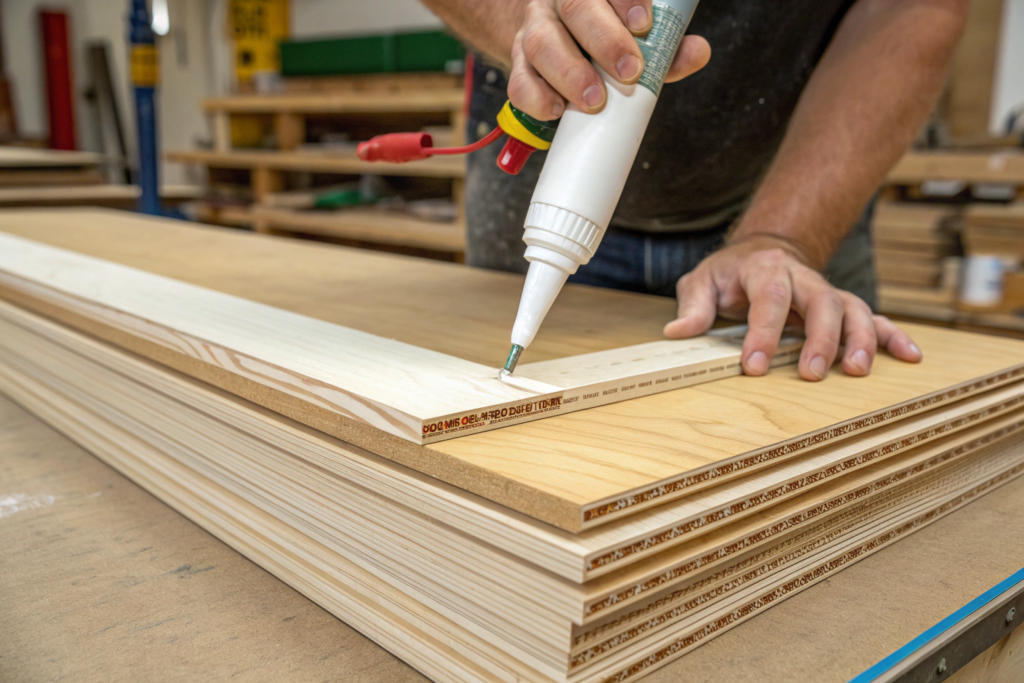
Using a consistent application technique ensures better coverage and prevents cracking, peeling, or bubbling.
| Application Method | Result |
|---|---|
| Multiple Thin Coats | Provides better coverage and flexibility |
| Single Thick Coat | Risk of cracking and peeling |
| Drying Between Layers | Prevents bubbling and ensures even coverage |
In manufacturing environments, automated spray systems are used to apply uniform coatings across large surfaces, ensuring that each panel receives the right amount of Flex Seal without excessive buildup.
How Does Flex Seal Perform on Exterior Wood?
Flex Seal is ideal for use on outdoor wooden structures such as fences, decks, and furniture. However, its longevity on exterior wood surfaces depends on the level of exposure to UV rays, moisture, and temperature fluctuations.
On exterior wood, Flex Seal typically lasts up to 2 years, after which reapplication is necessary to maintain its protective properties.
| Application Area | Expected Lifespan |
|---|---|
| Decks and Outdoor Furniture | 1–2 years with reapplication |
| Fences and Siding | Up to 2 years depending on exposure |
| Temporary Repairs | 6–12 months |
In factory settings, outdoor wood surfaces may receive additional coatings and treatments to enhance their weather resistance and provide a longer-lasting finish, especially in high-exposure environments.
What Are the Alternatives to Flex Seal for Wood?
While Flex Seal is effective for temporary sealing and waterproofing of wood, there are more permanent solutions for long-term protection. These alternatives, such as pressure-treated wood, polyurethane coatings, and marine-grade sealants, offer enhanced durability and resistance to harsh conditions.
Flex Seal is suitable for DIY applications or temporary fixes, but for long-term exposure to harsh elements, industrial-grade sealants are often more reliable.
| Product Type | Advantage |
|---|---|
| Oil-Based Wood Preservatives | Deep penetration, long-lasting protection |
| Polyurethane Coatings | Strong, UV-resistant finish |
| Pressure-Treated Wood | High durability, resistant to moisture |
Manufacturers typically opt for more durable coatings and treatments in large-scale production, particularly when longevity and resilience are paramount.
How to Maintain Flex Seal on Wood?
To maximize the lifespan of Flex Seal on wood, periodic maintenance is required. This includes checking for signs of wear, cleaning the surface to remove debris, and reapplying the sealant as needed.
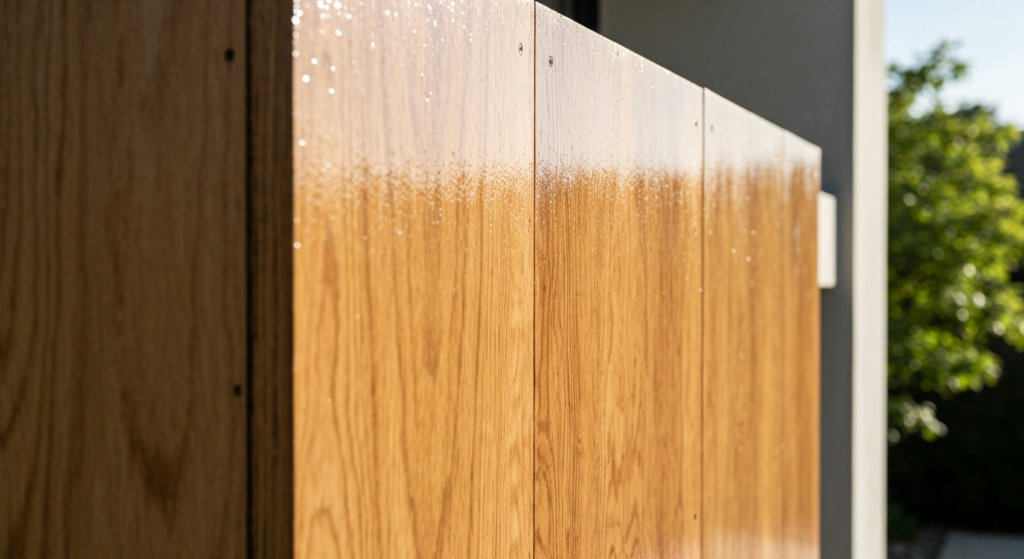
Signs such as cracking, fading, or peeling indicate that it’s time to refresh the coating to ensure continued protection.
| Maintenance Practice | Benefit |
|---|---|
| Annual Inspections | Detects early signs of deterioration |
| Spot Reapplication | Prevents further damage in high-wear areas |
| Cleaning with Mild Detergent | Maintains surface integrity and appearance |
In industrial settings, regular quality checks and reapplication schedules ensure that protective coatings perform optimally over time.
Conclusion
Flex Seal provides a reliable, flexible waterproofing solution for wood, with a typical lifespan ranging from 2 to 5 years, depending on environmental exposure, surface preparation, and application techniques. While it is an excellent option for temporary protection and light-duty applications, more robust, long-term solutions are available for environments subject to harsh conditions. Regular maintenance and reapplication are key to extending the effectiveness of Flex Seal. In manufacturing, the use of more permanent industrial-grade sealants is often preferred for long-term performance, ensuring that wooden structures maintain their integrity for many years.