
Medium Density Fiberboard (MDF) is a commonly used engineered material in furniture, cabinetry, and wall paneling. Its uniform density makes it easy to machine, but its high resin and fiber content can cause chipping, burning, and excessive dust if not cut properly.
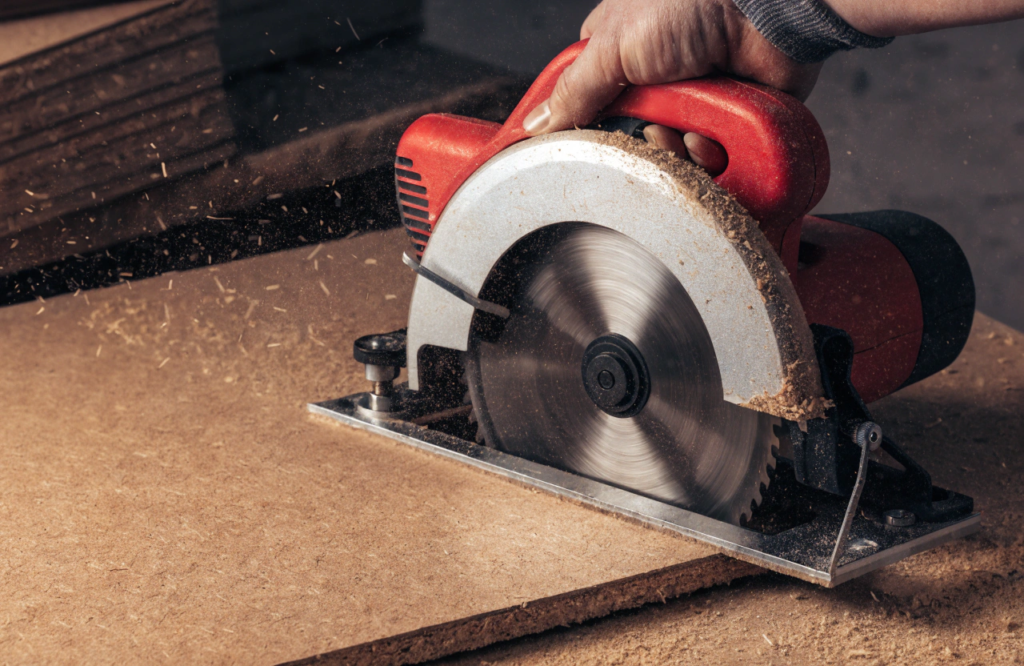
To cut MDF cleanly, use a carbide-tipped blade with high tooth count, control cutting speed, and support the board fully. Dust extraction, proper scoring, and tool sharpness are key to avoiding rough edges.
Factory and workshop techniques focus on material stabilization, blade selection, and environmental control to maintain edge quality and dimensional accuracy.
What Is the Best Saw Blade for Cutting MDF?
Blade choice directly affects cut smoothness. MDF dulls standard steel quickly due to its compact fibers and resin adhesive.
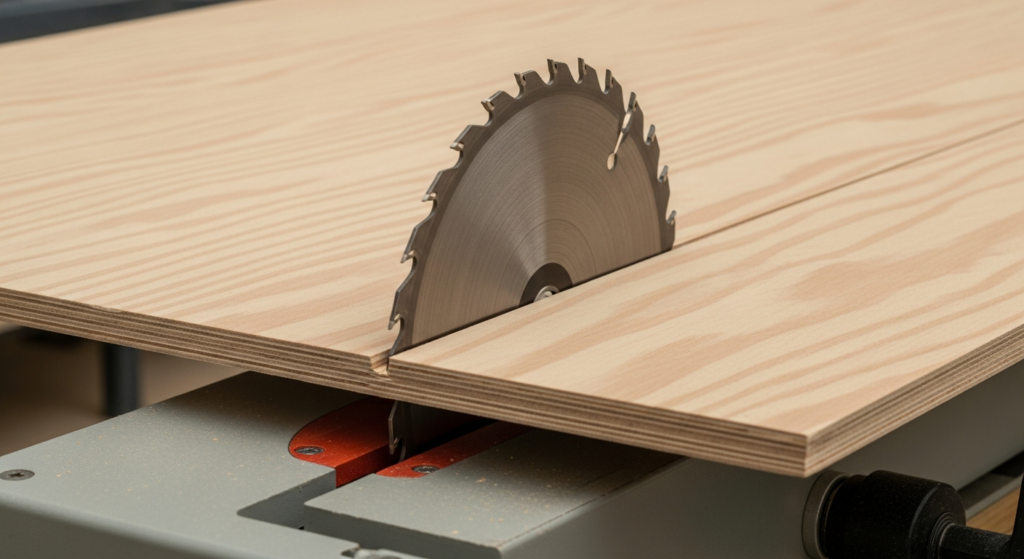
Carbide-tipped circular saw blades with 60 to 80 teeth, ATB (alternate top bevel), or TCG (triple chip grind) profiles offer clean, low-splinter cuts on MDF.
| Blade Feature | Description |
|---|---|
| Tooth Count | 60–80 for smooth finish |
| Tooth Shape | ATB for crosscuts, TCG for grooves |
| Blade Material | Tungsten carbide tips for wear resistance |
Industrial settings rotate blades regularly and monitor tooth condition to ensure consistent performance.
How to Prevent Chipping on MDF Edges?
Chipping occurs when unsupported fibers tear under the blade. Edge tear-out is common on the exit side of the cut.
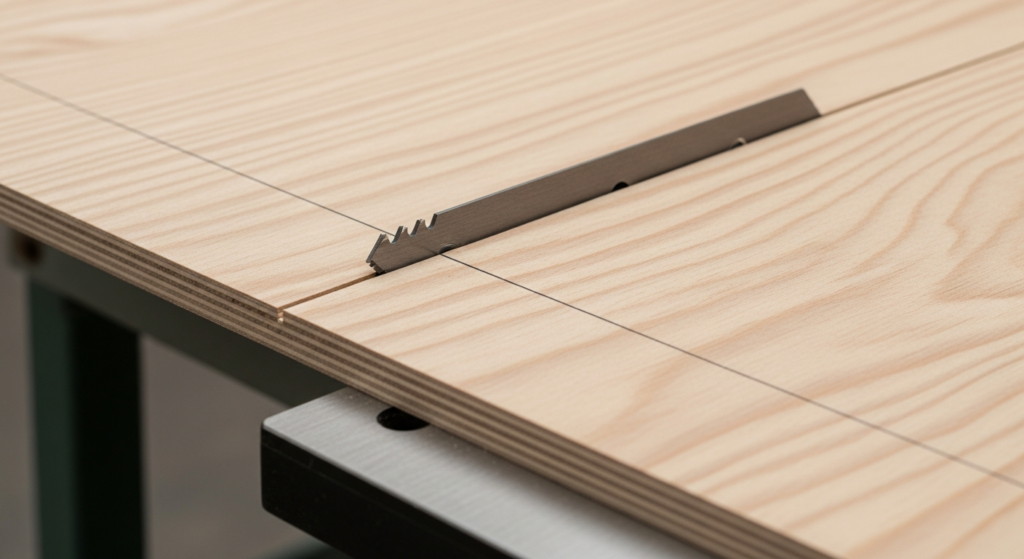
To reduce chipping, use masking tape over the cut line, score the surface first, and support both sides of the board during cutting.
| Method | Purpose |
|---|---|
| Masking Tape | Prevents surface fibers from lifting |
| Pre-scoring | Weakens top layer for cleaner cut-through |
| Zero-clearance Fence | Supports edges during blade entry/exit |
Factories use sacrificial backing boards or pre-scoring blades as part of CNC nesting and beam saw systems.
What Cutting Speed and Feed Rate Work Best?
Cutting too fast can cause burning, while too slow can crush the fibers. Controlled speed ensures balance between clean edges and productivity.
Maintain steady feed rate with moderate RPM to avoid overheating the blade or burning the MDF.
| Parameter | Recommendation |
|---|---|
| Feed Rate | 1–2 m/min (manual) |
| Blade Speed | 3000–5000 RPM depending on tool |
| Cut Depth | Full-depth or multiple shallow passes |
In factory operations, programmable saws adjust feed speed dynamically to optimize edge finish and throughput.
How to Reduce Dust When Cutting MDF?
MDF generates fine, airborne dust that is hazardous if inhaled. Managing this is essential for both health and cleanliness.
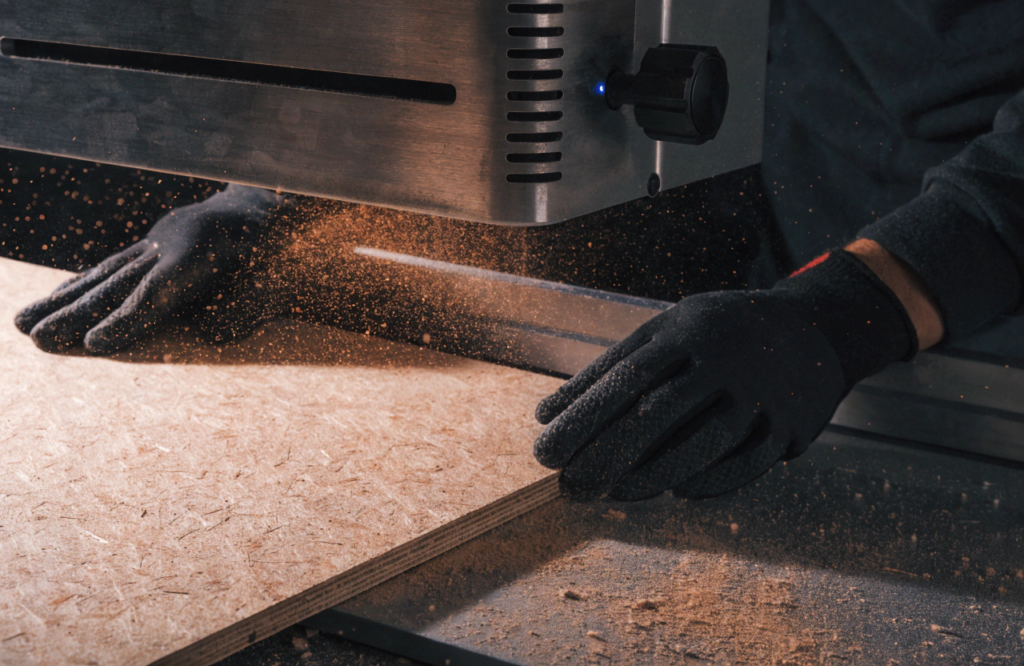
Use vacuum-equipped cutting systems, sealed enclosures, and air filtration units to minimize dust during MDF processing.
| Solution | Application |
|---|---|
| Dust Extraction Port | Connects to shop vac or central system |
| Enclosed Cutting | Containments reduce airborne particles |
| Air Filtration | Filters fine particles from environment |
Industrial machines include multi-stage filters and integrated vacuum hoods for continuous air quality control.
Why Does Material Support Matter During Cutting?
MDF is heavy and prone to flexing under its own weight. Unsupported sections can shift during cutting, causing rough or inaccurate results.
Use rigid, flat work surfaces and support rails to keep the board level and stable throughout the cut.
| Support Tool | Function |
|---|---|
| Outfeed Table | Prevents sagging during cut |
| Panel Saw Rails | Maintains straight feed path |
| Clamping Jig | Secures sheet to reduce vibration |
In production facilities, vacuum hold-down systems on CNC beds ensure board stability and uniform edge finish.
What Factory Equipment Ensures Clean MDF Cuts?
Factory-level equipment is calibrated for MDF’s unique properties. Clean cuts result from balanced integration of machine tooling, software, and material handling systems.
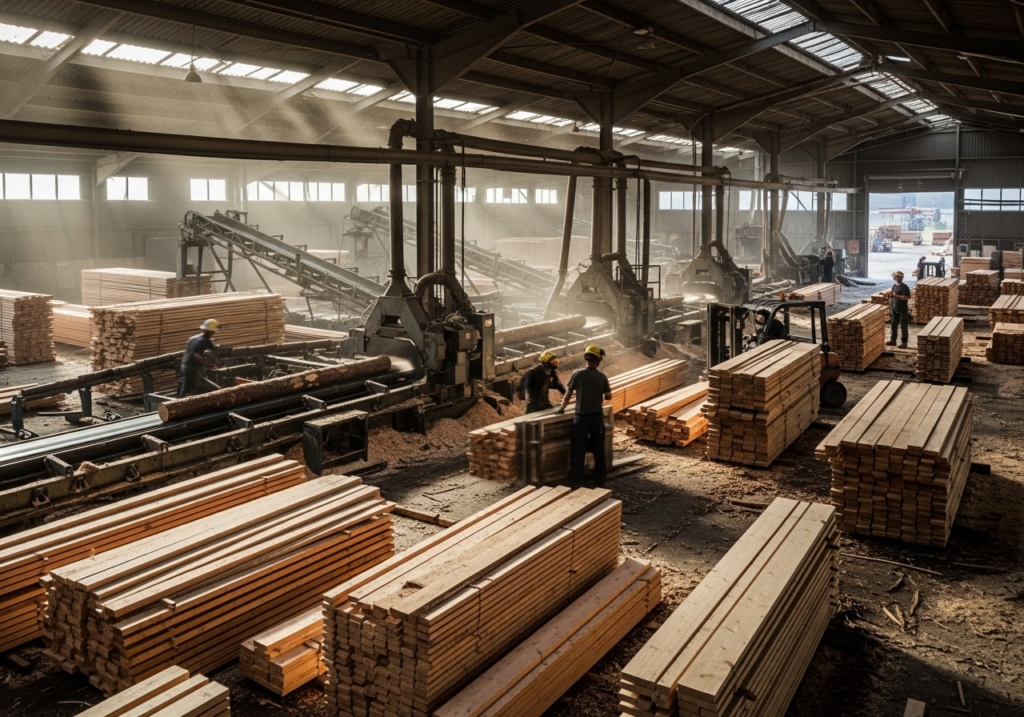
CNC routers, beam saws, and edge banders with programmable control and dust collection deliver consistent, chip-free results.
| Equipment | Purpose |
|---|---|
| CNC Nesting Machine | Profile cutting with auto-feed and vacuum |
| Beam Saw | Fast panel division with scoring units |
| Edge Banding Line | Finishes edges with protective coatings |
These systems operate with tight tolerances, allowing high-volume production while maintaining precision and surface quality.
Conclusion
Cutting MDF cleanly requires attention to blade selection, speed control, dust management, and material support. Carbide blades with the correct tooth geometry, paired with controlled feed rates, reduce chipping and surface defects. In factory operations, automation systems with integrated extraction and scoring units enable repeatable, high-quality results. Whether in workshops or full-scale manufacturing lines, success comes from using the right methods and machinery for MDF’s specific machining characteristics.