
Cutting Medium Density Fiberboard (MDF) without power tools is a common requirement in precision assembly, small-batch processing, or on-site adjustments. While MDF is engineered for uniformity and stability, its dense fiber composition requires careful handling to avoid edge fraying, dust inhalation, or surface tearing.
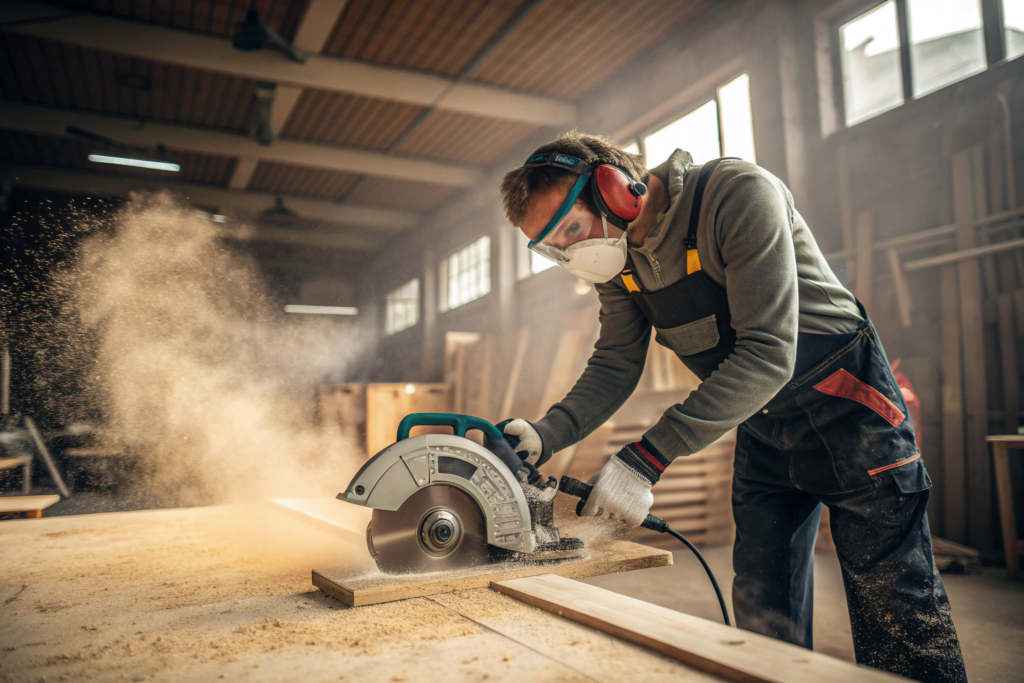
MDF can be effectively cut by hand using fine-tooth saws, marking guides, scoring knives, and proper clamping. Manual techniques require stability, patience, and control to produce clean cuts on high-density boards.
Although slower than automated systems, manual cutting supports refined fitting, final adjustments, and detailed modifications in both workshop and field environments.
What Manual Tools Are Best for Cutting MDF Cleanly?
Manual cutting of MDF requires tools that balance precision and durability. The goal is to reduce surface tear-out, prevent blade deflection, and control fine dust particles.
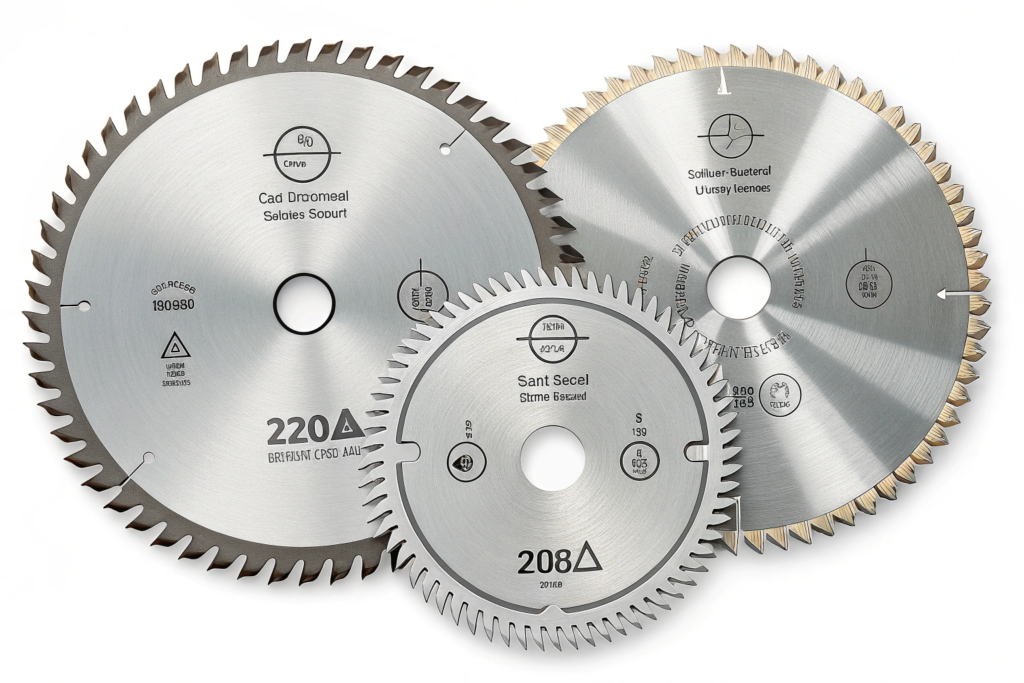
High-quality panel saws, back saws with rigid spines, and scoring knives are the most reliable tools for controlled hand-cutting of MDF.
| Tool Type | Features and Application |
|---|---|
| Panel Saw | Long, straight cuts, accurate edge control |
| Back Saw | Fine joinery, rigid blade control |
| Utility Knife | Surface scoring for chip prevention |
For industrial assembly, these tools are often used in prototype modeling, trim fitting, and low-volume specialty work where machinery access is limited.
How Should MDF Be Prepared for Manual Processing?
Stable preparation reduces defects and supports consistent outcomes. Even minor shifts during hand cutting can cause misalignment or chipped corners.
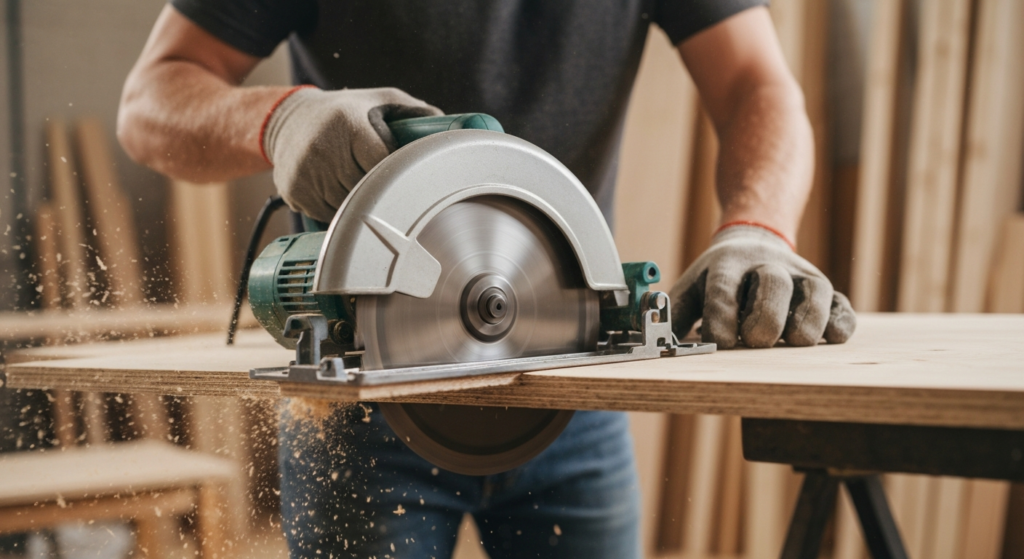
Effective preparation includes line scoring, corner clamping, and firm material support to absorb vibrations and improve hand-saw accuracy.
| Setup Step | Function |
|---|---|
| Line Marking | Guides the blade along a fixed path |
| Score Line | Weakens the fiber to prevent chipping |
| Clamp System | Stabilizes the board and distributes force |
Workshop stations typically include non-slip benches and multi-point clamps, designed to accommodate MDF’s thickness and rigidity.
How to Control Edge Quality When Cutting by Hand?
Edge quality is essential for both aesthetic and functional MDF components. Rough edges affect bonding, painting, or laminate application.
Using a steady cutting pace, scoring the surface, and taping along the cut path can help minimize surface damage and edge blowout.
| Method | Purpose |
|---|---|
| Masking Tape | Reduces surface tear during the cut |
| Dual-Side Scoring | Maintains clean top and bottom edges |
| Sanding Block | Refines cut edge post-processing |
Some factory environments pre-coat MDF with protective films or handle it in dust-free rooms to preserve surface finish during post-cut processing.
Can Manual Tools Cut Curves or Cutouts in MDF?
Curved cuts and internal shapes are feasible without machines using specialty hand tools. These are commonly used for display elements, fitting panels, or duct paths.
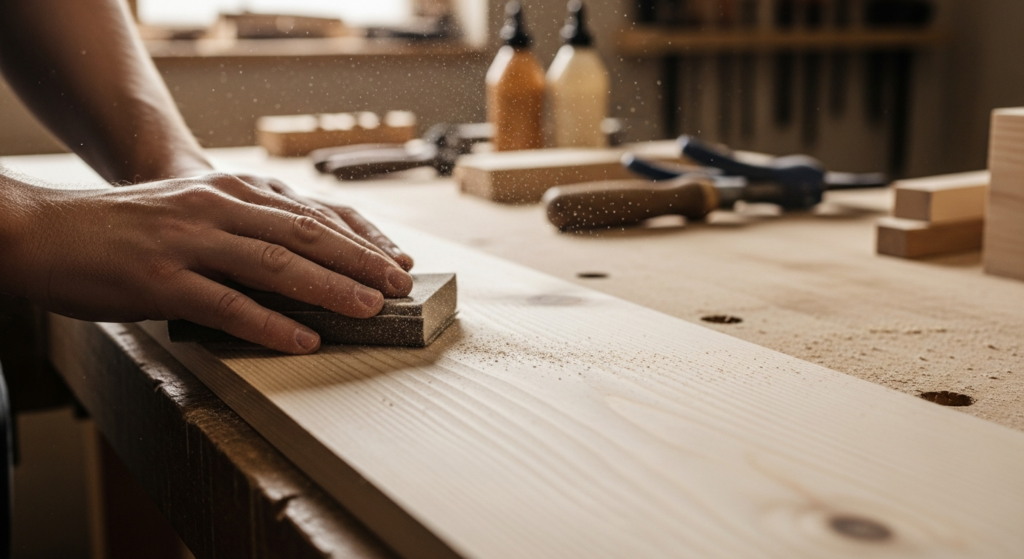
Coping saws, keyhole saws, and handheld spiral cutters allow controlled navigation of arcs and internal cutouts on MDF sheets.
| Tool Type | Best For |
|---|---|
| Coping Saw | Smooth curves in decorative features |
| Keyhole Saw | Internal access cuts |
| Spiral Cutter | Short radius curves or tight corners |
Factory-crafted templates or jigs are often used to guide hand tools, improving consistency in repeated manual shapes.
How to Manage Dust and Material Safety When Hand Cutting?
Dust exposure is a concern in any MDF operation. Cutting without extraction systems requires localized protection and cleanup protocols.
Score cutting reduces dust release, while wearing protective masks and working in ventilated zones ensures worker safety.
| Safety Practice | Description |
|---|---|
| Dust Mask Use | Filters airborne particles from fibers |
| Scoring & Snapping | Limits sawing and dust generation |
| Local Extraction | Portable vacuums reduce surface buildup |
In enclosed spaces, portable air filters and vacuum tables are used even during manual stages to maintain air quality and reduce residue accumulation.
When Is Manual Cutting the Best Choice for MDF?
Manual techniques are not designed for high-speed production but excel in flexibility, mobility, and finishing tasks. These methods are used in installation work or during final fitting of components.
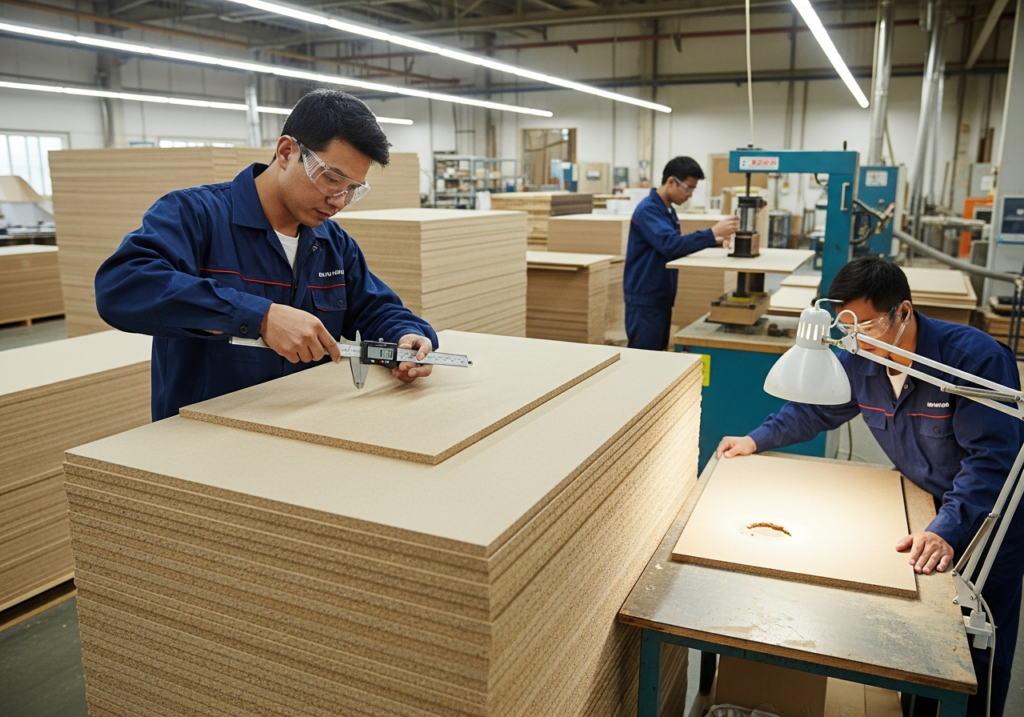
Manual cutting is ideal for custom adjustments, field corrections, and precise detailing of panels not suited for factory saw lines.
| Ideal Applications | Not Recommended For |
|---|---|
| Custom moldings and trims | Repetitive, long-panel processing |
| On-site installations | Multi-sheet production workflows |
| Prototype development | Heavy structural board shaping |
Factory operations typically reserve hand tools for post-machining calibration or defect correction on sensitive components.
What Factory Practices Support Manual MDF Cutting?
In manufacturing environments, manual cutting is integrated with other processes for flexibility. Accurate jigs, calibrated measurement tools, and standardized templates support consistent results.
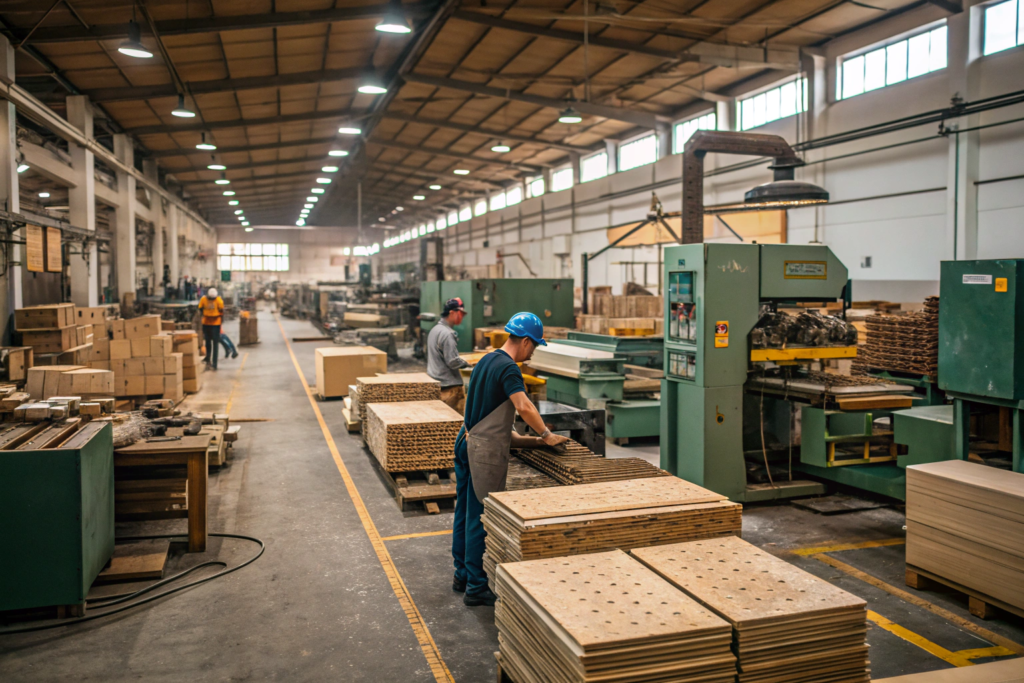
Production lines include:
- Laser-marked layout boards for hand guidance
- Pneumatic clamps for multi-angle board holding
- Anti-chip edge buffers on benches
- Modular tool racks for manual saw types
These stations support trim corrections, corner notches, and surface repairs without restarting full automation cycles.
Conclusion
Manual cutting of MDF is a precise process when executed with high-quality hand tools, correct preparation, and dust-safe practices. While it cannot match machine speed, it offers critical adaptability in workshop, field, and finishing scenarios. In factory workflows, hand cutting plays a supporting role—handling post-machining adjustment, defect trimming, or template fitting. Combined with jig support and proper material stabilization, it remains a valuable technique for producing quality finishes and maintaining design flexibility in engineered wood production environments.