
Medium Density Fiberboard (MDF) is a versatile and widely used engineered wood product. However, its dense composition requires suitable cutting tools to ensure clean edges, minimize dust, and prevent chipping or burning.
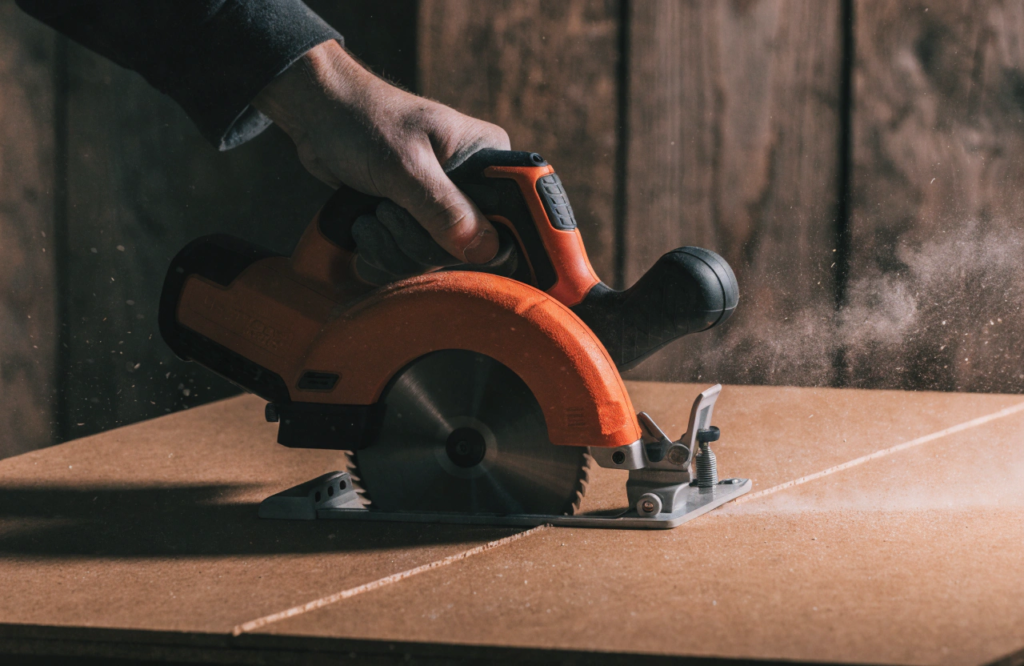
The best tool to cut MDF is a carbide-tipped circular saw for straight cuts and a jigsaw or CNC router for curved or intricate designs. Each tool requires the right blade type and cutting speed.
Correct equipment and technique are essential to achieve smooth, accurate cuts while maintaining production efficiency and worker safety.
Why Does MDF Require Specialized Cutting Tools?
Unlike natural wood, MDF is composed of fine wood fibers bonded with resin and compressed under heat. Its uniform density increases tool resistance and generates fine dust when cut.
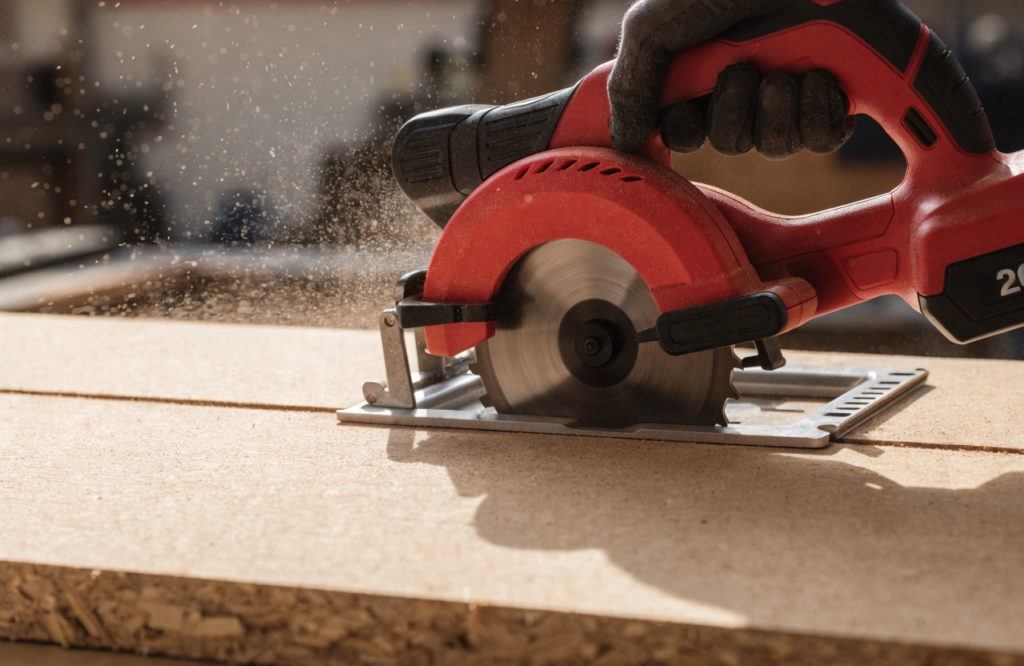
Specialized cutting tools are needed to avoid fraying, edge burn, and excessive wear on standard blades.
| Issue | Cause | Solution |
|---|---|---|
| Chipping | Inappropriate blade type or feed speed | Use fine-tooth blade, reduce speed |
| Burning | Dull blade, too slow or too fast feed | Keep blade sharp, adjust RPM |
| Dust generation | High resin content | Use dust extraction systems |
Industrial settings use enclosed saw tables with vacuum collection to minimize airborne particles and improve cut precision.
What Type of Saw Blade Works Best?
Using the correct blade is key to achieving smooth MDF cuts. Blades must be strong enough to resist resin buildup while minimizing tear-out.
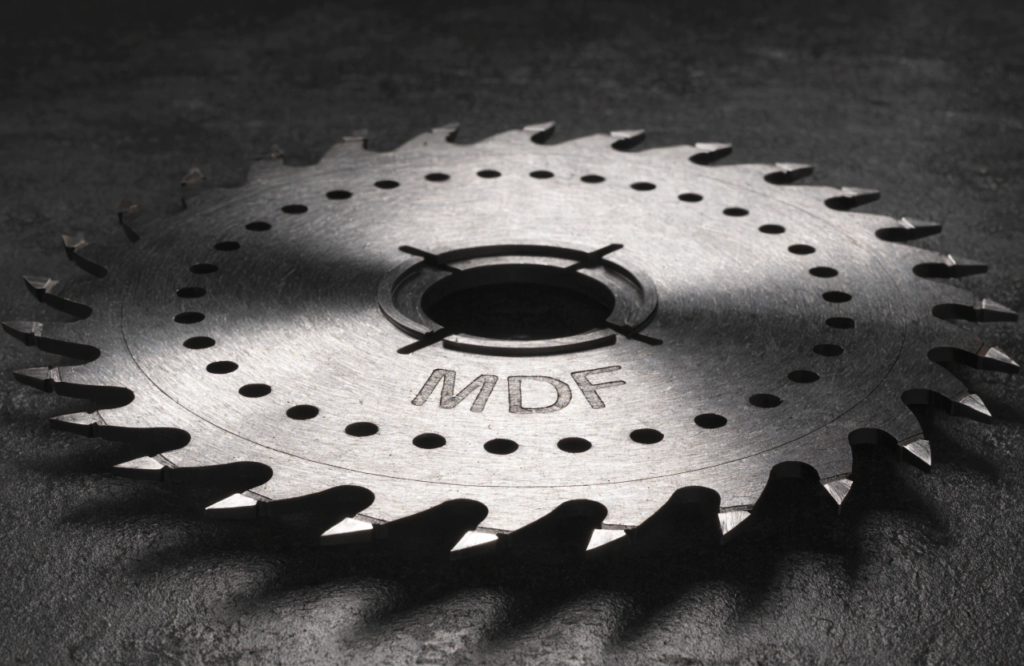
Carbide-tipped blades with high tooth counts and alternate top bevel (ATB) or triple chip grind (TCG) profiles are ideal for cutting MDF.
| Blade Type | Features | Best Use |
|---|---|---|
| ATB | Angled teeth for clean crosscuts | Cabinet panels, furniture faces |
| TCG | Durable edges for long cuts and grooves | CNC work, industrial saw lines |
| Fine-tooth | 60–80 teeth for smooth finish | Decorative and painted surfaces |
Regular blade cleaning and sharpening improve lifespan and maintain cut quality.
How Does a Circular Saw Perform on MDF?
A circular saw is the go-to tool for long, straight cuts in MDF panels. With the right blade, it delivers clean edges quickly and efficiently.
Circular saws are most effective for cutting sheet goods in straight lines, especially when guided with a rail or fence.
| Component | Recommendation |
|---|---|
| Blade size | 7¼”–10” depending on panel thickness |
| Tooth count | 60–80 for fine finish |
| Guide system | Aluminum track or edge clamp guide |
Factories often mount circular saws on sliding tables or automated CNC carriages to enhance speed and precision.
When to Use a Jigsaw or CNC Router?
For shapes other than straight lines, a jigsaw or CNC router provides flexibility and detail. These tools allow for internal cutouts and curves in MDF boards.
A jigsaw with a fine-tooth down-cut blade or a CNC router with a spiral bit offers clean curved cuts without damaging the panel surface.
| Tool | Benefit | Limitation |
|---|---|---|
| Jigsaw | Portable, good for on-site work | Risk of blade deflection on thick panels |
| CNC Router | High-speed, accurate, repeatable | Requires programming and setup |
In manufacturing plants, CNC routers are integrated with vacuum tables and dust hoods for efficient, high-volume MDF shaping.
How Do Factory Cutting Lines Optimize MDF Processing?
Factories cut MDF panels using integrated saw lines, routers, and robotic systems. These setups improve productivity and reduce manual errors.
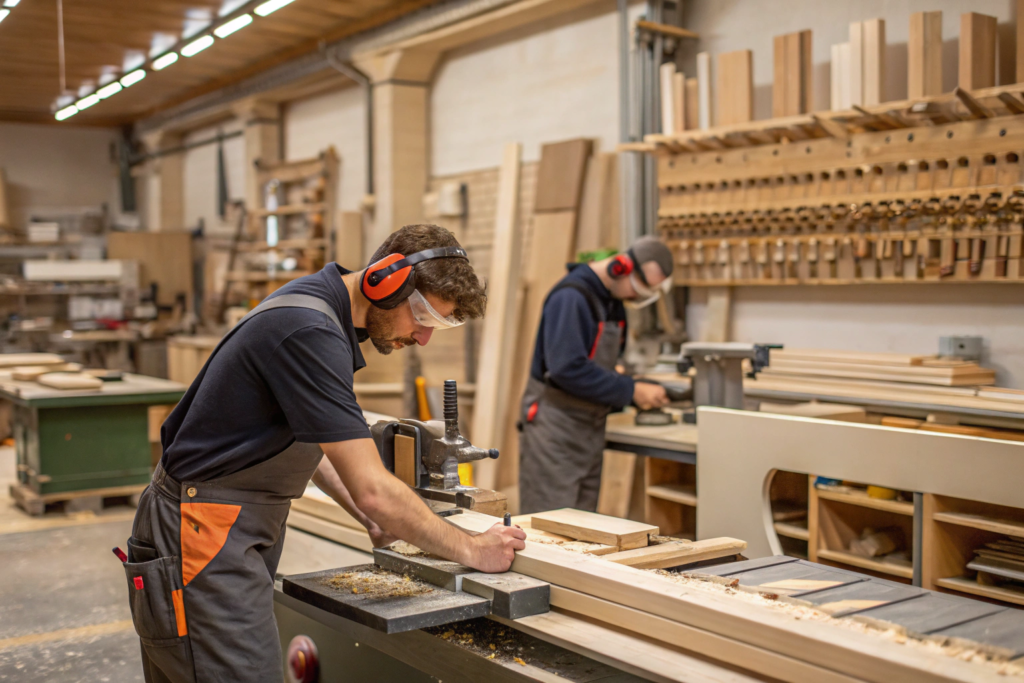
Key features of industrial MDF cutting lines:
- Programmable CNC panelsaws
- Automatic feed rollers and positioners
- Dust collection and filtration units
- Blade cooling systems to prevent overheating
Production lines are calibrated to maintain consistent kerf width, reduce surface chipping, and meet quality standards for export-grade MDF components.
Conclusion
Choosing the best tool to cut MDF depends on the type of cut, edge quality required, and scale of production. Carbide-tipped circular saws offer efficient straight cuts, while jigsaws and CNC routers handle intricate patterns and curved forms. Factories maximize efficiency with automated lines, precision blades, and integrated dust management. With the right tools and settings, MDF can be processed cleanly and consistently, ready for painting, laminating, or structural use.