
Plywood is a versatile engineered wood product, and painting is a common finish option. However, painting straight onto plywood without preparation can lead to uneven color, blotching, or poor adhesion because raw plywood has varying densities and surface porosity.
To achieve a smooth, durable painted surface, plywood must be properly prepared and primed before applying paint. This ensures uniform absorption, better adhesion, and long‑term finish performance.
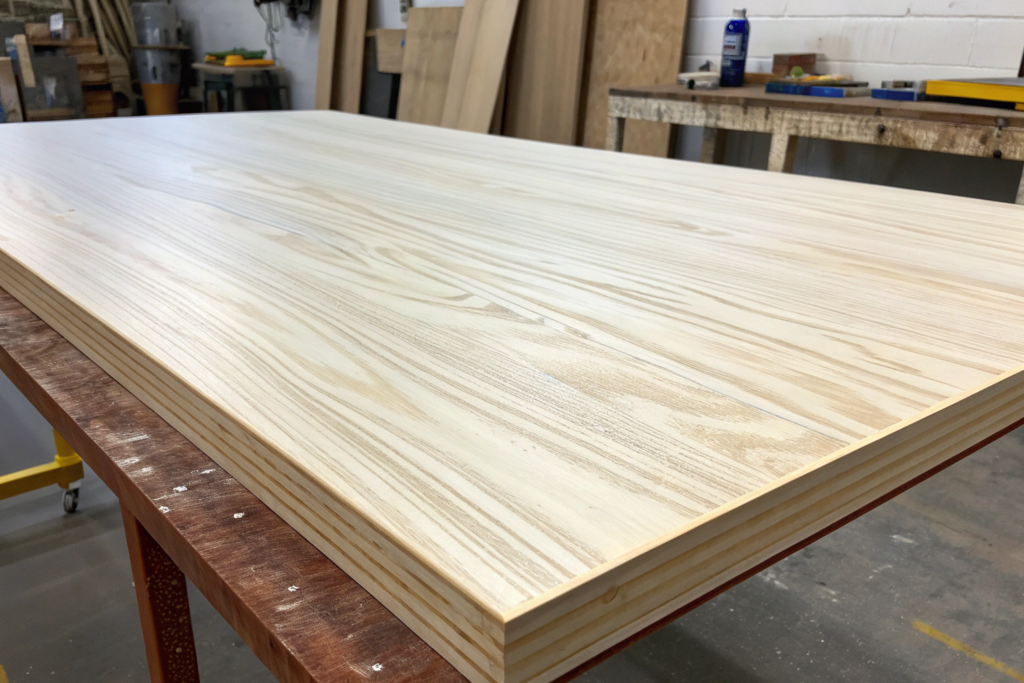
The following sections explain when painting directly is possible, when preparation is required, and how factory processing and surface treatments affect final results.
Why Raw Plywood Needs Surface Preparation
Plywood consists of multiple veneer layers glued under heat and pressure. Even after sanding, surface porosity varies due to core and face differences.
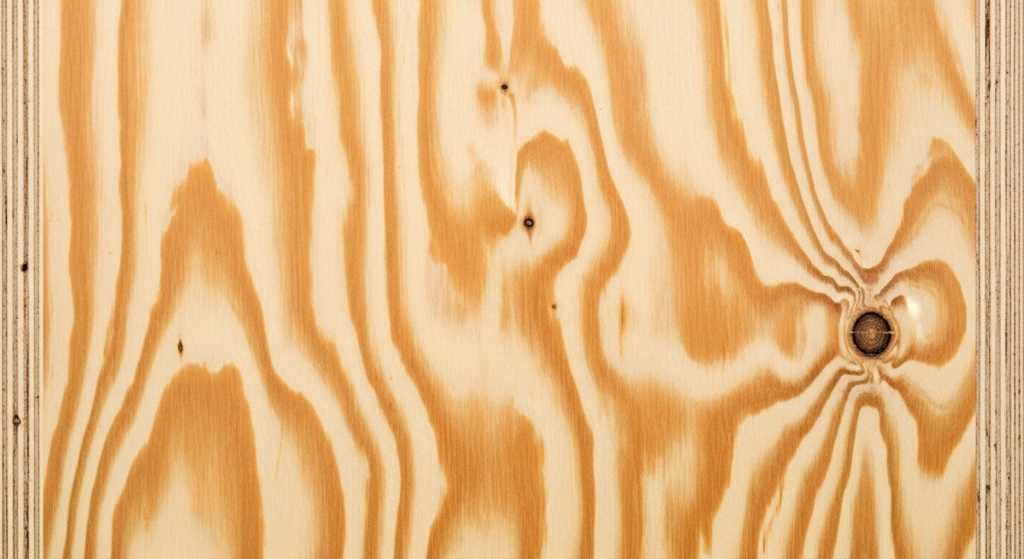
Raw plywood surfaces tend to absorb paint unevenly because the grain and glue lines have different densities and porosity levels. This leads to blotches and streaks if paint is applied directly.
Raw Surface Characteristics
| Feature | Effect on Paint |
|---|---|
| Varying porosity | Uneven paint absorption |
| Wood grain differences | Color variation after paint |
| Glue line density | Paint rejection in high‑density zones |
| Surface micro‑voids | Can trap air bubbles |
Preparation reduces these variations and creates a uniform base for coatings.
Surface Preparation Methods Before Painting
Proper preparation enhances paint adhesion and extends the life of the finish.
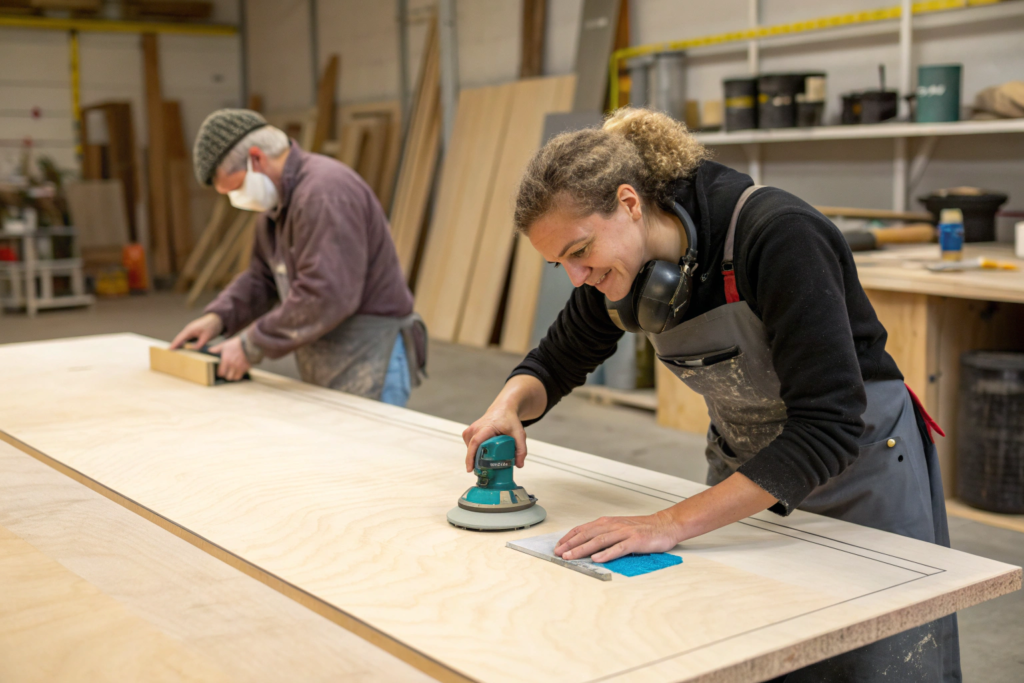
Typical preparation includes cleaning, sanding, filling defects, and applying primer or sealer before paint.
Common Preparation Steps
| Step | Purpose |
|---|---|
| Cleaning | Removes dust, oils, and contaminants |
| Light sanding (120–180 grit) | Smooths surface and opens pores |
| Filling core gaps | Eliminates voids that show through paint |
| Primer/Sealer application | Creates uniform absorption base |
Primers and sealers create a stable substrate and reduce the number of paint coats required for a consistent finish.
Can Some Types of Plywood Be Painted Without Primer?
Certain plywood panels are factory‑finished with smooth faces or factory coatings that permit direct painting.
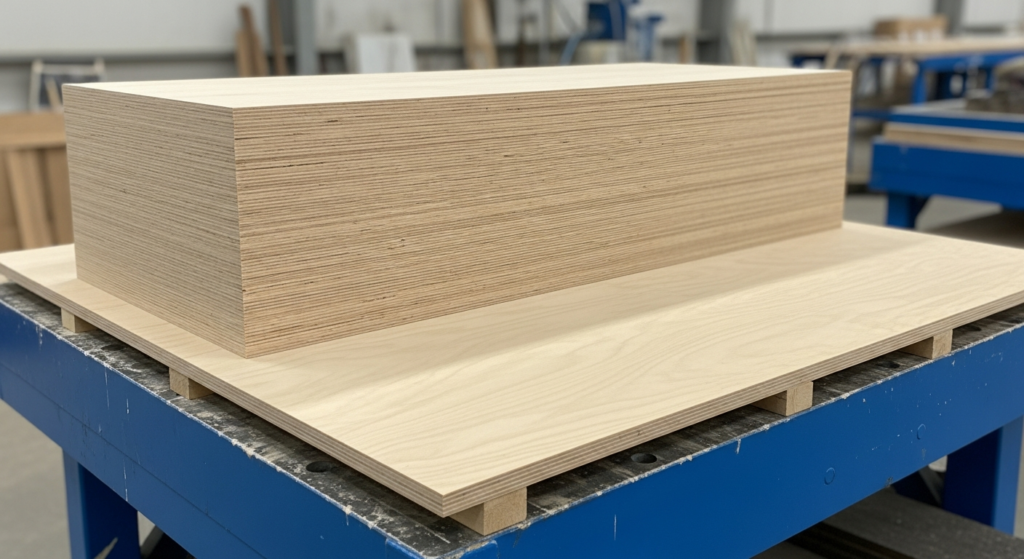
Pre‑sanded, calibrated, or film‑faced panels often accept paint better than untreated plywood, but even these benefit from primer for maximum durability.
Factory Production and Surface Quality
| Panel Type | Paintability Without Primer |
|---|---|
| Calibrated plywood | Better absorption control |
| Film‑faced plywood | Often paint‑ready surface |
| Veneer plywood (smooth) | Accepts paint well with light sanding |
| Untreated plywood | Not recommended without primer |
Panels leaving the factory with consistent thickness and smooth faces reduce site preparation time and improve finish results.
Best Types of Paint and Application Techniques
The type of paint and application method influences final appearance and durability.
Latex (acrylic) and oil‑based paints are both used on plywood when properly primed. Multiple thin coats yield better coverage and adhesion than a few thick layers.
Recommended Paint Systems
| Paint Type | Recommended Use |
|---|---|
| Acrylic latex | Interior walls, cabinets |
| Alkyd/oil‑based | Hard‑wear surfaces, trim |
| Primer + enamel | High‑durability requirement |
| Spray + brush hybrid | Smooth, even coats on panel surfaces |
Proper drying time between coats and light sanding between layers improves smoothness and finish longevity.
How Factory Processing Affects Paint Outcome
Panels produced under controlled factory conditions—such as calibrated core, uniform sanding, and veneer selection—provide a more consistent surface for painting.
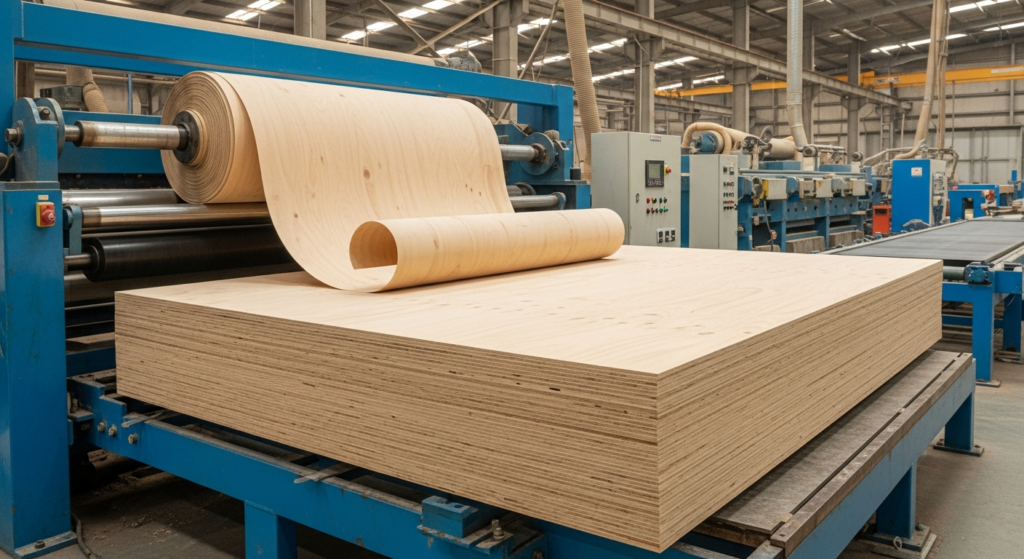
Precision production reduces surface irregularities, minimizes core voids, and ensures predictable paint absorption and finish quality.
Production Controls That Improve Paint Results
| Production Control | Impact on Painted Finish |
|---|---|
| Veneer grading | Fewer defects to fill before painting |
| Moisture balance control | Less movement or warping post‑installation |
| Calibration sanding | Uniform panel thickness and surface smoothness |
| Quality inspection | Reduced field rework |
High‑quality panel production allows surface finishes to last longer under use and reduces issues like paint cracking or peeling.
Conclusion: Best Practice for Painting Plywood
Painting plywood straight out of the box is technically possible only when panels have smooth, factory‑applied surfaces designed for finishing. In most cases, raw plywood requires preparation—cleaning, sanding, priming—to achieve a consistent and durable finish.
Surface characteristics intrinsic to plywood, such as veneer variation, porosity differences, and grain direction, influence how paint adheres and looks over time. Controlled factory processing improves the consistency of the surface, but field preparation remains a key step for long‑term performance.
Using a high‑quality primer or sealer, selecting appropriate paint systems, and following proper application techniques ensures a stable, attractive finish that resists peeling, blotches, and early wear. With such preparation, plywood panels perform reliably in interior decorative panels, cabinetry, furniture, and architectural millwork where finish quality matters. Proper detailing and paint specification can extend service life and maintain appearance in demanding conditions.